Author: admin

  • Tultex 400 Sport Pique Polo: Wholesale Embroidery and Team Uniform Guide

    Tultex 400 Sport Pique Polo: Wholesale Embroidery and Team Uniform Guide

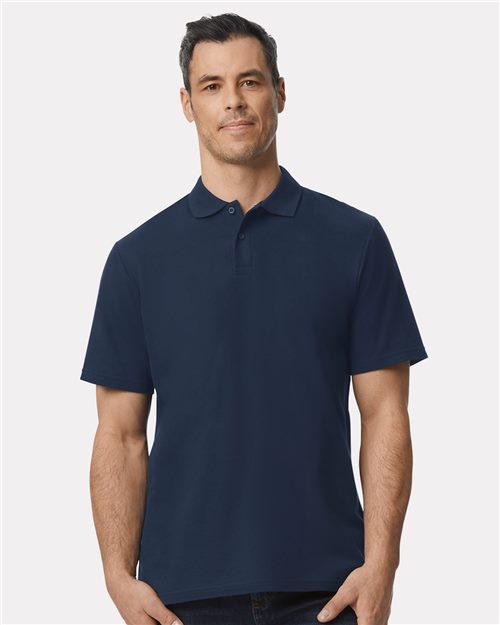
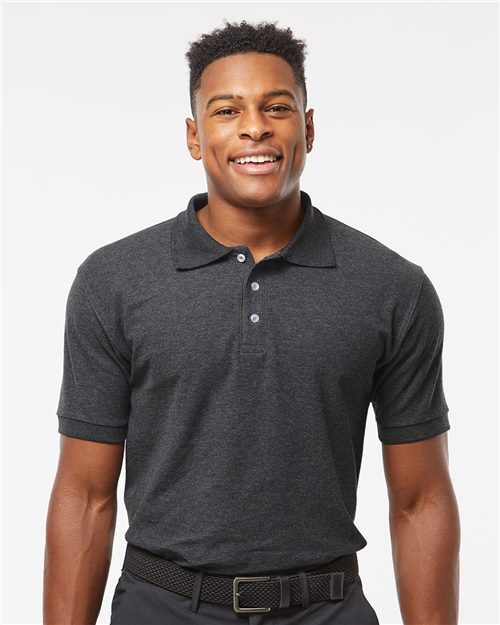
    The Tultex 400 wholesale polo is built for buyers who want a substantial, traditionally textured uniform blank with a straightforward 50/50 cotton-polyester construction. At 6.7 oz./yd², this sport pique polo is heavier than many fashion-oriented polos, while its contoured welt collar and cuffs, three-button placket, banded sleeves, and double-needle bottom hem create a familiar team and workplace presentation.

    The live Tultex 400 Men’s 50/50 Sport Pique Polo record lists seven catalog colors, sizes S through 2XL, a tear-away label, USMCA certification, OEKO-TEX Standard 100 qualification, and production in a facility holding SMETA audit certification. The style is relevant for school staff, clubs, service businesses, restaurant teams, events, and branded merchandise, provided the exact decoration is tested.

    Tultex 400 specifications at a glance

    Feature Published Tultex 400 specification Why it matters
    Fabric weight 6.7 oz./yd² Creates a substantial uniform hand and a stable starting point for decoration testing
    Fiber content 50% USA premium cotton, 50% polyester Balances cotton character with polyester performance considerations
    Knit Pique textured knit Provides the traditional polo surface that distinguishes it from jersey styles
    Collar and cuffs Contoured welt collar and cuffs Supports a structured, coordinated uniform appearance
    Placket Three-button placket Gives the garment a classic sport-polo front and defines decoration boundaries
    Sleeves Banded sleeves Adds a finished sleeve edge and a more conventional uniform silhouette
    Hem Double-needle bottom hem Provides a reinforced finish at a frequently stressed garment edge
    Label Tear-away label Can simplify private-label programs when required garment information is handled correctly
    Current Beytees catalog range Seven listed colors; S through 2XL Supports controlled team palettes and a focused adult size run

    The color and size range above reflects the options attached to the live Beytees product record on August 26, 2026. Catalog options are not a promise that every size-color combination is available at a particular moment. Confirm live inventory before approving a deadline, substitution policy, or color-critical reorder.

    What does a 6.7 oz 50/50 pique polo feel like?

    The 6.7 oz./yd² weight gives the Tultex 400 a more substantial starting point than a lightweight retail polo. Pique adds visible texture, while the equal cotton-polyester blend differs from all-cotton casual styles and high-polyester athletic polos. A physical sample remains essential.

    A substantial polo may suit front desks, school staff, clubs, and service programs that value structure, while an outdoor crew may prefer a lighter performance fabric. Assess comfort in the real climate, with required layers, and through a normal work period.

    Pique texture is also visual. It can make a small embroidered crest look at home on a classic uniform, but it creates a different surface for transfers and screen printing than smooth jersey. Our pique versus jersey polo comparison explains how texture affects presentation, artwork, sampling, and production choices.

    Is the Tultex 400 good for embroidery?

    The Tultex 400 is a logical embroidery candidate for left-chest logos, employee names, school marks, club crests, and compact sponsor graphics. Its 6.7 oz pique gives a substantial foundation, but it is still a knit garment. Poor digitizing, excessive stitch density, stretched hooping, inadequate backing, or an unsuitable needle can produce puckering, registration problems, distorted lettering, or an uncomfortable inside surface.

    Digitize for the final logo size and actual pique texture. Fine lettering may need thicker strokes, wider counters, fewer tiny details, or a larger width. Excessive density can make the chest rigid and pull the knit. Approve the file, stabilizer, needle, thread, tension, hooping, and machine speed as one system.

    Embroidery sample checklist

    1. Use the exact Tultex 400 color and a representative production size.
    2. Confirm the final logo dimensions and placement from the placket, shoulder seam, and center front.
    3. Digitize for pique rather than reusing an untested file created for a cap, woven jacket, or smooth tee.
    4. Select backing and needle components for the garment and the design’s real stitch count.
    5. Hoop or float consistently without stretching the polo out of shape.
    6. Run the sample at production speed and inspect small text, outlines, edges, registration, and fabric distortion.
    7. Finish the backing as planned, then check the inside for wearer comfort.
    8. Launder the sample and inspect puckering, thread appearance, collar shape, and placement again.

    For programs comparing several styles, review the wholesale blank polo guide for corporate embroidery. It provides a wider framework for choosing among traditional pique, jersey, performance, and retail-oriented polos.

    Can you use DTF transfers on the Tultex 400?

    DTF can be tested on the Tultex 400, but 50% polyester and textured pique require controlled approval. Watch for dye migration, scorching, shine, dimensional change, press marks, visible texture, and incomplete transfer contact.

    Do not copy a universal press recipe from a blog. Use the transfer supplier’s current instructions, calibrate the press, keep the decoration zone level, and prevent the placket or seams from changing pressure. Validate any pressing pillow or alternate platen.

    DTF approval sequence for pique polos

    1. Record the exact Tultex 400 color, size, and transfer batch used in the test.
    2. Apply the production artwork at its final dimensions, not a reduced convenience sample.
    3. Follow the transfer supplier’s current application and peel directions.
    4. Inspect the knit valleys and artwork edges for incomplete contact or lifting.
    5. Check immediately for shine, scorching, platen marks, texture flattening, and garment distortion.
    6. Inspect again after full cooling for migration or a delayed color shift.
    7. Launder the test garment according to the intended care plan.
    8. Check adhesion, cracking, edge lift, surface feel, color, and knit recovery after washing.
    9. Keep the approved garment and production notes as the reorder standard.

    Large solid transfers may feel stiff even when adhesion succeeds. Compact marks or artwork with negative space can preserve more of the natural hand; decide from a full-size sample.

    Screen printing the Tultex 400

    Screen printing can suit event teams, school programs, back graphics, and larger orders. The system must account for pique and 50% polyester. Mesh, ink, underbase, flash strategy, cure window, pressure, and artwork detail affect the result. A White approval does not prove a dark or heather color.

    Keep the print clear of the raised placket unless the setup is engineered for it. Fine detail can break across the texture, while heavy coverage changes the hand. Judge a production-size sample and use the wholesale screen-printing blank guide for broader controls.

    Color strategy for teams and uniform programs

    The current Beytees record lists Black, Heather Charcoal, Heather Light Blue, Heather Navy, Heather Red, Navy, and White. This focused assortment covers common business neutrals, school and team directions, and several heather options. A narrow palette can simplify program management, but it also makes early color approval important.

    A color name is not a physical standard. Review the garment under its real lighting and beside approved uniform pieces. Heather yarns vary visually, and a logo color may appear different against Black than against Heather Charcoal.

    Test heat-applied and screen-printed decoration on each approved dark or heather shade. Keep a physical color approval and authorize a backup before inventory pressure causes an unapproved substitution.

    Size planning: know the S–2XL boundary

    The live Tultex 400 catalog currently lists S, M, L, XL, and 2XL. That range can support many adult team programs, but it is a controlled range rather than an extended-size solution. Before presenting this polo as the program standard, compare the needed roster with the actual size offering. A team that requires sizes above 2XL needs an approved companion style or a different primary polo.

    Do not infer fit from “Men’s,” “sport,” or the size label alone. Order a try-on set, publish a fitting deadline, and record each wearer’s approved size. If the team is remote, share current garment measurements and explain how they were taken. Finished-garment measurements are not the same as body measurements, and a familiar label from another brand does not guarantee the same fit.

    If broader size coverage is essential, compare the Tultex 400 with the Gildan 64800 Softstyle pique polo guide and the Gildan 8800 jersey polo guide. Those styles offer different fabric, surface, weight, color, and sizing tradeoffs. The right blank is the one that satisfies the complete roster and finished-product requirements, not simply the closest price.

    Tultex 400 vs lighter pique and jersey polos

    Buyer priority Tultex 400 direction Alternative direction to test
    Traditional texture and substantial hand 6.7 oz 50/50 pique is the clearest match A lighter pique if the team wants less weight
    Flatter print surface Possible with testing, but the pique remains visible A jersey polo such as the Gildan 8800
    Compact embroidered crest Strong use case after digitizing and wash approval Compare lighter pique if wearer comfort takes priority
    Sizes above 2XL Current catalog boundary does not cover the need Select a style with verified extended-size coverage
    Broad fashion-color assortment Focused seven-color catalog Choose a program with more approved color paths
    Athletic heat and fast-drying emphasis Evaluate the 50/50 blend in a wear test Test a performance-oriented polo in the real environment

    These are selection directions, not universal winners. A school office, restaurant host team, landscaping crew, bowling league, and conference staff may reach different conclusions. Sample the finalists with the actual decoration and have representative wearers approve the result.

    Building a repeatable team uniform program

    Team orders fail when the blank is approved but the system is not. A complete program defines who collects sizes, who approves artwork, how new employees are added, when inventory is checked, what happens if a color is unavailable, and whether personalized garments can be returned. For schools and clubs, the process may also need separate staff, student, sponsor, and fundraising quantities.

    Use one roster with the wearer name, approved size, garment color, decoration version, personalization, quantity, and delivery location. Freeze it at a stated deadline and require one authorized approver for later changes. Our school and team bulk-ordering guide provides a broader framework for rosters, samples, approvals, deadlines, and reorder planning.

    For recurring uniforms, retain the decorated sample and the specification record. “Same polo as last time” is not enough. The request should identify Tultex 400, garment color, sizes, artwork revision, dimensions, placement, thread or transfer details, pack-out, and the approved substitution rule.

    Private labeling and the tear-away label

    The Tultex 400’s published tear-away label can support a cleaner branded presentation, but removing a label does not eliminate legal or commercial labeling responsibilities. The reseller remains responsible for any required fiber-content, country-of-origin, care, identity, tracking, or other information that applies to the finished product and destination.

    Test the removal process on a sample. Confirm that the label separates cleanly without opening the seam, leaving an uncomfortable edge, or damaging the collar area. Then approve the replacement-label position and attachment method. The tear-away label guide for private-label brands explains why the garment, replacement label, decoration, and pack-out should be approved together.

    How to quote the Tultex 400 profitably

    A wholesale quote should include more than the blank cost. Account for extended-size or color pricing, artwork cleanup, digitizing, stitch count, thread changes, transfer or ink cost, samples, spoilage, name personalization, folding, individual bagging, relabeling, freight, deadline risk, and replacement units. If the order mixes decoration methods, calculate each path separately.

    Lock these fields before purchasing:

    • Exact blank: Tultex 400 Men’s 50/50 Sport Pique Polo
    • Approved garment color and authorized backup
    • Roster and size quantities within the verified S–2XL range
    • Decoration method, artwork revision, final dimensions, and placement
    • Thread, ink, or transfer color references
    • Sample approval date and approving contact
    • Personalization, label, folding, bagging, and delivery requirements
    • Inventory reservation or purchase deadline
    • Reorder, shortage, substitution, and replacement policy

    For programs that reorder throughout the year, use the controls in the custom apparel inventory management guide. Documented minimums, reorder points, approved alternatives, and sample retention reduce emergency decisions.

    Final verdict

    The Tultex 400 is a strong wholesale candidate when a team wants a substantial 6.7 oz pique polo, a simple 50/50 cotton-polyester blend, traditional collar and cuff details, a three-button placket, a tear-away label, and a focused core-color assortment. It is especially relevant for compact embroidery, school and club marks, workplace logos, and repeat uniform programs that fit within the current S–2XL catalog range.

    Its main decision points are equally clear. Pique texture changes how transfers and screen prints look, 50% polyester requires migration and heat testing, and the size range needs to be checked against the complete roster. Approve the exact production color, decoration, and wash result before ordering at scale.

    Visit the live Tultex 400 wholesale product page to review current options. Then compare live inventory with the roster, test the finished decoration, and keep the approved garment as the standard for future orders.

    Frequently asked questions

    What is the Tultex 400 made of?

    The published specification lists a 6.7 oz./yd² pique knit made from 50% USA premium cotton and 50% polyester.

    Is the Tultex 400 a heavy polo?

    At 6.7 oz./yd², it has a substantial traditional-polo weight compared with many lightweight retail styles. A wear test is the best way to judge whether that weight suits the team’s climate and work environment.

    Is the Tultex 400 good for embroidery?

    It is a logical embroidery candidate for left-chest logos, names, and compact team marks. The file still needs to be digitized for pique, tested at the final size, and inspected after laundering.

    Can the Tultex 400 be decorated with DTF?

    DTF can be tested on the style, but the pique texture and 50% polyester content require exact-color sampling for adhesion, texture, shine, press marks, and dye migration. Follow the transfer supplier’s current instructions rather than a universal recipe.

    Can you screen print the Tultex 400?

    Yes, screen printing can be evaluated for chest, sleeve, and back artwork. The ink system, underbase, cure window, and artwork should be tested on the actual color because both pique texture and polyester content affect the result.

    What sizes does Beytees currently list for the Tultex 400?

    The live catalog record lists S, M, L, XL, and 2XL. Verify current inventory by color before committing to the roster or deadline.

    What colors does Beytees currently list?

    The current catalog lists Black, Heather Charcoal, Heather Light Blue, Heather Navy, Heather Red, Navy, and White. Catalog listing does not guarantee that every size-color combination is in stock.

    Does the Tultex 400 have a tear-away label?

    Yes. The published record lists a tear-away label. Private-label sellers must still handle any labeling information required for the finished garment and sales destination.

    Is the Tultex 400 better for teams than a jersey polo?

    It depends on the approved look and use. The Tultex 400 offers traditional pique texture and a substantial hand; jersey provides a flatter surface and different drape. Test both with the actual decoration and representative wearers.

    What should be approved before a bulk Tultex 400 order?

    Approve the exact color, roster, sizes, artwork revision, decoration method, placement, physical sample, wash result, pack-out, deadline, and substitution policy. Recheck live inventory before purchasing.
  • Gildan 8800 DryBlend Jersey Polo: Wholesale DTF, Embroidery, and Uniform Guide

    Gildan 8800 DryBlend Jersey Polo: Wholesale DTF, Embroidery, and Uniform Guide

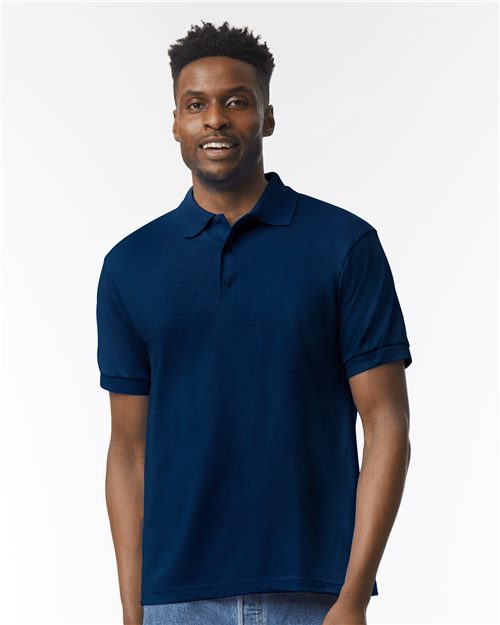
    The Gildan 8800 wholesale polo is a practical choice for businesses that need a familiar uniform silhouette without the heavier texture of a traditional pique knit. It combines a 6 oz./yd² cotton-polyester jersey with moisture-wicking DryBlend positioning, a classic fit, a clean button placket, and a tear-away label. That combination makes it relevant for staff uniforms, school programs, service crews, event teams, branded merchandise, and other repeat-order apparel programs.

    The live Gildan 8800 Unisex DryBlend Jersey Polo specification lists a 52% ring-spun cotton and 48% polyester knit at 20 singles. It also lists a contoured welt collar and cuffs, dyed-to-match buttons, and a clean-finished placket. These details give decorators several workable branding paths, including left-chest embroidery, tested DTF transfers, and screen printing.

    Gildan 8800 specifications at a glance

    Feature Published Gildan 8800 specification Why it matters
    Fabric weight 6 oz./yd² in the U.S. specification A midweight polo that can balance everyday wear with a more substantial hand than a lightweight tee
    Fiber content 52% ring-spun cotton, 48% polyester knit Combines cotton hand feel with a substantial polyester component that requires decoration testing
    Yarn 20 singles Helps describe the fabric construction, but should not replace a physical sample assessment
    Fabric family DryBlend moisture-wicking cotton-poly blend Useful for uniforms, teams, events, and active work environments
    Fit Classic fit Supports a familiar uniform profile and broad group programs
    Collar and cuffs Contoured welt collar and cuffs Creates a traditional polo finish and defines the available decoration area
    Placket Clean-finished placket with dyed-to-match buttons Keeps the front presentation coordinated and professional
    Label Tear-away label Can support custom branding when legal garment-label requirements are handled correctly
    Current Beytees catalog range 19 listed colors; S through 5XL Offers core business, school, team, and promotional shades with an extended-size path

    The catalog range above reflects the options attached to the live Beytees product record on August 25, 2026. A listed size or color is not a promise that every combination is in stock at a particular moment. Verify live availability before committing to a deadline or color-critical reorder.

    What makes the Gildan 8800 different from a pique polo?

    The word “polo” describes the garment format, not one universal fabric. The Gildan 8800 uses a jersey knit, while many traditional uniform polos use pique. Jersey generally presents a flatter, smoother face and a softer drape. Pique has a more visible texture and often creates a more structured, traditional uniform appearance.

    That distinction affects decoration and merchandising. A flatter jersey face can be a convenient starting surface for DTF and screen-printed graphics, provided the exact garment color and 48% polyester content pass testing. Pique texture can complement embroidery, but the peaks and valleys can make larger transfers or fine printed details more challenging. The best option depends on the finished look, not on a claim that one knit is universally superior.

    If the buyer is undecided, compare the 8800 with the Gildan 64800 Softstyle Pique Polo. Our detailed pique versus jersey polo comparison explains the tradeoffs in structure, print surface, embroidery, comfort, and uniform presentation.

    Fabric, hand feel, and moisture management

    The 8800’s published 52/48 cotton-polyester blend is close to balanced, but the cotton side is slightly higher. Ring-spun cotton can contribute a comfortable hand, while polyester supports the DryBlend moisture-wicking positioning. For teams and workplaces, that can be more useful than choosing a blank solely because it feels soft on a hanger.

    Moisture-wicking does not mean waterproof, stain-proof, cooling in every environment, or immune to odor. It describes how the fabric is designed to move moisture. The actual wearer experience will also depend on climate, garment color, fit, physical activity, laundering, and what is worn underneath. A warehouse team in Texas, a restaurant host, and a trade-show staff member may all evaluate the same polo differently.

    Use a sample group before placing a large uniform order. Ask testers to wear the polo through a normal shift, wash it according to the intended care instructions, and report on collar shape, sleeve comfort, heat perception, drape, and overall fit. That field test turns a published fabric description into evidence for your specific program.

    Fit and uniform presentation

    Gildan describes the 8800 as a classic fit. For group ordering, that familiar shape can simplify adoption because it does not depend on a fashion-slim or intentionally oversized silhouette. It can work across office support teams, delivery crews, volunteer groups, school staff, customer-facing service teams, and event personnel.

    Do not build the size curve from the word “classic” alone. Order a try-on set in representative sizes, publish a fitting deadline, and record each wearer’s approved size. For remote staff or distributed teams, provide current garment measurements and explain how those measurements were taken. A body-size label and a finished-garment measurement are not interchangeable.

    The live Beytees catalog currently lists S, M, L, XL, 2XL, 3XL, 4XL, and 5XL. Extended sizing can help keep a team in one style, but stock depth can vary by color. If an inclusive size run is non-negotiable, check every needed size before the customer approves the color. Also document an alternate shade or substitute style before an urgent reorder exposes a gap.

    Color planning for uniforms, teams, and merch

    The current product record lists 19 catalog colors: Ash, Black, Carolina Blue, Dark Heather, Forest Green, Gold, Graphite Heather, Kelly Green, Light Blue, Maroon, Navy, Orange, Purple, Red, Royal, Sand, Sapphire, Sport Grey, and White. That range covers common corporate neutrals, school colors, team shades, safety-adjacent bright colors, and several heather options.

    A digital swatch is not a color standard. Review a physical garment under the lighting where it will be worn and next to any existing uniform pieces. If the program requires a close match to a logo, vehicle wrap, cap, apron, or jacket, approve those pieces together. Different fiber blends and knit structures can make the same color name appear different across garments.

    Heather and dark colors deserve separate decoration tests. Polyester content can contribute to dye migration under heat, and a transfer that looks correct immediately after pressing can shift after cooling. White and very light colors can also reveal show-through or platen marks that are less visible on a sample mockup. Approve the exact style, color, decoration method, and artwork as one production combination.

    Is the Gildan 8800 good for embroidery?

    Yes, the 8800 can support embroidery, especially for conventional left-chest logos, names, and simple uniform marks. Its 6 oz./yd² fabric gives a useful starting point, but jersey is still a knit that can stretch, distort, or pucker when the design, needle, thread, tension, hooping, and stabilizer are not matched correctly.

    Start with a digitized file designed for the final size. A detailed logo reduced to a small chest mark may need simplified lettering, wider gaps, fewer fine outlines, and a different stitch path. More stitches do not automatically create a more premium result. Excessive density can make the logo stiff, pull the fabric, and create rippling around the design.

    Embroidery sample checklist

    1. Use the exact production color and size, not a leftover shirt with a different fabric behavior.
    2. Confirm the final logo width, height, thread colors, and placement from the placket and shoulder seam.
    3. Select the backing and needle for the actual jersey knit and design density.
    4. Hoop or float consistently without stretching the polo out of shape.
    5. Run a full sample at production speed and inspect outlines, small lettering, registration, and fabric distortion.
    6. Remove or finish backing according to the approved process, then inspect the inside for wearer comfort.
    7. Launder the sample and check puckering, thread appearance, collar shape, and logo position again.

    For a broader assortment strategy, see our wholesale blank polo guide for corporate embroidery. It can help when the customer is comparing jersey, pique, performance, and fashion-oriented options.

    Is the Gildan 8800 good for DTF printing?

    The 8800 can be a useful DTF polo when the transfer system and exact garment color are tested together. Jersey provides a flatter surface than many pique knits, which can help a transfer sit evenly. The main caution is the fabric’s 48% polyester content. Heat can create color migration, scorching, shine, press marks, or dimensional change, particularly on sensitive dark and heather shades.

    Do not copy a single time, temperature, pressure, peel, or repress setting from an article. Use the current instructions from the transfer supplier for the specific film, adhesive powder, ink system, and garment type. Calibrate the press, account for seams and the placket, and keep the decoration area level. A pressing pillow or platen setup can help manage construction differences, but it must not create uneven pressure under the artwork.

    Practical DTF approval sequence

    1. Record the exact Gildan 8800 color and garment size used for the test.
    2. Use the production artwork at its final dimensions.
    3. Follow the transfer manufacturer’s current application and peel instructions.
    4. Keep the placket, collar, sleeve seam, and side seam from disrupting pressure.
    5. Inspect the garment immediately after pressing for shine, scorching, marks, and edge lift.
    6. Inspect it again after full cooling for dye migration or color change.
    7. Launder the sample according to the customer care plan and check adhesion, cracking, stretch, and color.
    8. Save the approved garment, transfer batch information, and press record for reorders.

    For more selection controls, review our guide to wholesale blanks for DTF printing. The same principles for blend verification, migration testing, and production sampling apply to polos even though construction and placement differ.

    Screen printing the Gildan 8800

    The jersey surface can also support screen printing for staff apparel, event graphics, sleeve marks, and promotional designs. The mesh, ink, underbase, cure window, and additive strategy must account for the cotton-polyester blend and garment color. Keep the print clear of the raised placket unless the setup is engineered for that location, and do not reuse a White approval on a dye-sensitive dark or heather shade without testing. Our wholesale screen-printing blank guide covers broader fabric and artwork considerations.

    When another polo may be better

    Choose a different blank if the buyer wants a clearly textured, structured pique presentation. The Gildan 64800 is the logical same-brand comparison. A performance-focused synthetic polo may be a better starting point when fast-drying athletic use matters more than a cotton-rich hand. A fashion polo may be more appropriate when the buyer prioritizes a retail silhouette, premium trim, or a lighter drape.

    The decoration can also decide the blank. An extremely dense embroidered crest, oversized transfer, specialty ink, or demanding color-match requirement may perform better on a different fabric or construction. Presenting an alternative is not a failure to sell the 8800. It is evidence that the garment is being selected for the finished product rather than for a familiar style number.

    Wholesale ordering and quoting controls

    A profitable polo program requires more than a low blank cost. The quote should account for extended-size upcharges, artwork cleanup, digitizing, embroidery stitch count, thread changes, transfer or ink cost, samples, spoilage, folding, individual bagging, name personalization, freight, and deadline risk.

    Lock the following fields before ordering:

    • Exact style name and number: Gildan 8800
    • Approved garment color and backup color
    • Size quantities, including extended sizes
    • Decoration method, artwork revision, and final dimensions
    • Thread, ink, or transfer color references
    • Placement measurements and tolerance
    • Sample approval date and approving contact
    • Pack-out, labeling, personalization, and shipping requirements
    • Inventory reservation or purchase deadline
    • Reorder and substitution policy

    For recurring programs, keep the approved sample and production record. A customer saying “same polo as last time” is not enough protection against a different shade, revised logo, alternate transfer batch, or new size mix. Our custom apparel inventory management guide explains how documented blanks, reorder points, and alternate products reduce emergency substitutions.

    Final verdict

    The Gildan 8800 is a strong wholesale candidate when a program needs a classic jersey polo, a cotton-rich 52/48 DryBlend fabric, core uniform colors, extended sizing through 5XL, and several decoration options. Its flatter jersey surface distinguishes it from a traditional pique polo, while the contoured collar, cuffs, and clean placket maintain a recognizable uniform appearance.

    Its best results come from disciplined sampling. Polyester content matters for heat-applied and screen-printed designs, while jersey stretch and logo density matter for embroidery. Test the production color, approve the finished sample after laundering, and quote from live inventory rather than from a generic specification.

    Browse the live Gildan 8800 wholesale product page to review current options. If you are still choosing between polo constructions, compare it with the Gildan 64800 pique polo guide before approving the program.

    Frequently asked questions

    What is the Gildan 8800 made of?

    The published Gildan 8800 specification lists a 6 oz./yd², 20-singles knit made from 52% ring-spun cotton and 48% polyester. Gildan positions the DryBlend fabric as moisture-wicking.

    Is the Gildan 8800 a jersey or pique polo?

    It is a jersey polo. Jersey generally has a flatter, smoother face and softer drape than textured pique. Buyers who want a more traditional textured polo should compare it with a pique style such as the Gildan 64800.

    Is the Gildan 8800 good for uniforms?

    Yes. Its classic fit, contoured collar and cuffs, coordinated buttons, broad catalog colors, and S through 5XL size range make it a practical candidate for staff, school, team, event, and service uniforms. Always verify current size-color availability.

    Can the Gildan 8800 be embroidered?

    Yes. It can support left-chest logos, names, and other tested embroidery. The digitizing, stitch density, backing, needle, tension, hooping, and placement must be matched to the jersey knit to control puckering and distortion.

    Can the Gildan 8800 be used for DTF printing?

    Yes, after testing. Its jersey face offers a relatively flat transfer surface, but the 48% polyester content can create heat sensitivity or dye-migration risk on some colors. Follow the transfer supplier’s instructions and approve the exact garment color after cooling and laundering.

    Can the Gildan 8800 be screen printed?

    Yes. Screen-print the exact production color with an ink and cure strategy appropriate for the cotton-polyester blend. Dark, heather, and dye-sensitive colors should receive separate migration and cure testing.

    Does the Gildan 8800 have a tear-away label?

    Yes, the published product specification lists a tear-away label. Businesses adding custom branding must still preserve or replace all legally required fiber, care, origin, and business-identification information.

    What sizes does the Gildan 8800 come in?

    The live Beytees catalog listed S, M, L, XL, 2XL, 3XL, 4XL, and 5XL on August 25, 2026. A catalog size does not guarantee availability in every color, so check stock before quoting.

    How many colors are available?

    The live Beytees product record listed 19 color terms on August 25, 2026. The assortment includes core neutrals, school and team colors, heathers, and several bright shades. Options can change over time.

    What is the difference between the Gildan 8800 and 64800?

    The key construction difference is jersey versus pique. The 8800 is a 6 oz./yd² 52/48 cotton-polyester jersey polo. The 64800 is a Softstyle pique polo with a more visibly textured fabric. Compare physical samples, decoration tests, fit, colors, and live availability.

  • Gildan 3000 vs Gildan 64000: Light Cotton vs Softstyle for DTF and Screen Printing

    Gildan 3000 vs Gildan 64000: Light Cotton vs Softstyle for DTF and Screen Printing

    Choosing between the Gildan 3000 and Gildan 64000 is less about finding one universally better shirt and more about matching the blank to the customer, artwork, color plan, and reorder strategy. Both are lightweight, modern-classic unisex tees built for decoration. Their published weights are almost identical. The meaningful differences are the cotton story, blend map, catalog breadth, size ceiling, and the way each style fits into a wholesale apparel program.

    The Gildan 3000 Unisex Light Cotton T-Shirt is a 4.45 oz./yd², 30-singles style made with 100% U.S. cotton in its solid cotton colors. Gildan describes its Light Cotton family as remastered for improved printability, quality, and comfort. The Gildan 64000 Unisex Softstyle T-Shirt is a 4.5 oz./yd², 30-singles style whose solid cotton colors use ring-spun cotton. Gildan specifically highlights the 64000’s high stitch density and smooth printing surface.

    That 0.05 oz./yd² published weight difference is too small to make weight alone a useful buying rule. The better decision comes from your required colors, extended-size needs, decoration testing, and the type of finished product you want to sell. This guide breaks those factors down without pretending that one heat-press recipe or ink setup works across every color, transfer, press, and production room.

    Gildan 3000 vs Gildan 64000 at a glance

    Decision factor Gildan 3000 Light Cotton Gildan 64000 Softstyle
    Published fabric weight 4.45 oz./yd² 4.5 oz./yd²
    Published yarn 30 singles 30 singles
    Solid-color cotton story 100% U.S. cotton 100% ring-spun cotton
    Fit Modern classic fit Modern classic fit
    Collar and shoulder construction Narrow-width rib collar; taped neck and shoulders Narrow-width rib collar; taped neck and shoulders
    Label High-performing recycled tearaway label Tear-away label
    Current Beytees catalog colors 47 listed colors 72 listed colors
    Current Beytees catalog sizes XS through 6XL XS through 5XL
    Best starting use case Lightweight cotton programs that value U.S.-cotton positioning and a 6XL option Programs that prioritize a ring-spun hand, broad color merchandising, and an established smooth print surface

    Catalog colors and sizes describe the options attached to the live Beytees product records on August 24, 2026. They are not a promise that every size-color combination is in stock at a particular moment. Check the product page before quoting a deadline or accepting a color-critical reorder.

    The weight difference is not the real difference

    Buyers often treat style comparisons as a weight contest. Here, the published numbers are 4.45 oz./yd² for the 3000 and 4.5 oz./yd² for the 64000. A difference of five-hundredths of an ounce per square yard should not drive a production program by itself. Both belong in the lightweight everyday-tee category, especially when compared with 6.0- to 6.1-ounce heavyweight blanks.

    If your client asks for a noticeably heavier shirt, neither style becomes heavyweight simply because one number is slightly larger. Start with our blank T-shirt weight guide and confirm whether the customer actually wants a denser hand, a more structured silhouette, better opacity, or simply a premium-feeling finished garment. Those needs can point to different blanks.

    For the 3000 versus 64000 decision, focus on the fabric specification, shade family, size run, and physical samples. A sample tells you how the shirt drapes, how a selected color looks under your lighting, how the collar sits after laundering, and how your actual decoration behaves. A decimal on a spec sheet cannot answer all four questions.

    Fabric and blend differences

    Gildan 3000 Light Cotton fabric map

    The 3000’s solid cotton specification is 100% U.S. cotton at 30 singles. Its published exceptions matter when you decorate blended colors:

    • Ash Grey is 99% cotton and 1% polyester.
    • Sport Grey is 90% cotton and 10% black polyester.
    • Dark Heather, Graphite Heather, and Heather Safety colors are 50% cotton and 50% polyester.

    The live product record also notes that Natural is not a dyed fabric, so visible specks can be fibers and cotton seeds rather than a defect. That detail is important for customer expectations. If a buyer expects a perfectly uniform cream surface, show a physical sample before approving the run.

    Gildan 64000 Softstyle fabric map

    The 64000’s solid cotton specification is 100% ring-spun cotton at 30 singles. Its published blend exceptions are different:

    • Antique colors and Sport Grey are 90% cotton and 10% polyester.
    • Dark Heather and Heather colors are 65% polyester and 35% cotton.
    • Graphite Heather is 50% cotton and 50% polyester.

    This means “Gildan 64000” is not one universal fabric recipe across all 72 catalog colors. A solid White 64000 and a heathered 64000 can react differently to heat, moisture, ink, pretreatment, and dye migration. The same principle applies to the 3000. Build your decoration test around the exact style, color, size, and artwork combination you plan to sell.

    Hand feel, print surface, and customer positioning

    The 64000 has the clearest product-page language for a soft retail-oriented story. Gildan describes its high stitch density, soft ring-spun cotton, and cotton-blend fabric as offering a smooth printing surface. For merch, creator brands, event retail, and customer programs where “soft” is part of the sales pitch, Softstyle is easy for buyers and sales teams to understand.

    The 3000 approaches the lightweight category through Gildan’s newer Light Cotton platform. The product copy emphasizes 100% U.S. cotton in solid cotton colors and a remastered fabric intended to improve printability, quality, and comfort. That can suit value-conscious programs that still need a current, modern-classic blank rather than a coarse promotional tee. It also gives sellers a specific U.S.-cotton sourcing statement they can accurately repeat for applicable colors.

    Do not turn either description into an unsupported universal claim. “Ring-spun” does not guarantee that every customer will prefer the 64000, and “Light Cotton” does not mean the 3000 is fragile. Order both in the target color, decorate them with the same artwork, launder them using the care instructions you will provide, and let the finished samples settle the subjective part of the decision.

    Fit and construction

    Both live product descriptions list a modern classic fit, a narrow-width rib collar, and taped neck and shoulders. Those shared construction details make the comparison closer than the branding might suggest. Neither should be sold as an oversized streetwear blank without testing the intended size-up strategy, and neither should be described as a fashion-slim fit based on the style name alone.

    The 3000 uses a high-performing recycled tearaway label; the 64000 uses a tear-away label. Tear-away construction helps decorators who want to add a printed neck label or build a more brand-forward package. It does not remove the need to inspect the remaining seam and confirm that your relabeling process meets legal fiber-content, country-of-origin, care, and business-identity requirements.

    Size samples are especially useful for group programs. A modern classic unisex fit can cover many customers efficiently, but the final size curve should come from the people or audience you serve. Avoid estimating a school, company, or event size breakdown from intuition alone. Use a try-on set, collect sizes before the order cutoff, and reserve a controlled overage for exchanges.

    Color assortment and size range

    At the time of this comparison, the live Beytees catalog lists 47 color terms for the 3000 and 72 for the 64000. That gives the 64000 a clear advantage when a merch program depends on a wide assortment, heather storytelling, fan colors, or coordinated seasonal drops. A broader catalog can also reduce the need to switch styles when a customer adds a new campaign color.

    The 3000 still covers core commercial shades plus fashion and heather options, and it extends through 6XL in the live catalog. The 64000 currently extends through 5XL. If a 6XL option is essential, the 3000 deserves early consideration. If the campaign needs a specific antique, heather, team, or niche color, the 64000 may offer the cleaner assortment path.

    Catalog breadth is only the first filter. Before the client approves a palette, check current stock for every required size. A color that looks strong in a digital swatch can be a poor operational choice if the required size curve is fragmented. For repeat programs, document an approved alternate color and an approved substitute style before an urgent reorder makes the decision for you.

    Which is better for DTF printing?

    Both styles can support DTF programs, but the correct setup must follow the exact blank and transfer system. For solid cotton colors, both shirts give you a lightweight cotton-dominant base. The 64000 adds a ring-spun, high-stitch-density surface that Gildan explicitly positions for smooth printing. The 3000 is likewise marketed for improved printability within the Light Cotton family.

    The biggest DTF variable is often not “3000 or 64000”; it is solid cotton or heather blend. Polyester-rich heather colors can behave differently under heat and can raise dye-migration or scorching concerns. The 64000’s general heather composition is 65% polyester and 35% cotton, while several 3000 heather and safety colors are 50/50. Those are meaningful differences. Run a decorated sample on the exact color, allow the print to cool as required by the transfer supplier, complete any required second press, then inspect it again after curing and laundering.

    Use the transfer manufacturer’s current time, temperature, pressure, peel, and repress instructions as your starting point. Confirm platen accuracy, protect seams from uneven pressure, and avoid copying a universal setting from an article or another shop. Our guide to wholesale blank T-shirts for DTF printing explains the wider selection process.

    Practical DTF test sequence

    1. Choose the exact style, color, and size that will represent production.
    2. Record the garment’s fiber blend instead of assuming all colors match.
    3. Verify the press surface and temperature with appropriate calibration tools.
    4. Use the transfer supplier’s instructions for the specific film, powder, ink, and artwork.
    5. Place the test artwork where seams and collars will not distort pressure.
    6. Inspect color shift, gloss, edge adhesion, stretch response, and visible press marks.
    7. Launder the sample according to the care plan you will give the customer.
    8. Approve the production recipe only after the post-wash result passes.

    Which is better for screen printing?

    The 64000 is the familiar choice when a shop wants a soft ring-spun surface with high stitch density, particularly for detailed retail graphics and soft-hand ink strategies. The 3000 is a compelling lightweight alternative when the U.S.-cotton statement, 6XL size, or Light Cotton program fits the customer better. Both can handle screen-print work when the mesh, ink, cure, underbase, artwork, and garment color are properly matched.

    Again, heathers deserve their own test. Polyester content can affect ink selection, cure strategy, and migration risk. A production approval on a solid Black sample does not automatically approve Dark Heather or a safety shade. Separate test records by style and color family. If a campaign includes multiple fabric blends, plan the screens, ink systems, and quality checks before the first full run.

    For broader blank-selection guidance, see our wholesale screen-printing blank guide. If you are comparing the 64000 with a more traditional, heavier open-end cotton option, our Gildan 5000 versus 64000 comparison addresses that different decision.

    Best use cases for the Gildan 3000

    • Broad unisex programs needing 6XL: the live catalog’s extended size ceiling can simplify inclusivity.
    • Lightweight cotton campaigns: solid cotton colors use 100% U.S. cotton at 30 singles.
    • High-volume decorated basics: the modern classic fit, taped shoulders, narrow collar, and tearaway label support repeatable programs.
    • Programs that want a newer product story: the Light Cotton platform gives sellers a distinct comfort and printability narrative.
    • Core-color uniforms or promotions: when the required palette is already covered, 47 catalog colors may be more than enough.

    Best use cases for the Gildan 64000

    • Retail and merch programs: Softstyle’s ring-spun cotton and smooth-surface positioning are easy to communicate.
    • Color-heavy collections: the live 72-color catalog supports more themed, heather, fan, and seasonal directions.
    • Detailed print programs: Gildan specifically highlights the style’s high stitch density and smooth printing surface.
    • Established repeat orders: many decorators already know the 64000, which can reduce sampling friction when the client has approved it before.
    • Soft-hand brand positioning: the Softstyle name aligns naturally with comfort-focused product copy.

    Wholesale buying and quoting controls

    A strong blank choice can still become an unprofitable job if the quote ignores operational details. Price the whole decorated program, not only the base shirt. Include extended-size upcharges, color-count or transfer costs, sample time, art cleanup, personalization, relabeling, folding, packaging, freight, spoilage allowance, and deadline risk.

    For each quote, lock these fields:

    • Exact style number and product title
    • Approved colors and alternate colors
    • Size curve, including extended-size quantities
    • Decoration method and artwork revision
    • Placement dimensions by garment size group
    • Finished-sample approval date
    • Inventory reservation or purchase deadline
    • Pack-out, labeling, and shipping requirements
    • Reorder substitution policy

    If you are building your first apparel line, our custom apparel business guide covers assortment and inventory planning in more depth.

    A simple decision framework

    Start with the non-negotiable constraint. If the program needs 6XL and the current 64000 catalog stops at 5XL, test the 3000 first. If the program depends on a specific Softstyle heather or fan color unavailable in the 3000 assortment, test the 64000 first. If neither assortment nor size range decides it, order samples in the actual campaign color.

    Decorate both samples with the same artwork and production method. Show the finished garments to the buyer without overselling one. Compare hand feel, drape, opacity, collar appearance, print detail, wash result, and total decorated cost. Then record the approved style, color, and recipe. That small approval process is more reliable than choosing from marketing names alone.

    Final verdict: Gildan 3000 or 64000?

    Choose the Gildan 3000 when your program values the Light Cotton platform, 100% U.S. cotton in applicable solid colors, an available 6XL size, and a focused but substantial color range. It is a practical lightweight blank for uniforms, promotions, team programs, and decorated basics.

    Choose the Gildan 64000 when the ring-spun Softstyle story, broader color catalog, high stitch density, and familiar smooth print surface are the stronger selling points. It is especially attractive for merch and retail programs where softness and color variety help define the finished product.

    For many shops, the correct answer is to stock neither blindly. Keep approved samples, quote from live availability, and assign each customer program its own documented blank. Browse the live Gildan 3000 and Gildan 64000 product pages to compare current options before ordering.

    Frequently asked questions

    Is the Gildan 3000 heavier than the Gildan 64000?

    No. The published 3000 weight is 4.45 oz./yd², while the 64000 is 4.5 oz./yd². The 64000 is nominally 0.05 oz./yd² heavier, but that difference is too small to classify the shirts differently. Both are lightweight tees.

    Is the Gildan 3000 ring-spun cotton?

    The live 3000 product specification says 100% U.S. cotton and 30 singles for applicable solid colors. It does not make the same ring-spun claim shown on the 64000 product record. Use the published specification rather than assuming the yarn process.

    Is the Gildan 64000 always 100% cotton?

    No. Solid cotton colors are listed as 100% ring-spun cotton, but Antique colors, Sport Grey, Dark Heather, other Heather colors, and Graphite Heather use published cotton-polyester blends. Check the exact color before decoration.

    Which style has more colors?

    The live Beytees catalog listed 72 color terms for the 64000 and 47 for the 3000 on August 24, 2026. Catalog options can change, and a listed color does not guarantee every size is currently available.

    Which style offers the larger size?

    The current Beytees catalog lists the 3000 through 6XL and the 64000 through 5XL. Verify live stock in the required color before promising an extended-size order.

    Which is softer, the Gildan 3000 or 64000?

    The 64000 is explicitly positioned as Softstyle and uses ring-spun cotton in applicable solid colors. The 3000 is positioned as remastered Light Cotton for comfort and printability. Softness is subjective, so compare finished samples in the actual campaign colors.

    Which is better for DTF printing?

    Both can work for DTF. The exact color blend matters as much as the style number. Test the transfer supplier’s recipe on the production color, especially for polyester-rich heathers, then inspect and launder the sample before approval.

    Which is better for screen printing?

    The 64000 has an explicit high-stitch-density, smooth-printing-surface claim, while the 3000 is marketed for improved printability. Either can be effective when the ink, screen, cure, artwork, and fabric color are tested together.

    Do both shirts have tear-away labels?

    Yes. The 3000 lists a high-performing recycled tearaway label, and the 64000 lists a tear-away label. Decorators must still follow applicable labeling rules when relabeling.

    Do both shirts have the same fit?

    Both live descriptions call the fit modern classic and list narrow-width rib collars plus taped necks and shoulders. Always use current samples and size data for customer-facing fit decisions.

    Can one press setting be used for every color?

    Do not assume so. Fiber blends vary by color, and transfer systems vary by manufacturer. Follow the transfer supplier’s instructions, calibrate the press, and test each meaningful style-color family before production.

    Which shirt is best for a new clothing brand?

    The 64000 is a strong candidate when softness and color variety lead the brand story. The 3000 is a strong candidate when the Light Cotton story, U.S.-cotton specification for applicable solids, or 6XL option matters more. Decorated sample testing should make the final decision.

  • Gildan 64800 Softstyle Pique Polo: Wholesale Embroidery and DTF Guide for Uniforms

    Gildan 64800 Softstyle Pique Polo: Wholesale Embroidery and DTF Guide for Uniforms

    The Gildan 64800 is a strong wholesale polo for uniforms when you want a cotton-forward, breathable pique shirt with a modern classic fit, a polished placket, sizes currently listed from S through 4XL, and a surface that can support compact embroidery or carefully tested DTF. This Gildan 64800 wholesale guide explains where the Softstyle Pique Polo fits, how its 5.2 oz. double-pique construction affects decoration, and how to build a repeatable corporate, staff, hospitality, school, team, or event-apparel program around it.

    The main attraction is balance. The 64800 looks more structured than a standard jersey T-shirt, but its 100% ring-spun cotton base fabric is designed to feel softer and more breathable than a stiff traditional uniform polo. The clean finished placket, dyed-to-match buttons, rolled-forward shoulders, side seams, and tear-away label support a refined finished product without forcing every buyer into a heavy performance or workwear fabric.

    Gildan 64800 quick facts

    • Fabric: 5.2 oz./yd², 100% ring-spun cotton, 31 singles; Sport Grey is listed as 90/10 cotton/polyester.
    • Knit: Softstyle double pique for a textured, breathable polo face.
    • Fit: Modern classic fit with rolled-forward shoulders and side seams.
    • Details: Clean finished placket, dyed-to-match buttons, and tear-away label.
    • Current Beytees range: S through 4XL and 13 listed colors; live size-color inventory can change.
    • Best decoration starting point: Compact left-chest embroidery or a controlled DTF design with documented sampling and wash testing.
    • Best use: Corporate uniforms, hospitality teams, front-of-house staff, schools, events, clubs, sales teams, branded merchandise, and organized replacement programs.

    Is the Gildan 64800 a Good Wholesale Uniform Polo?

    Yes. The Gildan 64800 Unisex Softstyle Pique Polo is especially useful when the customer wants the recognizable texture of pique, prefers cotton-forward comfort, and needs a blank that can move between embroidered uniforms and printed promotional apparel. It is not automatically the best polo for every environment. A moisture-management program, an industrial uniform, or a very heavy-duty wash cycle may require a different fabric. For offices, retail teams, hospitality, education, events, sales organizations, clubs, and branded merchandise, however, the 64800 is a practical sample candidate.

    Decision factor How the Gildan 64800 performs What the buyer should verify
    Professional appearance Textured double pique, clean placket, matching buttons, side seams Actual color, collar behavior, and appearance after laundering
    Comfort Ring-spun cotton base fabric and a moderate 5.2 oz. weight Finished decorated sample in the real work environment
    Embroidery Traditional pique presentation works well with compact logos Digitizing, backing, topping, hooping, stitch density, and wash performance
    DTF Cotton-rich face can support heat-applied graphics Texture, pressure marks, hand, edge adhesion, color response, and laundering
    Uniform sizing Current catalog range runs S through 4XL Live stock, employee try-on samples, finished measurements, and tolerance
    Branding Tear-away label can help secondary-branding workflows All applicable fiber, origin, care, tracking, trademark, and consumer-label rules
    Reorders Core uniform colors and a broad adult size run support organized programs Size-color continuity, lot differences, supplier inventory, and replacement stock

    The fastest way to make a poor polo choice is to compare blank price alone. A uniform is worn repeatedly, seen by customers, washed often, and reordered when employees join or garments are damaged. The right decision must include comfort, appearance, decoration quality, size coverage, stock continuity, replacement cost, and the amount of operational work required to keep the program consistent.

    Gildan 64800 Specifications and Construction

    The current Beytees product record lists the 64800 at 5.2 oz./yd² in the United States and 8.7 oz./linear yard in Canada. The primary fabric is 100% ring-spun cotton at 31 singles. Sport Grey is the stated exception at 90% cotton and 10% polyester. That color-specific blend matters for heat decoration, so a recipe tested on Black, Navy, or White should not be assumed to approve Sport Grey.

    The fabric is described as Softstyle double pique. Pique is a textured knit rather than the flatter surface found on a typical jersey tee. The texture gives a polo its familiar business-casual appearance, creates visual depth around embroidery, and helps the shirt read as a uniform even before a logo is added. At the same time, the ring-spun cotton and moderate weight help the 64800 avoid the hard, bulky hand that some buyers associate with older uniform polos.

    Construction details that matter in production

    • Modern classic fit: Intended to provide a current but broadly wearable silhouette. It still requires actual fit approval.
    • Clean finished placket: Helps the front opening present neatly in staff, sales, event, and hospitality environments.
    • Dyed-to-match buttons: Keeps the blank visually coordinated and allows a logo to remain the primary brand element.
    • Rolled-forward shoulders: Changes how the shirt sits on body and should be considered when approving upper-chest or shoulder-adjacent placement.
    • Side seams: Support the intended shape and provide a useful reference during inspection, folding, and placement control.
    • Tear-away label: Can simplify relabeling or secondary neck branding when the finished product remains legally compliant.

    The current product record also identifies the item as made in a facility with OEKO-TEX and Fair Labor Association certifications and states that it contains U.S.-grown BCI cotton. Those statements can be useful for procurement documentation. They should be repeated accurately and narrowly. They do not, by themselves, establish that the garment is organic, recycled, carbon neutral, impact free, or suitable for an environmental claim that is not supported by current documentation.

    Fabric weight is only one part of the buying decision. A 5.2 oz. pique polo does not behave like a 5.2 oz. jersey tee because knit construction, yarn, fit, finishing, collar, placket, and seams change the finished garment. The blank apparel weight guide for print methods explains why weight should be evaluated together with surface and decoration.

    Gildan 64800 Fit, Measurements, and Sizing

    The Beytees catalog currently lists the Gildan 64800 from S through 4XL. That range can cover many adult uniform programs, but the letters alone are not a fit system. Use current finished-garment measurements, distribute try-on samples when possible, and record the approved size for each wearer. A customer who wears a large in another Gildan product, a jersey polo, a dress shirt, or a fashion-fit polo may not choose the same size in the 64800.

    Size Body length Chest width, laid flat
    S 28 in. 20 in.
    M 29 1/2 in. 21 1/2 in.
    L 30 1/2 in. 22 1/2 in.
    XL 31 1/2 in. 23 3/4 in.
    2XL 32 1/2 in. 25 in.
    3XL 33 1/2 in. 26 1/2 in.
    4XL 34 1/2 in. 28 in.

    The current catalog measurement record specifies a plus-or-minus one-inch tolerance for body length and chest width. Treat that as part of the product specification, not as a promise that every shirt will be identical. Decoration placement also needs a reasonable tolerance because garment dimensions, seams, placket alignment, loading, hooping, and production handling can vary.

    For a company-wide rollout, do not order from an employee spreadsheet that contains only usual retail sizes. Set up a fit session with undecorated samples, record selections, and make the size chart available for remote employees. When the program includes different body types or fit preferences, provide a documented alternative rather than forcing everyone into one silhouette. A uniform looks professional when the wearer can move comfortably and the decoration sits correctly on the body.

    Gildan 64800 Colors and Inventory Planning

    At the time this guide was prepared, the live Beytees catalog exposed 13 color names for the Gildan 64800: Black, Charcoal, Cherry Red, Daisy, Forest Green, Light Blue, Navy, Red, Royal, Sand, Sapphire, Sport Grey, and White. This is an assortment count, not a stock promise. A catalog color can exist while a specific size is unavailable, split across warehouses, or temporarily delayed.

    Core uniform programs usually benefit from restraint. Black, Navy, Charcoal, Sport Grey, and White can simplify logo approval and replacement ordering. School, club, and event buyers may prefer Royal, Red, Forest Green, Daisy, Sapphire, or another identity color. Before promising a perfect corporate-color match, compare a physical sample under the lighting in which the team will actually work. A monitor swatch, website image, and printed color name cannot establish an exact textile match.

    How to protect a repeat uniform program

    1. Choose one primary garment color. Every added color creates another logo-contrast decision, inventory lane, photo, approval, and reorder risk.
    2. Map the real size curve. Use employee selections or historical sales instead of buying equal quantities of every size.
    3. Check live size-color inventory before quoting. Recheck before collecting a deadline commitment and immediately before placing the order.
    4. Hold controlled replacement stock. Keep only the sizes justified by hiring, turnover, damage, and issue frequency.
    5. Retain an approved reference. Store one finished sample with the garment color, lot information when available, art file, thread or transfer details, placement, and approval date.
    6. Reapprove meaningful changes. A different blank color, supplier source, fabric lot, transfer lot, thread, digitized file, press, or embroidery setup can justify another test.

    For multi-style school and team programs, use the wholesale blank apparel guide for schools and teams to coordinate size curves, deadlines, art, and replenishment across the wider order.

    Gildan 64800 Embroidery Guide

    The Gildan 64800 is a natural embroidery candidate because pique texture and a compact stitched logo share the visual language of corporate, hospitality, education, club, and team uniforms. Good results still depend on the complete system. The blank cannot correct an over-dense file, poor underlay, unstable hooping, unsuitable backing, wrong needle choice, excessive tension, or a logo that was designed for a billboard instead of a flexible knit shirt.

    Start with embroidery-friendly artwork

    Left-chest logos should be readable at actual size. Simplify very thin lines, tiny counters, small registered marks, narrow gaps, gradients, and long lines of text. If the brand standard contains details that cannot be stitched cleanly at polo scale, create an approved embroidery version rather than allowing the production operator to improvise.

    A compact mark often looks more premium than a large dense badge. Excessive stitch count can pull the pique surface inward, create a stiff patch, distort the side seam or placket, and make the backing noticeable against the wearer. The best test is not a digital stitch simulation. It is the actual logo sewn on the actual size and color, viewed on body and after laundering.

    Digitizing and stabilization

    Digitize for textured knit fabric. Appropriate underlay can create a stable foundation and keep top stitches from disappearing into the pique. A water-soluble topping may help fine elements remain visible on the textured face. A suitable cutaway backing is a common starting point for knit polos because it can support the design after the garment leaves the hoop and goes through repeated washes. The exact topping, backing weight, layers, needle, thread, tension, density, pull compensation, and underlay must be selected by testing the real design.

    Do not copy a recipe from a cap, woven dress shirt, sweatshirt, or heavy work polo. Those garments stabilize and feed differently. Even another pique polo may use a different weight, blend, knit, or finishing process. Record the approved production setup so reorders are not rebuilt from memory.

    Placement and hooping

    The placket, collar, shoulder seam, sleeve seam, and side seam affect how the polo can be hooped and how the logo appears on body. Establish placement from a defined reference point, but visually inspect the finished shirt as well. A measurement can be technically consistent and still look wrong if the placket is loaded off-center or the design is too close to a seam.

    Hoop securely without stretching the fabric out of shape. If the operator pulls the knit to make it look flat, the shirt can relax after unhooping and leave the logo puckered. Confirm that backing coverage is adequate, the garment is not trapped under the hoop, and the needle path will not strike a button, seam, or placket layer.

    Embroidering different sizes

    A single compact logo may work across S through 4XL, but placement should be reviewed at both ends of the range. The same distance from the shoulder or placket can appear different as chest width and body proportions change. For large uniform orders, approve at least one smaller and one larger representative size. If a design is scaled, keep separate named files and document which sizes use each version.

    For a broader comparison of polo fabrics and decoration, read the pique vs jersey polo guide. For additional blank options, the wholesale blank polo guide for corporate embroidery places the 64800 in a wider uniform assortment.

    DTF Printing on the Gildan 64800

    DTF can turn the Gildan 64800 into a more graphic uniform, event polo, sponsor shirt, branded merchandise item, or short-run promotional product. It is useful for multicolor art, names, event marks, and designs that would be expensive to embroider. The tradeoff is that DTF adds a smooth film to a textured, breathable knit. The art and production settings should preserve as much of the polo’s comfort and character as possible.

    Do not use one universal heat recipe

    Follow the current instructions from the manufacturer of the exact transfer. Then test the received garment style, color, size, production lot, artwork coverage, platen, press, protective sheet, time, temperature, pressure, peel, and optional finishing press together. The correct setting is the lowest controlled process that produces the required adhesion and wash performance without damaging the shirt or transfer.

    Sport Grey contains 10% polyester according to the current product record. Keep its test separate from the solid 100% cotton colors. Check for heat response, gloss, pressure marks, color change, migration, carrier outline, edge lift, and surface flattening. A result that works on White is evidence for White, not automatic approval for every color.

    Design for a pique surface

    DTF can bridge the high and low points of pique, but very fine details and narrow isolated elements need inspection. Large solid rectangles can feel heavy and reduce breathability. Use intentional negative space, avoid unnecessary background film, and size the artwork for the garment instead of filling every available inch. A small chest or sleeve design may fit a uniform program better than a large front panel.

    The placket creates a natural visual center but also a pressure obstacle. Keep transfers safely away from buttons and thick seams, or use an appropriate platen, pad, or loading method that allows the intended print area to receive even pressure. Never force a button or seam into the active press area. For sleeve decoration, confirm that the sleeve seam is outside the pressure zone and that the art remains straight when the shirt is worn.

    Inspect after cooling and laundering

    Do not approve DTF while the garment is still hot. Let it cool as required, then inspect edge adhesion, fine elements, gloss, texture, color, pressure marks, scorching, stiffness, and placement. Wash the finished sample through multiple intended care cycles. Look for cracking, lifting, migration, fading, shrinkage, seam distortion, collar change, and a hand that becomes uncomfortable.

    If the DTF result looks too plastic for the program, the answer may be artwork reduction, a smaller location, a different transfer construction, embroidery, screen printing, or a smoother polo. Decoration is part of product design; it should not be treated as a sticker added after the blank decision.

    Screen Printing, HTV, and Other Decoration Methods

    Screen printing

    Screen printing can be economical for larger runs with controlled colors and locations. The pique texture requires attention to screen setup, ink deposit, off-contact, squeegee behavior, flash, and cure. Too little deposit can leave an uneven image; too much can fill the texture and create a heavy patch. Test the complete ink system and verify cure without overheating the garment.

    A compact one- or two-color logo can work well for staff, sponsors, and events. Highly detailed halftones or delicate lines should be tested at production size. The printer should approve the surface, not assume that settings from a smooth jersey tee will transfer directly to double pique.

    Heat-transfer vinyl and names

    HTV can be useful for individual names, departments, roles, or small-quantity personalization. Select a film compatible with the garment and intended wash environment, and follow its current instructions. Inspect thick seams, placket interference, shine, pressure boxes, edge adhesion, and stiffness. Standardize capitalization, name order, location, maximum width, and handling of long names before production begins.

    Combination decoration

    A uniform can use embroidery on the front and a printed sponsor, event, or department mark elsewhere. Combination decoration increases setup, handling, alignment, and spoilage risk. Build the full sample in the same sequence planned for production, because a second heat or hooping operation can affect the first decoration. Price the extra touches as production operations, not as free additions.

    How to Build a Gildan 64800 Uniform Program

    A successful uniform program is a controlled replenishment system, not a one-time shirt order. Decide who qualifies for garments, how many each person receives, who owns them, when replacements are issued, what happens when a size changes, and how new employees are added. The product choice matters, but the operating rules determine whether the program stays consistent.

    Corporate and sales teams

    Use a restrained color and a compact left-chest logo. Confirm that the shirt looks professional both tucked and untucked if both are allowed. If a name, title, or department is added, define typography and maximum width. Keep a digital issue record so replacements do not depend on memory.

    Hospitality, retail, and front-of-house teams

    Comfort, stain visibility, laundering frequency, movement, heat, and guest-facing appearance all matter. Test the shirt during a real shift before buying volume. A cotton-forward polo can be comfortable, but environments that involve outdoor heat, kitchen exposure, chemicals, industrial soil, or specialized laundering may justify a performance or workwear alternative.

    Schools, clubs, and event staff

    The 13-color assortment can support school and team identities, while DTF or screen printing can handle event-specific marks. Control dates carefully. Blank inventory, receiving, decoration, sorting, issue, and replacement all need time. The wholesale blank apparel shipping guide can help build a schedule that does not confuse supplier transit with a finished-product promise.

    Merchandise and uniforms in one style

    Some organizations use the same polo for staff issue and customer merchandise. This can simplify purchasing, but the economics are different. Staff garments are an operating cost; retail garments need a selling price, margin, size curve, photography, returns policy, and reorder logic. Keep the two inventory pools visible even if they use the same style and color.

    Gildan 64800 Wholesale Pricing and Cost Control

    Wholesale blank pricing changes by size, color, inventory, supplier conditions, and account context. Use the live Beytees product page for a current quote instead of copying a number from an old article. More important, calculate the complete finished cost:

    • Blank polos by exact size and color
    • Inbound or supplier shipping
    • Embroidery digitizing, setup, thread, backing, topping, and stitch production
    • DTF transfers, press labor, setup, and finishing
    • Names, departments, sleeve marks, or additional locations
    • Inspection, folding, bagging, sorting, labeling, and employee distribution
    • Spoilage, defects, misprints, wrong-size exchanges, and replacements
    • Payment processing, platform fees, customer service, and outbound fulfillment
    • Required profit, contingency, and reorder buffer

    Do not quote every size at the lowest displayed blank price. Extended sizes may carry a higher cost, and different colors or sources can affect the order. A simple uniform price can still be offered to the customer, but the internal model should use the actual expected size curve so the business understands its blended cost.

    Embroidery cost should reflect real stitch count and production time, not only logo dimensions. DTF cost should reflect transfer area, film usage, art coverage, press labor, and added handling. A large dense chest design can cost more and wear worse than a smaller, better-designed mark. Value engineering should improve the product rather than simply remove margin.

    Fourteen-Step Sampling and Production Checklist

    1. Define the environment. Record who will wear the polo, where it will be worn, laundering expectations, quantity, issue policy, budget, and required delivery date.
    2. Choose the exact color. Review a physical sample under relevant lighting and approve logo contrast.
    3. Check live inventory. Confirm every required size-color combination before quoting a time-sensitive order.
    4. Run a fit session. Use current undecorated samples and the actual measurement chart; record each wearer’s selection.
    5. Prepare decoration-specific art. Simplify embroidery details or reduce unnecessary DTF film coverage instead of forcing one master file into every process.
    6. Approve placement by size. Check at least one smaller and one larger garment, especially for chest and sleeve locations.
    7. Build the complete sample. Use the exact style, color, art, thread or transfer, equipment, backing, platen, and production sequence.
    8. Inspect the blank first. Record shade, measurements, collar, placket, buttons, seams, marks, and visible variation before decoration.
    9. Document the recipe. Save the digitized file, needle, thread, backing, topping, density, placement, press settings, peel, finishing steps, and operator notes that apply.
    10. Inspect after decoration. Check alignment, puckering, distortion, coverage, pressure marks, shine, scorching, migration, edge lift, and finished hand.
    11. Wear and wash test. Evaluate comfort and appearance during intended use, then complete multiple care cycles and remeasure.
    12. Obtain finished-sample approval. The approver should see the real decorated polo, not only a mockup.
    13. Freeze the bill of materials. Record style, color, sizes, source, art version, decoration recipe, packaging, issue rules, and approval date.
    14. Recheck every reorder. Verify live inventory and retest when a material, lot, source, file, transfer, thread, machine, or process changes.

    The checklist may look slower than placing a blank order immediately. It is faster than remaking a company-wide uniform run because the logo puckered, the transfer left a pressure box, the size curve was guessed, or a key size was promised without live inventory.

    When Should You Choose a Different Polo?

    The Gildan 64800 is a cotton-forward double-pique polo. Choose an alternative when the program’s main requirement points elsewhere.

    • Choose a jersey polo when a smoother surface, softer T-shirt-like drape, or detailed printed graphic matters more than traditional pique texture.
    • Choose a cotton-poly blend when the buyer prefers a more blended fabric strategy and has tested it for the work environment and decoration.
    • Choose performance apparel when verified moisture management, athletic use, outdoor exposure, or specialized uniform requirements control the decision.
    • Choose workwear when industrial durability, snag resistance, high-visibility requirements, chemical exposure, or commercial laundering calls for a purpose-built garment.
    • Choose a heavier pique when the customer specifically wants a more substantial traditional polo hand.

    The Gildan 8800 DryBlend Jersey Polo is a useful smoother comparison. The Tultex 400 Sport Pique Polo offers a heavier 50/50 pique direction. Compare actual samples and complete costs rather than assuming that one fabric name is automatically better.

    Frequently Asked Questions About the Gildan 64800

    What is the Gildan 64800?

    The Gildan 64800 is a unisex Softstyle double-pique polo with a 5.2 oz./yd² ring-spun cotton base fabric, modern classic fit, clean finished placket, dyed-to-match buttons, rolled-forward shoulders, side seams, and a tear-away label. Sport Grey is listed as a 90/10 cotton-polyester blend.

    Is the Gildan 64800 good for uniforms?

    Yes. It is a strong sample candidate for corporate, sales, retail, hospitality, school, club, team, event, and front-of-house uniforms. Buyers should still test fit, comfort, decoration, laundering, live inventory, and the actual work environment before committing to volume.

    Is the Gildan 64800 good for embroidery?

    Yes. Its pique texture and professional polo construction can pair well with compact left-chest embroidery. The design must be digitized for textured knit fabric and tested with the actual backing, topping, needle, thread, density, underlay, hooping, and placement.

    What backing should be used on the Gildan 64800?

    A suitable cutaway backing is a common starting point for knit polos because it can continue supporting the design after washing. The correct type and weight depend on the logo, stitch count, size, thread, machine, and fabric behavior. Prove the combination on the actual shirt rather than treating one backing as universal.

    Can you DTF print the Gildan 64800?

    Yes. DTF can work for logos, multicolor graphics, names, events, and short runs. Test the exact style, color, transfer, art coverage, time, temperature, pressure, peel, platen, and wash process. Inspect texture, edge adhesion, pressure marks, color response, and finished hand.

    What DTF temperature should be used on the Gildan 64800?

    Use the current instructions from the manufacturer of the exact DTF transfer and validate them on the exact garment color. There is no responsible universal temperature for every transfer, press, platen, artwork, and polo lot. Record the approved process after wash testing.

    What sizes does the Gildan 64800 come in?

    The live Beytees catalog currently lists S, M, L, XL, 2XL, 3XL, and 4XL. Availability can vary by color, size, warehouse, and date, so confirm the live matrix before quoting or ordering.

    How does the Gildan 64800 fit?

    Gildan describes it as a modern classic fit. Current laid-flat chest widths run from 20 inches in S to 28 inches in 4XL, and body lengths run from 28 to 34 1/2 inches. The catalog lists a plus-or-minus one-inch tolerance. Use try-on samples for uniform assignments.

    How many colors are available in the Gildan 64800?

    The Beytees catalog exposed 13 color names when this guide was prepared. That count describes the catalog assortment, not guaranteed inventory in every size. Check the live product page for current size-color stock.

    Is the Gildan 64800 100% cotton?

    The primary specification is 100% ring-spun cotton. Sport Grey is the listed exception at 90% cotton and 10% polyester. Keep fabric composition attached to the exact color in quoting, decoration testing, care guidance, and customer communication.

    Does the Gildan 64800 have a tear-away label?

    Yes, the current product record lists a tear-away label. That can help secondary-branding workflows, but removing or replacing a label does not remove legal obligations. Confirm all applicable fiber, country-of-origin, care, tracking, trademark, and consumer-product requirements.

    Is pique or jersey better for DTF?

    Jersey provides a smoother print surface, while pique provides a more traditional textured polo appearance. DTF can work on both. Choose based on the finished product and test fine detail, film coverage, texture, adhesion, hand, and laundering on the exact blank.

    Is pique or jersey better for embroidery?

    Pique is the traditional starting point for embroidered polos because its texture and structure fit the visual style of stitched corporate logos. Jersey can also be embroidered, but it may require different stabilization and extra care with density. The actual design and sample decide the result.

    Can one embroidery file be used for every Gildan 64800 size?

    A compact logo may work across the full range, but placement should be approved on representative small and large garments. If the design is scaled, save separately named files and document which size range uses each one.

    How should Gildan 64800 wholesale orders be quoted?

    Quote from live size-color pricing and include shipping, decoration setup, stitch or transfer production, extra locations, names, inspection, sorting, packaging, spoilage, replacements, payment costs, fulfillment, and required profit. Use the expected size curve rather than assuming every unit costs the lowest displayed price.

    Final Recommendation

    The Gildan 64800 earns its place in a wholesale uniform shortlist by combining a professional double-pique face with ring-spun cotton comfort, a moderate 5.2 oz. weight, practical polo details, seven currently listed adult sizes, and a focused 13-color assortment. It is particularly compelling for buyers who want a cotton-forward embroidered polo without moving to a heavy traditional blank.

    Choose it when the customer values breathable cotton, recognizable pique texture, compact embroidery, controlled DTF options, and a clean business-casual presentation. Choose a jersey, performance, workwear, or heavier blended polo when the use case requires a smoother print face, verified moisture management, industrial durability, or a different fabric strategy.

    Most importantly, approve the finished product. Order the exact color and sizes, build the real decoration, document the recipe, wear it, wash it, and verify live inventory before the deadline is promised. That process turns the Gildan 64800 from a promising blank into a reliable uniform system.

  • Gildan 5400 vs Comfort Colors 6014: Which Wholesale Long Sleeve Tee Is Best for Merch?

    Choose the Gildan 5400 when your merch program needs a dependable, lower-cost long-sleeve blank with a classic fit, broad team colors, and flexible decoration options. Choose the Comfort Colors 6014 when the product itself needs to feel premium, substantial, relaxed, and intentionally vintage before you add the artwork. In this Gildan 5400 vs Comfort Colors 6014 comparison, the central tradeoff is not simply 5.3 oz. versus 6.1 oz. It is a value-focused Heavy Cotton shirt versus a garment-dyed heavyweight shirt with a distinctive lived-in identity.

    Both are unisex wholesale long sleeve t-shirts with rib cuffs, cotton-rich print surfaces, and sizes currently listed from S through 3XL on Beytees. They serve different merchandise strategies. The Gildan 5400 is easier to position for school groups, staff shirts, fundraisers, event apparel, and price-sensitive runs. The Comfort Colors 6014 is the stronger starting point for lifestyle brands, college-style merchandise, outdoor graphics, souvenir collections, premium creator drops, and retail programs where the blank garment contributes to the selling story.

    Key takeaways

    • Gildan 5400: 5.3 oz./yd², classic fit, tear-away label, 100% U.S. cotton base fabric with color-specific blends, and a value-oriented wholesale position.
    • Comfort Colors 6014: 6.1 oz./yd² ring-spun cotton, relaxed fit, garment-dyed character, signature twill label, and a premium retail-ready position.
    • Color depth: The Beytees catalog currently lists 25 colors for the 5400 and 51 colors for the 6014, although live size-color availability can change.
    • Decoration: Both can support DTF, screen printing, DTG, and selected heat-applied graphics, but the exact style, color, dye process, transfer or ink system, and production lot must be tested together.
    • Best business choice: Use the 5400 to protect an accessible price point. Use the 6014 when a higher perceived value can support a higher retail price.

    Gildan 5400 vs Comfort Colors 6014: Quick Verdict

    Decision Factor Gildan 5400 Comfort Colors 6014
    Best overall role Value-focused long-sleeve merch, teams, events, uniforms, and high-volume programs Premium lifestyle merch, retail collections, creator drops, souvenirs, and vintage-inspired brands
    Listed fabric weight 5.3 oz./yd² US 6.1 oz./yd² US
    Primary fabric 100% U.S. cotton, 20 singles; color-specific blends apply 100% ring-spun cotton, 20 singles, with 100% cotton thread
    Fit Classic fit Relaxed fit
    Dye and finish Conventional dyed Heavy Cotton family with low-impact dye claim Garment-dyed for a lived-in appearance and low at-home shrinkage claim
    Current Beytees color count 25 listed colors 51 listed colors
    Current Beytees size range S through 3XL S through 3XL
    Collar and shoulder construction Rib collar; taped neck and shoulders Topstitched classic-width collar; twill-taped neck and shoulders
    Cuffs Rib cuffs Rib cuffs
    Label Tear-away label Signature twill label
    Budget position Lower blank cost and easier opening retail price Higher blank cost with stronger premium-price potential

    For a basic front-logo staff shirt, a school fundraiser, or a large community event, start by sampling the Gildan 5400 Heavy Cotton Long Sleeve T-Shirt. For a small-batch outdoor collection, campus-inspired graphic, music merch drop, or premium souvenir, begin with the Comfort Colors 6014 Garment-Dyed Heavyweight Long Sleeve T-Shirt.

    Neither starting recommendation replaces a sample. Artwork coverage, garment color, target retail price, size curve, inventory continuity, care instructions, and the way the shirt feels after decoration can change the decision. A successful wholesale program approves the finished product, not only the undecorated blank.

    Gildan 5400 vs Comfort Colors 6014 Specifications

    Gildan 5400 Heavy Cotton construction

    The 5400 is listed at 5.3 oz./yd² in the United States and uses 20-singles fabric. Solid base colors use 100% cotton. Ash Grey is listed as 99/1 cotton/polyester, Sport Grey as 90/10, and Dark Heather, Graphite Heather, Safety Green, and Safety Orange as 50/50 cotton/polyester. That composition data matters in production. A heat setting approved on White should not automatically be applied to a 50/50 Safety color without a separate test.

    Gildan positions the current Heavy Cotton family as remastered with softer cotton technology for improved printability, quality, and comfort. The 5400 has a classic fit, rib collar, taped neck and shoulders, rib cuffs, and a tear-away label. Those details make it a straightforward platform for group merchandise and decorated-apparel programs that need familiar construction without paying for a garment-dyed finish.

    The tear-away label is useful for decorators who want to add a printed neck mark or secondary brand treatment. It is not, by itself, a complete private-label program. Buyers still need to check applicable fiber-content, country-of-origin, care, tracking, trademark, and consumer-product labeling requirements before removing, covering, or replacing any label.

    Comfort Colors 6014 garment-dyed construction

    The 6014 is listed at 6.1 oz./yd² and uses 100% ring-spun cotton, 20-singles fabric, and 100% cotton thread. It has a relaxed fit, a topstitched classic-width collar, twill-taped neck and shoulders, rib cuffs, and the Comfort Colors signature twill label. The extra listed weight is only 0.8 oz./yd², but weight is not the only reason the shirt feels different. Ring-spun yarn, garment dyeing, relaxed proportions, cotton thread, and finishing work together to create the recognizable Comfort Colors presentation.

    The product record describes the 6014 as garment-dyed for a lived-in feel and almost no shrinkage at home. Treat that as a product claim, not permission to skip testing. Decoration heat, laundering, water temperature, tumble-drying, color, lot, and customer care can still affect dimensions and appearance. Record the before-and-after measurements from the exact sample you approve.

    Comfort Colors also says its clean pigment-dye colors are salt-free. Garment-dyed and pigment-dyed effects can include shade variation and visual character that would be considered a defect in a tightly matched uniform program. That variation is often the feature in vintage merchandise, but the customer should understand the look before a large order is produced.

    Sustainability and manufacturing claims

    Current Beytees records for both styles identify participation in the U.S. Cotton Trust Protocol and the use of OEKO-TEX certified low-impact dyes. They also list manufacturing connections to Fair Labor Association and WRAP-certified facilities. Use the current product documentation when a customer requests substantiation. Do not turn a named program or certification into a broader unsupported claim such as carbon neutral, organic, recycled, or impact free.

    Heavy Cotton vs Garment-Dyed: What Actually Changes?

    The Gildan 5400 starts as a conventional value blank. Its job is to provide a consistent, recognizable long-sleeve silhouette at an accessible cost. The garment is available in common school, team, safety, neutral, and merch colors. The artwork is usually expected to carry most of the identity.

    The Comfort Colors 6014 uses garment dyeing to make the blank part of the creative direction. The washed color, relaxed shape, substantial hand, and subtle variation can communicate outdoors, coastal, campus, vintage, local, handmade, or heritage positioning before the customer reads the graphic. That makes it especially useful when a brand wants the garment and art to tell one story.

    Garment dyeing also changes the approval process. A mockup on a computer screen cannot prove the final shade. Do not promise a precise monitor color, Pantone match, or identical lot-to-lot appearance from a digital swatch. Order a representative sample, decorate the correct color, and tell the customer that the dye method can create character and variation. If exact uniformity is mandatory, the 5400 may be the more practical direction.

    Fabric weight still matters. The 5.3 oz. 5400 generally supports year-round group apparel and layering while keeping the product cost controlled. The 6.1 oz. 6014 supplies a more substantial hand that can help a simple one-color graphic feel like a complete retail item. For a deeper explanation of weight, print coverage, and garment behavior, use the blank T-shirt weight guide for different print methods.

    Fit, Feel, and Customer Expectations

    Both styles are described as unisex, but they should not be sold as identical fits. The 5400 uses a classic fit. The 6014 uses a relaxed fit. A customer who approves a medium 5400 has not automatically approved a medium 6014, even when both are present in the same wholesale size range.

    For online sales, publish finished garment measurements from the current source, explain how measurements are taken, and note reasonable manufacturing tolerance. Avoid relying only on model height, generic age, or the letter on the size label. For a uniform, team, staff, or high-volume event, distribute decorated or undecorated size samples before locking the order.

    The 5400 is easier to explain to customers who expect a familiar promotional or everyday long-sleeve tee. The 6014 needs a different product description. Terms such as relaxed, garment-dyed, heavyweight, lived-in, and shade variation help the buyer understand why it looks and costs different. Premium pricing works best when the sales page explains the value instead of assuming every shopper recognizes the style number.

    If your program includes youth sizes, the adult 5400 does not solve the full size curve. Review the separate Gildan 5400B Youth Heavy Cotton long-sleeve guide. Build and approve adult and youth art placements independently because the printable field changes as garment dimensions shrink.

    Color Strategy for Wholesale Long Sleeve Merch

    At the time of this review, the public Beytees catalog exposes 25 color names for the Gildan 5400 and 51 for the Comfort Colors 6014. The count indicates assortment breadth, not guaranteed stock. A color can be present in the catalog while a particular size is unavailable, delayed, or stocked in a different warehouse. Check live size-color inventory immediately before quoting and again before collecting a time-sensitive production commitment.

    Use the Gildan 5400 color range for clarity and coverage

    The current 5400 assortment includes familiar neutrals, school colors, brights, heathers, and safety colors. Black, White, Navy, Red, Royal, Sport Grey, Maroon, Forest, Purple, Orange, Carolina Blue, Light Pink, and other conventional choices make it easier to serve organizations with established palettes. Safety Green and Safety Orange use 50/50 fabric, and the product record specifically identifies Safety Green as compliant with ANSI/ISEA 107 high-visibility standards. A decorated shirt or a particular end use can have additional requirements, so do not turn a blank-fabric claim into a promise about a finished safety garment.

    Use the Comfort Colors 6014 range to build collections

    The 6014 color list includes washed neutrals and expressive merchandise colors such as Blue Jean, Blue Spruce, Brick, Butter, Chalky Mint, Crimson, Espresso, Flo Blue, Grape, Hemp, Hydrangea, Island Reef, Ivory, Lagoon, Pepper, Seafoam, Terracotta, Violet, Watermelon, and Yam. That breadth supports coordinated seasonal capsules, location-based color stories, club merchandise, and repeat drops.

    A wide palette can also create expensive complexity. Every added color produces another set of mockups, sample decisions, size-color inventory risks, photography needs, and potential shade expectations. Start a new collection with two or three proven colors. Expand only after sell-through and customer feedback justify the extra working capital. The custom apparel inventory management guide explains how to build tighter size curves and reorder points.

    For another garment-dyed weight comparison, review Comfort Colors 1717 vs 4017. The short-sleeve comparison helps show how fabric weight and product positioning can change within the same garment-dyed brand family.

    DTF, Screen Printing, DTG, HTV, and Embroidery

    DTF printing

    Both shirts can be candidates for DTF, but neither has one universal press recipe. Start with the current instructions supplied by the exact transfer manufacturer. Then test the received style, color, garment lot, artwork coverage, platen, press, protective sheet, time, temperature, pressure, peel, and optional finishing press as one system.

    The solid-cotton 5400 colors are a straightforward starting point. Heather and safety colors require separate approval because their polyester content can change heat response and dye-migration risk. The 6014 requires attention to garment-dyed color behavior, pressure marks, surface character, and the way a smooth film interacts with a washed, vintage-looking blank.

    Large solid transfers can make either long-sleeve tee feel stiff. The effect may be more noticeable when the customer paid for the 6014’s soft, lived-in identity. Use intentional negative space, reduce unnecessary film coverage, and evaluate the cooled garment on body rather than judging only adhesion at the press. For more process controls, read the DTF printing on Comfort Colors guide.

    Screen printing

    The 5400 is built for practical volume printing. Its common colors, value position, and Heavy Cotton printability make it a logical test blank for school, event, and promotional runs. Control off-contact, mesh, ink deposit, flash, cure, and garment temperature. A heavier ink deposit is not automatically better if it creates a plastic hand that overwhelms the shirt.

    The 6014 can produce strong premium screen-printed merchandise, especially with art designed for a broken-in visual direction. Water-based, discharge-style, soft-hand, or reduced-coverage concepts may fit that positioning, but compatibility must be proven with the exact dye and ink system. Garment-dyed colors can react differently, and discharge results should never be promised from a color chart alone.

    Direct-to-garment printing

    DTG buyers should approve pretreatment, white underbase, color, cure, hand, and wash performance. The garment-dyed 6014 needs particular caution because dye and pretreatment behavior can vary by color. A successful result on White or Ivory does not approve Pepper, Crimson, Blue Jean, or another deeply dyed color. Keep tested color recipes separate and retain a washed reference sample.

    The 5400’s blend changes also matter. Solid cotton and 50/50 colors are not the same DTG substrate. If a catalog offers both, identify which colors have been approved for the process and prevent customer service from substituting an untested heather because it looks close on screen.

    Heat-transfer vinyl and specialty transfers

    Small, flexible heat-applied names, numbers, and logos can work on either shirt. The main risks are shine, scorching, pressure marks, dye movement, visible carrier-box impressions, and an overly rigid finished hand. Test around collar tape, cuffs, and seams before offering sleeve placements. A long-sleeve graphic may require a sleeve platen or a loading method that keeps the seam outside the active pressure zone.

    Embroidery

    Embroidery is possible, but a T-shirt is not a sweatshirt or structured polo. Keep the design compact, control stitch density, use the right needle and backing, and check for puckering, distortion, abrasion, and uncomfortable interior bulk. A small left-chest mark can be effective. A large dense design can fight the drape of either shirt and may erase the comfort advantage the customer expected.

    Wholesale Pricing and Margin Strategy

    The Gildan 5400 and Comfort Colors 6014 should not be forced into one retail price. Current blank pricing on Beytees places the 5400 in a lower-cost position and the 6014 in a premium position. Exact prices vary by size, color, inventory, supplier conditions, and timing, so use the live product pages when building a quote.

    Calculate the finished cost, not only the blank cost:

    • Blank garment by exact size and color
    • Inbound or supplier shipping
    • Transfer, ink, thread, pretreatment, screens, and setup
    • Press or production labor
    • Spoilage and replacement allowance
    • Folding, labeling, packaging, and outbound fulfillment
    • Payment processing, platform fees, customer service, and returns
    • Required profit and a buffer for replenishment changes

    The 5400 often wins when the customer has a fixed group budget or when volume and accessibility matter more than blank-story appeal. The 6014 wins when shoppers recognize the garment-dyed look, product photography communicates the finish, and the brand can maintain a meaningful premium after the higher blank cost.

    Do not evaluate margin percentage without sell-through. A premium 6014 with a strong retail price can generate more dollars per unit, but a broad untested color buy can trap cash. A simpler 5400 program may turn faster and create fewer customer-expectation questions. The better choice is the one that produces repeatable contribution after spoilage, fulfillment, returns, and inventory aging.

    Which Long Sleeve Tee Is Best for Your Merch Program?

    Choose the Gildan 5400 for:

    • School clubs, booster organizations, and team spirit wear
    • Charity events, races, fundraisers, and volunteer apparel
    • Staff shirts, work crews, and seasonal uniforms
    • High-volume screen-printed campaigns
    • Programs that need familiar school and team colors
    • Customer budgets that require an accessible opening price
    • Adult programs that can coordinate with the Gildan 5400B youth style

    The 5400 is not limited to cheap promotional merchandise. Strong artwork, controlled printing, thoughtful packaging, and a clear customer offer can turn a value blank into a profitable product. Its advantage is that more of the budget can be allocated to art, additional print locations, packaging, or customer acquisition.

    Choose the Comfort Colors 6014 for:

    • Premium creator, artist, band, and podcast merchandise
    • Outdoor, lake, coastal, travel, and destination graphics
    • College-inspired and vintage-style collections
    • Local shops, breweries, cafés, camps, and souvenir programs
    • Limited color drops and seasonal capsules
    • Retail collections where garment feel drives repeat purchase
    • Minimal artwork that needs a premium blank to carry the product

    The 6014 is strongest when the brand sells the total product. Photograph the color and texture honestly, describe the relaxed fit, explain garment-dyed character, and use artwork that complements the blank. If the listing says only “long sleeve shirt,” the customer may not understand the price difference.

    Still undecided? The best wholesale blank long-sleeve T-shirts guide places both styles in a wider field of print and layering options.

    Twelve-Step Sampling and Production Checklist

    1. Define the offer. Record the target customer, retail price, quantity, delivery date, print method, art locations, and acceptable fit.
    2. Check live inventory. Confirm every required size-color combination before promising a ship date or publishing a preorder close.
    3. Order exact samples. Sample the actual style, color, and representative sizes. A black 5400 does not approve a 50/50 safety color, and Ivory 6014 does not approve Pepper.
    4. Inspect blanks first. Record shade, measurements, seams, cuffs, collar, label, marks, and any visible variation before decoration.
    5. Scale art by size. Approve adult small and adult 3XL separately. One fixed transfer size may look weak on one end of the range and oversized on the other.
    6. Protect seams and cuffs. Use an appropriate platen or loading method for chest, back, and sleeve decoration.
    7. Document the recipe. Record the exact ink, transfer or thread lot, equipment, time, temperature, actual garment temperature when relevant, pressure, peel, and finishing steps.
    8. Inspect after cooling. Check color change, gloss, scorching, pressure marks, migration, edge lift, stiffness, puckering, and distortion.
    9. Wash test. Follow the intended customer-care instructions for multiple cycles. Measure shrinkage and inspect cracking, fading, adhesion, seam twist, and garment hand.
    10. Approve customer expectations. Show the actual decorated sample and disclose garment-dyed variation, relaxed fit, color blend, or other material differences.
    11. Freeze the approved bill of materials. Record style, color, size, supplier source, decoration recipe, artwork version, placement, packaging, and approval date.
    12. Recheck on replenishment. Inventory source, fabric lot, color, transfer lot, ink, or equipment changes can justify a new test before the next run.

    This process looks slower than selecting a blank from a spreadsheet, but it prevents expensive reprints and vague customer disputes. For time-sensitive wholesale orders, also use the wholesale blank apparel shipping guide to build supplier cutoff, receiving, decoration, and carrier time into the promise.

    Frequently Asked Questions

    Which is better, the Gildan 5400 or Comfort Colors 6014?

    The Gildan 5400 is better for value-focused, high-volume, school, team, event, staff, and promotional programs. The Comfort Colors 6014 is better for premium lifestyle merch, relaxed garment-dyed style, vintage color stories, and retail programs that can support a higher price. The best blank is the one that meets the target customer’s fit, feel, decoration, inventory, and price requirements after testing.

    What is the weight difference between the Gildan 5400 and Comfort Colors 6014?

    The Gildan 5400 is listed at 5.3 oz./yd², while the Comfort Colors 6014 is listed at 6.1 oz./yd². The numerical difference is 0.8 oz./yd². The finished feel also changes because the 6014 uses ring-spun cotton, garment dyeing, a relaxed fit, and a different finishing approach.

    Is the Comfort Colors 6014 worth the higher wholesale cost?

    It can be when the garment-dyed color, heavyweight hand, relaxed fit, and brand recognition support a meaningfully higher retail price. It may not be worth the added cost for a one-time event, staff issue, donation shirt, or customer whose decision is controlled by a fixed budget. Compare finished margin and expected sell-through rather than blank cost alone.

    Which shirt is softer?

    The 6014 uses soft ring-spun cotton and is marketed for a lived-in feel. The current 5400 Heavy Cotton family is also described as remastered with softer cotton technology. Softness is subjective and can change after decoration and laundering, so compare finished, washed samples instead of relying only on fiber language.

    Which shirt has a heavier fit?

    The 6014 has the heavier listed fabric at 6.1 oz./yd² and a relaxed fit. The 5400 is 5.3 oz./yd² with a classic fit. Weight and fit are separate specifications, so use current finished measurements and samples to decide which silhouette works for the customer.

    Can you DTF print the Gildan 5400?

    Yes, the 5400 can be a strong DTF candidate. Test the exact color composition because solid cotton, 99/1 Ash, 90/10 Sport Grey, and 50/50 heather or safety colors can react differently to heat and dye migration. Follow the transfer supplier’s current instructions and validate adhesion, hand, appearance, and wash performance.

    Can you DTF print Comfort Colors 6014?

    Yes, but garment-dyed colors need a controlled test. Check for shade change, pressure marks, carrier impressions, scorching, edge lift, and excessive stiffness. Use art with intentional negative space when possible so the transfer complements the 6014’s soft, vintage presentation.

    Which is better for screen printing?

    The 5400 is a practical choice for efficient, high-volume screen printing. The 6014 is a strong premium choice when the ink system and design suit garment-dyed fabric. Neither should be printed from a universal recipe without testing the exact color, ink, cure, artwork, and wash cycle.

    Does the Gildan 5400 have a tear-away label?

    Yes, the current Beytees product record lists a tear-away label. That helps with secondary branding, but businesses must still comply with applicable fiber, origin, care, tracking, trademark, and consumer-labeling requirements.

    Does the Comfort Colors 6014 shrink?

    The product record says the 6014 is garment-dyed for almost no shrinkage at home. Actual results still depend on the garment, color, production lot, decoration heat, and laundering. Measure an exact decorated sample before and after the intended wash and dry cycles before publishing a shrinkage promise.

    Which shirt offers more colors?

    The public Beytees catalog listed 51 colors for the Comfort Colors 6014 and 25 colors for the Gildan 5400 when this guide was prepared. That does not guarantee every size-color combination is in stock. Confirm live availability before quoting or accepting orders.

    Can the Gildan 5400 and Comfort Colors 6014 use the same artwork size?

    Sometimes, but it should not be assumed. The shirts have different fits, weights, and visual identities, and printable space changes across S through 3XL. Approve placement and art scale on representative sizes for each style. Premium 6014 artwork may also benefit from less solid coverage to preserve the garment’s hand.

    Which style is best for a new merch brand?

    Choose the 5400 when validating demand at an accessible retail price or serving budget-sensitive groups. Choose the 6014 when the brand already has an audience for premium washed apparel and can communicate the garment-dyed value. A smart launch can sample both, calculate complete unit economics, and preorder the winner instead of buying a wide speculative inventory.

    Final Recommendation

    The Gildan 5400 and Comfort Colors 6014 are not direct substitutes. They are two different answers to the wholesale long-sleeve merch problem. The 5400 prioritizes accessible cost, classic fit, common colors, easy group adoption, and versatile decoration. The 6014 prioritizes garment-dyed color, ring-spun softness, substantial weight, relaxed fit, and premium retail character.

    Start with the customer and the selling price. If the order is driven by participation, volume, team identity, or a fixed budget, sample the Gildan 5400. If the product must feel like a retail garment before decoration and the audience values washed color and a relaxed heavyweight hand, sample the Comfort Colors 6014. Then test the exact style, color, artwork, production system, and wash cycle. That is how a wholesale blank becomes reliable merch instead of an expensive assumption.

  • Rabbit Skins 4411 vs 4421: Which Long Sleeve Infant Bodysuit Is Best for Custom Printing?

    Choose the Rabbit Skins 4421 when you want the current, lighter fine-jersey long-sleeve infant bodysuit with a smooth decoration surface and expanded fashion-color potential. Choose the Rabbit Skins 4411 when a slightly heavier 1×1 baby-rib body and its textured hand are the specific look you need and the required color and size are available. In this Rabbit Skins 4411 vs 4421 comparison, the biggest buying decision is fabric: the 4411 is listed at 5.0 oz./yd², while the 4421 is listed at 4.5 oz./yd². Both use long sleeves, lap-shoulder access, three-snap leg closures, EasyTear™ labels, and side-seam CPSIA tracking labels.

    This guide is for print shops, personalized-baby-gift sellers, infant boutiques, school and hospital gift programs, online brands, and wholesale buyers choosing long sleeve infant bodysuits for custom printing. LAT Apparel currently describes the 4421 as an updated version of the 4411 on its Rabbit Skins 4421 manufacturer page. That makes the 4421 the logical starting point for a new program, but it does not make the 4411 interchangeable. Fabric surface, finished measurements, exact color composition, stock continuity, and sample results still have to be approved.

    Key takeaways

    • Rabbit Skins 4411: 5.0 oz./yd² 1×1 baby rib with a slightly heavier, more visibly textured body.
    • Rabbit Skins 4421: 4.5 oz./yd² fine jersey with a smoother face that is generally easier for small text and detailed printed artwork.
    • Current-product signal: The manufacturer calls the 4421 an updated version of the 4411; verify live 4411 inventory before building a replenishment-dependent program around it.
    • Measurements: The reviewed charts list identical widths and sleeve lengths, while the legacy 4411 chart lists body length 1 inch longer at each corresponding size. Because the charts come from different current and legacy sources, approve physical samples before switching.
    • Production: Use the exact garment color, received transfer or ink system, press, artwork, and wash test. Do not copy a universal heat recipe from another blank.

    Rabbit Skins 4411 vs 4421: Quick Verdict

    Decision Factor Rabbit Skins 4411 Rabbit Skins 4421
    Best starting use Programs that specifically want a substantial baby-rib texture and can confirm continuing supply New printed-merch, personalized-gift, boutique, and layered infant programs
    Fabric 1×1 baby rib Fine jersey
    Listed weight 5.0 oz./yd² US; 8.3 oz./linear yard CA 4.5 oz./yd² US; 7.5 oz./linear yard CA
    Base fiber 100% combed ring-spun cotton; color-specific blends apply 100% combed ring-spun cotton jersey; color-specific blends apply
    Surface character Textured, slightly heavier, and visually ribbed Smoother, lighter, and more uniform for detailed printing
    Listed size range reviewed NB, 6M, 12M, 18M NB, 6M, 12M, 18M
    Primary sourcing watchout Manufacturer now identifies the 4421 as the updated version; verify replenishment Exact color composition and printed-fabric behavior vary; approve every color family

    For most new DTF, DTG, and fine-detail screen-printing programs, the 4421 is the practical first sample. Its fine-jersey face provides a flatter visual field, and its current manufacturer page supplies construction, finished-measurement, print-area, and care data. The 4411 remains relevant when the baby-rib hand is part of the product concept or when an existing customer program already uses and approves it.

    The right answer is not based on weight alone. A tested 4411 can produce a better finished product than a poorly calibrated 4421. The correct wholesale blank is the style that survives the full production system: receiving inspection, artwork scaling, decoration, laundering, wear evaluation, replenishment, and color-lot control.

    Is the Rabbit Skins 4421 Replacing the 4411?

    The strongest current signal is the manufacturer’s own wording: the 4421 page says, “Please note this style is an updated version of 4411.” The old LAT Apparel 4411 product URL currently returns “Product Not Found,” while the 4421 page remains active. That does not prove every distributor has exhausted every 4411 unit, and it does not mean a valid 4411 order cannot be fulfilled. It means a buyer should not assume the two listings have equal long-term availability.

    Beytees currently maintains separate wholesale records for the Rabbit Skins 4411 Infant Long Sleeve Baby Rib Bodysuit and the Rabbit Skins 4421 Infant Fine Jersey Long Sleeve Bodysuit. Check the product page immediately before quoting. A style page can remain online while particular size-color combinations are unavailable, and inventory can move between warehouses or change after a customer accepts a quote.

    If an established program uses the 4411, do not silently substitute the 4421. Send a labeled 4421 sample, decorate it with the approved production art, compare it after laundering, and obtain written approval. The lighter fabric, smoother face, potentially different torso length, color assortment, and snap-tape construction can all change the customer’s perception even when the style numbers appear closely related.

    Rabbit Skins 4411 vs 4421 Specifications

    Specification Rabbit Skins 4411 Rabbit Skins 4421
    Product type Infant long sleeve baby-rib bodysuit Infant long sleeve fine-jersey bodysuit
    Fabric weight 5.0 oz./yd² US; 8.3 oz./linear yard CA 4.5 oz./yd² US; 7.5 oz./linear yard CA
    Primary fabric 100% combed ring-spun cotton 100% combed ring-spun cotton fine jersey
    Color-specific blends in current Beytees record Heather: 90/10 cotton/polyester Heather: 90/10; Black Leopard, Granite Heather, and Vintage Camo: 60/40 cotton/polyester
    White thread note White sewn with 100% cotton thread White sewn with 100% cotton thread
    Construction Flatlock-stitched seams; double-needle ribbed binding at neck, shoulders, sleeves, and leg openings Ribbed binding at lap shoulder, neck, sleeves, and leg opening; flatlocked coverstitch at armholes and side seams
    Closure Three-snap closure Three-snap tape closure at leg opening
    Labeling EasyTear™ label; CPSIA tracking label on side seam EasyTear™ label; CPSIA tracking label on side seam
    Manufacturer care guidance Current Beytees record does not state a separate care sentence Machine wash cold; tumble dry low

    Color composition is production data. A solid cotton 4421 and a 60/40 printed or heather 4421 can react differently to heat, pretreatment, ink opacity, and dye migration. The same principle applies to the 4411’s solid and heather colors. Approve the exact style, exact color, exact decoration system, and exact garment shipment instead of approving only the four-digit style number.

    The 4421 manufacturer description specifically recommends bleed-resistant ink for printed fabrics. That is not a guarantee that one ink will solve every migration or opacity issue. It is a signal to isolate printed and polyester-containing colors during testing, document the ink or transfer lot, and inspect the decoration again after the garment cools and after laundering.

    Baby Rib vs Fine Jersey: What Changes for Custom Printing?

    Rabbit Skins 4411 baby rib

    The 4411 uses a 1×1 baby-rib knit. Its vertical knit texture and crosswise give create a more substantial, traditional infant-apparel hand. At 5.0 oz./yd², it is listed 0.5 oz./yd² heavier than the 4421. That difference can be noticeable when undecorated samples are handled side by side, but it should not be converted into an unsupported claim that one style is always softer, warmer, safer, or more durable.

    Baby rib can add character to simple personalization. Names, initials, compact icons, and intentionally soft graphics can work with the texture. The same ribs may remain visible through thin ink films or low-coverage transfers, and very small negative spaces can appear less uniform than they do on fine jersey. Stretch the sample only as much as normal handling requires; do not distort the fabric during loading and then judge the relaxed print.

    Rabbit Skins 4421 fine jersey

    The 4421 uses 4.5 oz./yd² fine jersey. Its smoother face is the easier starting surface for fine type, line art, detailed DTF, DTG, and clean screen-printed fills. It also provides a lighter hand for layering and year-round personalized-baby collections. Buyers who already like the short-sleeve 4424 can view the 4421 as the corresponding long-sleeve fine-jersey direction; the manufacturer explicitly says it uses the same fabric family, colors, and patterns as the 4424.

    For a short-sleeve fabric comparison, the Rabbit Skins 4400 vs 4424 guide explains the same baby-rib-versus-fine-jersey decision on infant bodysuits without long sleeves. Use the two articles together when a collection needs coordinated short- and long-sleeve options, but still sample every individual style.

    What the 0.5 oz./yd² difference does not tell you

    Fabric weight does not by itself reveal finished shrinkage, print wash life, opacity, fit preference, seam durability, or customer comfort. Those outcomes depend on the complete garment, color blend, decoration, care, and production lot. Treat the weight as one controlled specification: 5.0 oz./yd² baby rib versus 4.5 oz./yd² fine jersey. Treat everything else as a claim to be proven by a representative sample.

    Finished Measurements and Print Area

    The current LAT Apparel chart for the 4421 lists NB through 18M, with tolerances of plus or minus 3/4 inch for body length, plus or minus 1/2 inch for body width, and plus or minus 3/4 inch for sleeve length. The live Jiffy 4411 size chart lists the same four sizes and supplies legacy 4411 garment measurements. The charts use different body-length labels and come from different sources, so the comparison below is a procurement warning, not permission to substitute without samples.

    Size 4411 Listed Body Length at Back 4421 Manufacturer Body Length Body Width, Both Charts Sleeve Length, Both Charts
    NB 11 3/4 in. 10 3/4 in. 7 1/4 in. 8 3/8 in.
    6M 12 3/4 in. 11 3/4 in. 8 3/4 in. 8 5/8 in.
    12M 13 3/4 in. 12 3/4 in. 9 3/4 in. 8 7/8 in.
    18M 14 3/4 in. 13 3/4 in. 10 3/4 in. 10 in.

    The reviewed charts align on all four width values and all four sleeve-length values. The legacy 4411 chart lists body length 1 inch greater than the current 4421 manufacturer chart at each corresponding size. Because “body length at back” and “body length” may reflect source-specific measurement methods, do not describe this as a guaranteed one-inch fit difference until the received garments are measured using one documented method.

    The 4421 manufacturer lists an overall print-area range of 6 1/4 to 9 3/4 inches wide and 9 3/4 to 12 3/4 inches long across its size run. These are maximum area references, not recommended artwork dimensions. Lap shoulders, armholes, side seams, sleeve seams, leg binding, garment curvature, and snap tape reduce the usable flat zone for a particular graphic.

    Do not translate NB, 6M, 12M, or 18M into guaranteed age, weight, or body measurements unless the current manufacturer documentation supports the claim. Infants vary, garments vary within tolerance, and caregivers prefer different ease. Give customers finished garment measurements, explain how the garment is laid flat, and approve a physical size sample for high-volume or uniform programs.

    Decoration Performance: DTF, Screen Printing, DTG, HTV, and Embroidery

    DTF printing

    The 4421 is generally the simpler DTF starting point because fine jersey presents a smoother surface for thin lines, lettering, and controlled fills. The 4411 can also print well, but rib texture may telegraph through the film and can influence very small details. Use infant-scaled art with intentional negative space so the finished graphic remains flexible relative to the small garment.

    There is no universal DTF temperature, dwell time, pressure, peel, or repress recipe for these styles. Follow the current instructions supplied with the exact transfer system, then validate them on the received garment color. Use a platen, pillow, or loading method that keeps seams and the snap area outside the active pressure zone. Inspect for gloss, scorching, pressure marks, dye movement, edge lift, and excessive stiffness after the garment fully cools.

    Screen printing and DTG

    Fine jersey supports a uniform visual field for detailed screen printing and DTG. Baby rib may produce a deliberately textured result, but the decoration has to flex with the knit without leaving weak coverage in the rib valleys. For screen printing, control ink deposit and cure rather than applying an adult-shirt recipe by habit. For DTG, approve pretreatment, white ink, cure, hand, and wash performance on every color family.

    The 4421 manufacturer advises bleed-resistant ink on printed fabrics. Polyester-containing heathers and patterned colors should be separated from solid cotton colors in the test matrix. A White result does not approve Vintage Camo, Black Leopard, or Granite Heather, and a cotton-rich Heather result does not automatically approve every print or blend.

    Heat-transfer vinyl and other heat-applied graphics

    Small, flexible heat-applied graphics can work on either style. Risks include stiff hand, pressure marks, shine, scorching, dye migration, and lifting near curved or textured areas. Keep the artwork away from armholes, side seams, leg binding, and snap tape. If the design requires a large solid film area, test whether the decoration overwhelms the lightweight garment rather than assuming adhesion alone equals approval.

    LAT Apparel publishes a separate snap-tape printing guide. Its existence is a useful reminder that closures need protection during decoration. The snap tape should remain soft, smooth, aligned, and functional after pressing. Never press directly over raised components merely because the garment fits on the platen.

    Embroidery

    Embroidery on infant bodysuits requires conservative design choices. Use a small design, low stitch count, suitable needle, controlled tension, appropriate stabilizer, and placement that avoids seams and closures. Review the inside of the finished garment for roughness, bulky backing, thread ends, distortion, or any component that could affect comfort. A commercial embroidery professional should approve the actual sample and finishing method before production.

    Copy-and-Use Production Checklist

    1. Lock the style: Record 4411 or 4421 on the quote, purchase order, art approval, and production ticket.
    2. Lock the color composition: Separate solid cotton, heather, 60/40, and printed-fabric test groups.
    3. Confirm supply: Verify the required color-size quantities before the customer accepts the quote.
    4. Order representative samples: Include the smallest size, largest size, darkest color, and any printed or heather color.
    5. Measure consistently: Record flat body width, body length, sleeve length, and usable decoration zone with one written method.
    6. Scale the artwork: Fit the smallest garment first; create approved size breaks when one graphic cannot serve the whole range.
    7. Protect construction: Keep lap shoulders, armholes, seams, binding, and snap tape outside the active pressure or hoop zone.
    8. Run the supplier recipe: Start with current transfer, ink, film, adhesive, or thread instructions and document every setting.
    9. Inspect after cooling: Check opacity, registration, surface marks, migration, texture, stretch response, and closure function.
    10. Launder the sample: Follow the garment and decoration care instructions; document cracking, lift, shrinkage, twist, color movement, and hand.
    11. Approve the finished sample: Obtain written approval for style, color, size, placement, scale, and decoration appearance.
    12. Retain evidence: Keep one finished sample plus garment lot, transfer or ink lot, press record, operator, and approval date.

    This checklist is designed to prevent the most expensive substitution error: approving “a Rabbit Skins long sleeve bodysuit” instead of approving one exact style-color-production combination. It also creates a repeatable record when the next shipment, new color, or revised artwork needs to be evaluated.

    Infant-Product Safety and Compliance Boundaries

    Both Beytees product records identify a CPSIA tracking label on the side seam. The U.S. Consumer Product Safety Commission explains that tracking labels for children’s products are intended to provide identifying information such as the manufacturer or private labeler, production location and date, and cohort information when practicable. Review the current CPSC tracking-label guidance with qualified compliance counsel for the actual finished product.

    A blank garment’s existing tracking label does not automatically complete the decorator’s or seller’s responsibilities. Decoration can introduce inks, films, adhesives, threads, backings, coatings, packaging, or added components. It can also obscure an original label or change the identity under which the finished product is sold. The business placing the finished item into commerce must determine which testing, certification, labeling, recordkeeping, and marketplace requirements apply.

    The CPSC separately explains the Children’s Product Certificate process. Do not claim that the finished personalized garment is “CPSIA certified” merely because the blank description says it carries a compliant tracking label. Preserve supplier documents, identify every added material, keep traceable production records, and obtain specialist advice for the exact finished product and sales channel.

    Production inspection should also include practical construction checks: all snaps present and secure, snap tape undamaged, seams intact, binding flat, no sharp residue, no loose thread, no exposed adhesive, and no decoration edge lifting. A quality check is not a substitute for regulatory compliance, but it is an essential release control.

    Wholesale Buying Guidance by Use Case

    Choose the Rabbit Skins 4411 when:

    • The customer has already approved the 5.0 oz./yd² baby-rib hand.
    • The rib texture is visible and intentional in the product concept.
    • The exact size-color quantities are available for the complete order and expected replenishment.
    • The production art is simple enough to work with the textured surface.
    • A decorated and laundered sample has passed without assuming 4421 settings.

    Choose the Rabbit Skins 4421 when:

    • You are launching a new program and want the manufacturer’s current updated style.
    • Fine text, line art, or smoother printed fills are important.
    • A lighter 4.5 oz./yd² fine-jersey hand fits the collection.
    • You need fashion, patterned, or heather options and can test each color composition separately.
    • You want a long-sleeve companion direction to the fine-jersey 4424.

    Plan the collection, not only the first order

    A wholesale style decision affects product photography, size charts, print templates, wash instructions, customer expectations, returns, and replenishment. Build the bill of materials around the exact style and color code. Keep alternate blanks as separately sampled and separately approved options, not as invisible substitutes.

    For a broader comparison beyond these two long-sleeve styles, use the wholesale infant bodysuits for DTF guide. If the product line continues into the next garment stage, the toddler tee DTF comparison helps separate infant bodysuit decisions from toddler T-shirt decisions.

    Inventory planning matters when an older and updated style coexist. Set a reorder point, reserve enough blanks for replacements or misprints, and review open customer commitments before using remaining 4411 units. The custom apparel inventory management guide provides a broader framework for size curves, safety stock, and purchasing controls.

    Frequently Asked Questions

    What is the main difference between Rabbit Skins 4411 and 4421?

    The main difference is fabric. The Rabbit Skins 4411 uses 5.0 oz./yd² 1×1 baby rib, while the Rabbit Skins 4421 uses 4.5 oz./yd² fine jersey. The 4411 feels more textured and substantial; the 4421 presents a smoother, lighter surface for detailed custom printing.

    Is the Rabbit Skins 4421 the replacement for the 4411?

    LAT Apparel currently calls the 4421 an updated version of the 4411, and the old manufacturer 4411 URL returns “Product Not Found.” Distributor inventory can still vary, so treat the 4421 as the current starting style while checking exact live availability before quoting either one.

    Which long sleeve infant bodysuit is better for DTF printing?

    The 4421 is generally the easier DTF starting point because fine jersey is smoother than 1×1 baby rib. The 4411 can also work when its texture is desired. Neither style is approved until the exact color, transfer system, press settings, artwork, and wash test pass together.

    Which style is heavier?

    The 4411 is listed at 5.0 oz./yd², and the 4421 is listed at 4.5 oz./yd². The difference is 0.5 oz./yd². Fabric weight helps describe the blank, but it does not by itself prove greater warmth, durability, softness, opacity, or print life.

    Do the Rabbit Skins 4411 and 4421 fit the same?

    The reviewed charts list the same widths and sleeve lengths for NB through 18M. The legacy 4411 chart lists body length 1 inch greater at each size than the current 4421 chart. Because the sources use different labels and may use different methods, compare physical samples before substituting.

    What sizes are listed for the 4411 and 4421?

    The current charts reviewed for this guide list NB, 6M, 12M, and 18M for both styles. Availability by size and color can change. Verify the live product record and finished measurements rather than promising fit based only on an age-style size label.

    Can I use one transfer size for every infant bodysuit?

    Not automatically. A design that fits 18M may overwhelm NB or interfere with the lap shoulder, armholes, side seams, binding, or snap area. Fit the smallest garment first, then create approved size breaks when a single artwork width cannot remain proportional across the range.

    Can I use the same heat settings on solid, heather, and printed colors?

    No universal setting should be assumed. Fiber composition changes by color, and the 4421 manufacturer specifically recommends bleed-resistant ink on printed fabrics. Test solid cotton, heather, 60/40, and printed color families separately using the current instructions for the exact decoration system.

    Can the Rabbit Skins 4411 or 4421 be embroidered?

    Small, low-stitch-count embroidery may be possible with suitable needle, stabilizer, tension, placement, and finishing. Inspect both sides of the completed infant garment for distortion, roughness, backing, loose thread, or bulky areas. Approve a representative sample with an experienced commercial embroiderer.

    Does the CPSIA tracking label cover my finished personalized product?

    Not necessarily. The blank’s tracking label is one input, but decoration and resale can create additional testing, certification, labeling, documentation, and marketplace responsibilities. Evaluate the exact inks, films, adhesives, threads, backing, packaging, and finished-product identity with qualified compliance guidance.

    Should I substitute a 4421 when a customer ordered a 4411?

    Only after the customer approves the exact decorated replacement. The 4421 changes fabric type, weight, surface, and potentially finished length and color selection. Send a labeled sample, use production art, complete the wash test, and document written approval before changing an established order.

    Final Recommendation

    For a new custom-printing program, the Rabbit Skins 4421 is the stronger first sample because it is the manufacturer’s current updated style, uses a smooth 4.5 oz./yd² fine jersey, and has current first-party construction and measurement data. The Rabbit Skins 4411 remains a valid specialized choice when the 5.0 oz./yd² baby-rib texture is the intended product and the exact supply can be confirmed.

    The Rabbit Skins 4411 vs 4421 decision should end with evidence, not a style-number assumption. Compare the exact color and size, decorate it with production materials, measure it consistently, launder it, inspect the closure and inside surface, and document approval. Check current 4411 and 4421 availability on Beytees before quoting your long sleeve infant bodysuit order.

  • Rabbit Skins 4400 vs 4424: Baby Rib vs Fine Jersey Infant Bodysuits for Personalization

    Choose the Rabbit Skins 4424 when you want a lighter, smoother fine-jersey infant bodysuit for detailed personalization; choose the Rabbit Skins 4400 when you want a slightly heavier 1×1 baby-rib body with more visible knit texture and a more substantial hand. Both styles use combed ring-spun cotton in their base colors, lap shoulders, flatlock-stitched seams, ribbed binding, three-snap closures, EasyTear™ labels, and CPSIA tracking labels. The best wholesale baby blank is therefore determined by fabric surface, exact garment color, decoration method, fit sample, and the look your customer wants—not by style number alone.

    This Rabbit Skins 4400 vs 4424 comparison is for print shops, personalized-gift sellers, baby boutiques, school and hospital gift programs, online brands, and decorators buying infant bodysuits wholesale. It uses the current Beytees product records and the manufacturer’s published specifications and finished measurements. Inventory, available colors, supplier data, and pricing can change, so verify the exact color and size on the Rabbit Skins 4400 product page or Rabbit Skins 4424 product page before quoting or producing an order.

    Key takeaways

    • Rabbit Skins 4400: 5.0 oz./yd² 1×1 baby rib; best when a slightly heavier, textured knit is part of the desired look.
    • Rabbit Skins 4424: 4.5 oz./yd² fine jersey; best when a smoother print surface and lighter retail feel are priorities.
    • Fit: Both have the same listed body lengths and sleeve lengths from NB through 24M; the 4424 is listed 1/4 inch wider at every size.
    • Decoration: Both can work with DTF, screen printing, DTG, heat-applied graphics, and selected embroidery when the exact color and production system are tested.
    • Safety: A blank’s CPSIA tracking label is useful, but the business that decorates and sells the finished product must evaluate its own compliance duties.

    Rabbit Skins 4400 vs 4424: Quick Verdict

    Decision Factor Rabbit Skins 4400 Rabbit Skins 4424
    Best overall use Substantial baby-rib basics, textured boutique looks, and programs that prefer a 5.0 oz. body Detailed printed designs, fashion colors and patterns, and programs that prefer a smooth 4.5 oz. jersey
    Surface 1×1 baby rib with visible knit texture Fine jersey with a smoother face
    Base fabric 100% combed ring-spun cotton; color-specific blends apply 100% combed ring-spun cotton; color-specific blends apply
    Weight 5.0 oz./yd² 4.5 oz./yd²
    Listed size range NB, 6M, 12M, 18M, 24M NB, 6M, 12M, 18M, 24M
    Primary production watchout Rib texture can show through thin or highly detailed decoration Color-dependent blends and printed fabrics can require separate heat, opacity, and bleed testing

    For many DTF and DTG programs, the 4424 is the easier starting point because its fine-jersey face is smooth and the manufacturer lists a slightly larger usable print width. That is a starting recommendation, not a guarantee. A good transfer on a tested 4400 can outperform a poor transfer recipe on a 4424, and some buyers specifically prefer the visual character and substance of baby rib.

    The styles are more alike than their names suggest. The closures, infant fit, label approach, basic construction, care instructions, published length measurements, and sleeve measurements are closely aligned. The main purchase decision is not “Which one is higher quality?” It is “Which knit surface, weight, color composition, and finished look fit this program?”

    Rabbit Skins 4400 vs 4424 Specifications

    Specification Rabbit Skins 4400 Rabbit Skins 4424
    Product name Infant Baby Rib Bodysuit Infant Fine Jersey Bodysuit
    Fabric weight 5.0 oz./yd² 4.5 oz./yd²
    Primary fabric 100% combed ring-spun cotton 100% combed ring-spun cotton fine jersey
    Knit structure 1×1 baby rib Fine jersey
    Seams Flatlock-stitched seams Flatlock-stitched seams
    Binding Double-needle ribbed binding at the neck, shoulders, sleeves, and leg openings Double-needle ribbed binding at the lap-shoulder neck, shoulders, sleeves, and leg openings
    Closure Three-snap closure Three-snap closure
    Construction Side seamed Side seamed
    Label EasyTear™ label; CPSIA tracking label on side seam EasyTear™ label; CPSIA tracking label on side seam
    Manufacturer care guidance Machine wash cold; tumble dry low Machine wash cold; tumble dry low

    The current Beytees 4400 record lists Heather colors as 90/10 combed ring-spun cotton/polyester and Granite Heathers as 60/40. White is sewn with 100% cotton thread. The current 4424 record lists Ash as 99/1, Heather as 90/10, and the named Blackout colors, Black Leopard, Blended White, Granite Heather, Storm Camo, and Vintage colors as 60/40 combed ring-spun cotton/polyester. Ash and White are sewn with 100% cotton thread.

    Those blend notes are production information, not trivia. Polyester content can change heat response, dye migration risk, pretreatment behavior, opacity needs, and the appearance of a transfer. Approve the exact style-color combination. A recipe validated on White 4424 is not automatically approved for Storm Camo 4424, just as a solid cotton 4400 result does not automatically approve every heather 4400.

    For current first-party details, compare the manufacturer’s Rabbit Skins 4400 specification page and Rabbit Skins 4424 specification page. Use the Beytees pages for current purchasing availability and the manufacturer pages for construction and measurement reference.

    Baby Rib vs Fine Jersey: What Changes in the Finished Product?

    Rabbit Skins 4400 baby rib

    The 4400 uses a 1×1 baby-rib knit. Alternating knit columns create a subtle linear texture and natural crosswise give. At 5.0 oz./yd², it is also 0.5 oz./yd² heavier than the 4424. The difference is noticeable when the undecorated garments are handled side by side, although fabric weight alone does not predict durability, comfort, or print life.

    Baby rib is a strong choice when the blank itself is part of the design. Minimal names, initials, small chest graphics, and boutique typography can work with the texture instead of hiding it. The same texture can be a watchout for tiny lines, halftones, or low-coverage transfers because the knit may remain visible through the decorated area.

    Rabbit Skins 4424 fine jersey

    The 4424 uses a 4.5 oz./yd² fine-jersey body. Its smoother face provides a more uniform visual field for detailed DTF, DTG, and screen-printed artwork. It also feels lighter in hand, which can suit fashion-oriented baby collections, warm-weather programs, layered outfits, and personalized gifts.

    A smooth face does not remove the need for testing. Large solid transfers can feel heavy on any infant garment, and thin fabric makes excessive film coverage especially obvious. Artwork should be sized for the garment and designed with controlled coverage, readable details, and intentional negative space.

    Which fabric feels softer?

    Both base fabrics use combed ring-spun cotton, but “softer” is subjective. The 4424 generally presents a smooth, light jersey feel. The 4400 presents a more textured, slightly heavier rib feel with additional crosswise give. A seller should describe those differences and offer a sample instead of making an absolute comfort promise for every buyer.

    Finished Measurements and Print Area

    The current Beytees product interface states that finished measurements are not available from its supplier feed, so the table below uses the manufacturer’s published finished measurements. Measurements are in inches. Body width is measured with the garment laid flat; it is not the infant’s chest circumference. The manufacturer lists a ±3/4-inch tolerance for body length and ±1/2-inch tolerances for body width and sleeve length.

    Size 4400 Body Length 4400 Body Width 4424 Body Length 4424 Body Width Sleeve Length, Both
    NB 10 3/4 7 1/4 10 3/4 7 1/2 2 1/2
    6M 11 3/4 8 3/4 11 3/4 9 2 3/4
    12M 12 3/4 9 3/4 12 3/4 10 3
    18M 13 3/4 10 3/4 13 3/4 11 3 1/4
    24M 14 3/4 11 3/4 14 3/4 12 3 1/2

    Across all five sizes, the manufacturer lists the same body length and sleeve length for both styles. The 4424 is 1/4 inch wider than the 4400 at every corresponding size. That difference is small and remains subject to manufacturing tolerance, but it is consistent in the published chart and should be considered when a shop changes styles inside an established program.

    The listed 4400 print area ranges from 6 1/4 to 10 3/4 inches in width and from 9 3/4 to 13 3/4 inches in length. The listed 4424 print area ranges from 6 1/2 to 11 inches in width and uses the same 9 3/4-to-13 3/4-inch length range. These are maximum garment-area references—not recommended artwork sizes. Collars, sleeve seams, side seams, leg binding, curvature, and the snap area reduce the practical zone for a specific design.

    Do not convert the size labels into guaranteed age or weight recommendations unless the current manufacturer documentation explicitly supports the claim. Infants of the same age vary, garments vary within tolerance, and caregivers may prefer different ease. Provide the finished measurements, show how to measure a bodysuit that already fits, and approve a physical sample for uniform, subscription, or high-volume programs.

    Decoration Performance: DTF, Screen Printing, DTG, HTV, and Embroidery

    DTF printing

    Both bodysuits can support DTF when the transfer system, garment color, press, artwork, and laundering result are validated together. The 4424’s fine-jersey surface is generally the more straightforward option for tiny details and smooth fills. The 4400 can also print well, but the rib structure may telegraph through thin films or change how very fine features appear.

    No universal DTF temperature, dwell time, pressure, peel method, or repress recipe applies to every blank. Follow the current instructions from the exact film, ink, powder, and adhesive supplier, then test on the received garment. Protect snaps and binding from unnecessary heat and pressure, and use a platen or loading method that keeps raised construction outside the active pressure zone.

    Screen printing and DTG

    Fine jersey gives the 4424 a uniform surface for fine lines and water-based or plastisol systems that have been approved for the garment. Baby rib can create a more textured printed appearance on the 4400, which may be desirable for some designs. In either case, ink deposit, cure, stretch, opacity, and hand must be tested on the production color.

    For DTG, the cotton-rich base colors are the natural starting point, but pretreatment and cure settings still require validation. Polyester-blend heathers, printed fabrics, and dark shades can behave differently. Do not assume a decoration technology is approved merely because a product description names it as a possible use.

    Heat-transfer vinyl and other heat-applied graphics

    Small, flexible heat-applied graphics can work on either style. The practical risks are excessive stiffness, shine, scorching, pressure marks, dye movement, and lifting near textured or curved areas. Use infant-scaled designs, keep the transfer away from seams and binding, and test the exact material on the exact garment color.

    Embroidery

    Embroidery should be approached conservatively on infant bodysuits. Small, low-stitch-count designs with appropriate needle, thread, backing, placement, and finishing are more suitable than dense adult-sized logos. Review the inside of the completed garment for roughness, bulky backing, loose thread, distortion, and any component that could affect comfort or safety. A commercial embroidery professional should approve the full sample before production.

    If DTF is your primary method, the broader wholesale infant bodysuits for DTF guide compares additional blank options and use cases. For programs that continue into older sizes, use the toddler T-shirt DTF comparison to plan the next garment stage without treating infant and toddler sizing as interchangeable.

    A 12-Step Production Workflow for Personalized Infant Bodysuits

    1. Lock the exact blank. Record style, size, color, fiber content, lot information when available, and supplier.
    2. Inspect before decorating. Check seams, binding, snaps, shade, contamination, and garment dimensions.
    3. Measure the smallest size. Build the design around the real printable zone, not an adult template.
    4. Create infant-specific artwork. Preserve minimum text size and line thickness instead of shrinking every feature uniformly.
    5. Choose a safe placement. Keep art clear of the lap shoulder, binding, side seams, leg openings, and snap closure.
    6. Build a color-specific test. Treat cotton solids, heathers, 60/40 colors, and printed fabrics as separate substrates.
    7. Load the garment evenly. Keep seams, snaps, and binding out of the pressure or hooping zone.
    8. Use documented starting settings. Follow the decoration-system supplier’s current technical guidance.
    9. Inspect immediately and after rest. Check adhesion, cure, opacity, detail, scorching, shine, distortion, and dye movement.
    10. Inspect the inside. Review hand, backing, threads, edges, residue, and any added component.
    11. Launder-test the finished sample. Use the intended care method and evaluate cracking, lift, shrinkage, color change, and garment shape.
    12. Document the approved recipe. Store blank, color, artwork size, placement, equipment, settings, operator checks, and approval sample.

    The snap area deserves special care. Do not place it under concentrated heat or pressure unless the current technical process explicitly requires and supports that setup. LAT Apparel publishes separate snap-tape printing guidance; use the current document together with your equipment and decoration-system instructions.

    Artwork Sizing and Placement for NB Through 24M

    One artwork size rarely looks intentional across the entire NB-to-24M run. A graphic that fills a 24M front can overwhelm an NB garment. A small NB graphic can look under-scaled on 24M. At minimum, produce and approve separate artwork sizes for the smallest and largest garments, then decide whether the middle sizes can share one of those versions.

    Measure from stable garment landmarks and document the placement method. Do not rely on “two fingers below the collar” or another operator-dependent shortcut. A placement template should identify the garment size, artwork width and height, center line, top offset, and any special orientation instruction.

    Personalized names and dates require an additional proof step. Confirm spelling, punctuation, capitalization, and garment assignment before production. Stage each transfer or embroidery file with the corresponding blank, and use a second-person or barcode check for orders in which every garment is unique.

    Infant Apparel Safety and Compliance Controls

    Both current Beytees records state that the blank includes a CPSIA-compliant tracking label on the side seam. That is helpful supplier information, but it should not be interpreted as a blanket certification of every decorated product, every added material, or every seller. Decoration can change the finished article, and the responsible business must determine which testing, certification, labeling, recordkeeping, and traceability duties apply to its product and market.

    The U.S. Consumer Product Safety Commission provides current children’s product business guidance and separate tracking-label guidance. Use those first-party resources and qualified compliance counsel when the finished product is sold as children’s apparel. A blog comparison is not a substitute for a product-specific compliance review.

    • Do not cover, remove, or make the supplier tracking information unreadable without an approved traceability plan.
    • Review every ink, film, powder, adhesive, thread, backing, patch, label, and embellishment added to the blank.
    • Avoid loose components, sharp edges, rough backing, unsecured threads, or placement that can create a foreseeable hazard.
    • Retain supplier records, purchase records, lot information when available, decoration records, and approval samples.
    • Use care instructions that are supported by the finished decorated product, not only the undecorated blank.

    Wholesale Buying Guidance: How to Choose and Reorder

    Choose Rabbit Skins 4400 when:

    • The buyer wants the visible character of 1×1 baby rib.
    • A 5.0 oz./yd² body better matches the collection’s hand and perceived substance.
    • The design is simple enough to work with a textured knit.
    • The program uses solids or approved heathers that have been tested separately.
    • A physical sample confirms the intended fit, decoration, and laundering result.

    Choose Rabbit Skins 4424 when:

    • The decorator wants a smoother fine-jersey surface for detailed artwork.
    • A lighter 4.5 oz./yd² retail feel is preferred.
    • The collection needs named fashion colors or patterns available in the current 4424 assortment.
    • The slightly larger published body width and print width are useful.
    • Each solid, heather, 60/40, or printed option is treated as its own production substrate.

    Use inventory discipline for either style

    Live color-size availability can change between quoting and purchase. Build the quote from the current Beytees product page, record the time of the availability check, and explain when inventory is not reserved. For deadline-sensitive launches, place the blank order before selling an unlimited preorder or establish an approved substitute in advance.

    Do not approve a substitute using only the color name. Match style, knit, weight, fiber content, finished measurements, shade, label, decoration result, and supply plan. If a customer approves the 4400 baby-rib texture, moving to the 4424 fine jersey changes the product even if the color appears similar.

    Buy enough material for setup, destructive testing, misprints, replacements, and future customer-service needs. Retain one undecorated control and one approved decorated sample. If you reorder later, compare the new receipt with the retained samples before running the full job.

    Which Bodysuit Is Better for Common Programs?

    Program Recommended Starting Point Why
    Detailed DTF name and illustration 4424 Smooth fine jersey provides the more uniform starting surface.
    Minimal boutique text or monogram 4400 or 4424 Choose 4400 for rib character or 4424 for a smooth modern finish.
    Texture-led neutral baby collection 4400 The 1×1 baby rib is visibly part of the product design.
    Fashion-color or printed-fabric capsule 4424 The current record identifies several fashion and pattern groups, but each must be tested.
    One style from NB through 24M Either Both manufacturer charts cover the same five listed sizes.
    Dense or large embroidery Neither without specialist approval Infant garments call for conservative stitch count, backing, placement, and inside-finish controls.

    If neither style fits the program, do not force the comparison. Browse the current Beytees wholesale blank apparel catalog and compare alternate bodysuits by fabric, measurements, decoration surface, color-size availability, and compliance documentation.

    Frequently Asked Questions About Rabbit Skins 4400 vs 4424

    What is the main difference between Rabbit Skins 4400 and 4424?

    The main difference is the body fabric. Rabbit Skins 4400 uses 5.0 oz./yd² 1×1 baby rib, while Rabbit Skins 4424 uses 4.5 oz./yd² fine jersey. The 4400 feels more textured and substantial; the 4424 presents a smoother, lighter surface for personalization.

    Is Rabbit Skins 4400 or 4424 better for DTF printing?

    Rabbit Skins 4424 is the better general starting point for detailed DTF because fine jersey offers a smoother face. Rabbit Skins 4400 can also produce strong results, but its rib texture may remain visible. Always test the exact garment color, transfer system, press, and artwork before production.

    Do Rabbit Skins 4400 and 4424 fit the same?

    The manufacturer lists identical body lengths and sleeve lengths from NB through 24M. The 4424 is listed 1/4 inch wider at every size. Manufacturing tolerances still apply, so a physical fit sample is more reliable than assuming the two styles are interchangeable.

    What sizes are available in Rabbit Skins 4400 and 4424?

    The manufacturer currently lists NB, 6M, 12M, 18M, and 24M for both styles. Live stock can vary by color and size, so check the current Beytees product page immediately before quoting or purchasing.

    Are all 4400 and 4424 colors 100% cotton?

    No. The base specification is 100% combed ring-spun cotton, but the current product records list color-specific polyester blends. Review the exact color composition before choosing heat, pretreatment, ink, or transfer settings.

    Can the same press settings be used on every color?

    No universal recipe should be assumed. Cotton solids, heathers, 60/40 colors, dark shades, and printed fabrics can respond differently to heat and decoration chemistry. Follow the transfer supplier’s current instructions and validate every style-color group on the production press.

    Can Rabbit Skins infant bodysuits be embroidered?

    Selected small embroidery can be possible when a professional approves the needle, thread, stabilizer, density, placement, and inside finish. Avoid dense adult-sized logos, and inspect the completed garment for rough backing, loose threads, distortion, and any safety or comfort issue.

    Do the bodysuits have tear-away labels?

    Both current product records list an EasyTear™ label. They also list a CPSIA tracking label on the side seam. A private-label program should preserve required traceability and confirm all relabeling, fiber-content, care, country-of-origin, and children’s-product obligations before making changes.

    How large can a design be on an infant bodysuit?

    The manufacturer publishes garment print-area limits, but they are not recommended artwork sizes. The usable design must stay clear of the lap shoulder, binding, side seams, leg openings, curvature, and snap area. Measure the actual smallest garment and create size-specific artwork and placement templates.

    Should I order 4400 and 4424 by the age printed on the size label?

    Use the label as a size name, not a guaranteed fit by age. Provide finished garment measurements, explain how to measure a bodysuit that already fits, account for supplier tolerances, and approve a sample when fit is important to the program.

    Which Rabbit Skins bodysuit is better for a private-label baby brand?

    Choose 4400 when rib texture and a heavier body match the brand; choose 4424 when a smooth, lighter surface and detailed printing matter more. In either case, validate fit, decoration, laundering, labeling, inventory, and compliance before committing to a collection.

    Final Recommendation

    The Rabbit Skins 4400 vs 4424 decision comes down to the product experience you want to sell. The 4400 is the better starting point for a substantial baby-rib blank whose texture is part of the design. The 4424 is the better starting point for a lighter fine-jersey blank and detailed personalized graphics. Neither is universally better, and both require color-specific testing.

    Start with one sample of each in the intended color. Measure them, decorate them with the real artwork, inspect the inside, launder-test the finished samples, and let the approved result—not a generic specification—decide the order. When you are ready, check current Rabbit Skins inventory and wholesale options through Beytees before confirming the customer’s deadline.

  • Rabbit Skins 3321 vs BELLA + CANVAS 3001T vs Gildan 5100P: Best Toddler Tee for DTF

    For most custom apparel shops, Rabbit Skins 3321 is the best all-around toddler T-shirt for DTF because it combines a smooth 4.5 oz. fine-jersey surface, an EasyTear™ label, toddler sizes from 2T through 7, and a fit that sits between the lighter BELLA + CANVAS 3001T and the more structured Gildan 5100P. Choose the BELLA + CANVAS 3001T when a soft, lightweight retail feel is the priority. Choose the Gildan 5100P when you want the heaviest fabric, a classic fit, and a practical value-oriented blank. All three can produce excellent DTF results when you test the exact garment color, transfer system, press, and artwork before production.

    This Rabbit Skins 3321 vs BELLA + CANVAS 3001T vs Gildan 5100P comparison examines current supplier-backed specifications, finished garment measurements, fabric blends, label construction, DTF production controls, and the best use case for each style. Live inventory, color availability, and pricing can change, so confirm the exact size and shade on the Rabbit Skins 3321 product page, BELLA + CANVAS 3001T product page, or Gildan 5100P product page before quoting a customer.

    Quick Verdict: Which Toddler Tee Is Best for DTF?

    Style Best For Fabric Position Available Size Range Main Watchout
    Rabbit Skins 3321 Best all-around toddler DTF programs 4.5 oz. fine jersey; mostly 100% combed ring-spun cotton, with color-specific blends 2T, 3T, 4T, 5/6, 7 Several named color groups use different cotton/polyester blends, so test the production shade.
    BELLA + CANVAS 3001T Premium-feel boutiques, family sets, and retail merch 4.2 oz. Airlume combed and ring-spun cotton, 32 singles; heathers are blends 2T, 3T, 4T, 5T The lighter body makes transfer size, ink coverage, and hand especially noticeable.
    Gildan 5100P Schools, events, volume orders, and classic promotional apparel 5.3 oz. cotton, 20 singles; Sport Grey is a 90/10 blend 2T, 3T, 4T, 5T, 6T At shared sizes, the current finished-measurement record is narrower and slightly shorter than the other two styles.

    The word “best” depends on the program. A boutique selling coordinated parent-and-child graphics may value the soft hand of the 3001T. A preschool ordering field-day shirts may prefer the familiar structure and price position of the 5100P. A print shop that wants one versatile toddler tee with a broad size run may find the 3321 easiest to standardize. The correct choice is the blank that meets the buyer’s fit, feel, decoration, labeling, inventory, and budget requirements at the same time.

    Rabbit Skins 3321 vs 3001T vs 5100P: Specifications

    Specification Rabbit Skins 3321 BELLA + CANVAS 3001T Gildan 5100P
    Fabric weight 4.5 oz./yd² 4.2 oz./yd² 5.3 oz./yd²
    Primary fabric 100% combed ring-spun cotton fine jersey 100% Airlume combed and ring-spun cotton 100% cotton
    Yarn detail Fine jersey; singles count is not stated in the current Beytees record 32 singles 20 singles
    Construction highlights Topstitched ribbed collar, shoulder-to-shoulder self-fabric back neck tape, double-needle sleeves and bottom hem Pre-shrunk and side-seamed Classic fit, rib collar, taped neck and shoulders, side seams
    Label EasyTear™ label Tear-away label Tear-away label
    CPSIA tracking attribute in current product record Listed as compliant; tracking label on side seam Not stated in the current Beytees product description Listed as compliant

    Fabric weight changes the way the finished shirt feels, but it does not determine print quality by itself. DTF performance also depends on surface texture, color composition, transfer chemistry, press calibration, artwork coverage, and laundering. The 3001T’s 4.2 oz. 32-singles body provides a soft, refined presentation. The 3321 adds a little more substance while retaining a fine-jersey hand. The 5100P is a full 5.3 oz. blank with a more traditional promotional T-shirt profile.

    Color-specific fiber blends matter

    Do not assume every color within one style uses the same fabric composition. The current Rabbit Skins 3321 product record lists Ash as 99/1 combed ring-spun cotton/polyester and Heather as 90/10. It lists all Blackout colors, Black Leopard, Blended White, Granite Heather, Storm Camo, and all Vintage colors as 60/40 combed ring-spun cotton/polyester. Ash and White are sewn with 100% cotton thread.

    The current BELLA + CANVAS 3001T record lists Athletic Heather as 90/10 Airlume combed and ring-spun cotton/polyester and additional heather colors as 52/48. The Gildan 5100P record lists Sport Grey as 90/10 cotton/polyester. These composition changes can influence heat response, dye movement, opacity needs, and the visual result. Approve the exact color, not merely the style number.

    Finished Garment Measurements

    Finished garment measurements are more useful than an age-only recommendation. The tables below use the current supplier-backed records displayed through Beytees. Chest width is measured with the shirt laid flat; it is not the wearer’s chest circumference. Body length and chest measurements can vary within supplier tolerances, and a decorated sample should be checked before a large order.

    Shared toddler sizes: 2T through 4T

    Size 3321 Chest / Length 3001T Chest / Length 5100P Chest / Length
    2T 12 in. / 15 1/2 in. 12 in. / 15 1/2 in. 11 in. / 15 in.
    3T 13 in. / 16 1/2 in. 13 in. / 16 1/2 in. 12 in. / 16 in.
    4T 14 in. / 17 1/2 in. 14 in. / 17 1/2 in. 13 in. / 17 in.

    For the three shared sizes, the 3321 and 3001T have the same listed chest width and body length. The 5100P is listed one inch narrower in laid-flat chest width and one-half inch shorter in body length at each corresponding size. That does not make the 5100P unsuitable; it means a shop should not substitute it one-for-one without checking fit.

    Complete supplier-backed size runs

    Style Size Chest Width, Laid Flat Body Length
    Rabbit Skins 3321 2T 12 in. 15 1/2 in.
    Rabbit Skins 3321 3T 13 in. 16 1/2 in.
    Rabbit Skins 3321 4T 14 in. 17 1/2 in.
    Rabbit Skins 3321 5/6 15 in. 18 1/2 in.
    Rabbit Skins 3321 7 16 in. 19 1/2 in.
    BELLA + CANVAS 3001T 2T 12 in. 15 1/2 in.
    BELLA + CANVAS 3001T 3T 13 in. 16 1/2 in.
    BELLA + CANVAS 3001T 4T 14 in. 17 1/2 in.
    BELLA + CANVAS 3001T 5T 15 in. 18 1/2 in.
    Gildan 5100P 2T 11 in. 15 in.
    Gildan 5100P 3T 12 in. 16 in.
    Gildan 5100P 4T 13 in. 17 in.
    Gildan 5100P 5T 14 in. 18 in.
    Gildan 5100P 6T 15 in. 19 in.

    The 3321 record gives a body-length tolerance of plus or minus 1 inch and a chest-width tolerance of plus or minus 1/2 inch. The 5100P record gives plus or minus 1 inch for body length and chest width. The current 3001T supplier feed supplies the dimensions shown above but does not state a measurement tolerance. Buyers should allow normal manufacturing variation and confirm current documentation if a contract requires a specific tolerance.

    Do not turn a finished-garment chart into a guaranteed age chart. Children of the same age can need different widths and lengths. For an online preorder, explain how to measure a shirt that already fits. For an in-person school, daycare, dance studio, or team program, provide labeled samples whenever possible.

    DTF Performance: What Changes Between the Three Shirts?

    Rabbit Skins 3321: the balanced all-around choice

    The 3321’s 4.5 oz. fine jersey sits in a useful middle position. It is lighter than the Gildan but slightly more substantial than the BELLA + CANVAS. Its topstitched ribbed collar, back neck tape, and double-needle hems support repeat wear, while the EasyTear™ label is practical for approved relabeling programs.

    For DTF, the smooth combed ring-spun face can support detailed school, birthday, family-trip, boutique, and personalized artwork. The extended sizes through 7 can also reduce the need to change styles when a toddler program reaches older children. The main production risk is assuming that every shade behaves like the 100% cotton version. A 60/40 Vintage or Blackout color should be treated as a separate substrate during testing.

    BELLA + CANVAS 3001T: the soft retail choice

    The 3001T is the lightest option in this comparison and the only one whose current record specifies 32-singles yarn. It is a strong candidate for boutique graphics, coordinated family collections, lifestyle brands, photography-driven launches, and customers who prioritize a soft retail hand.

    A lighter shirt makes the transfer itself more noticeable. Large solid rectangles can overpower the fabric, especially on 2T and 3T garments. Use artwork with controlled coverage, consider intentional negative space, and create a toddler-specific print size. A design that feels balanced on an adult 3001 can look too wide and too heavy on a 3001T. Pre-shrunk does not mean zero dimensional change, so test the complete decorated product through laundering.

    Gildan 5100P: the structured value choice

    The 5100P is the heaviest option at 5.3 oz. and uses 20-singles cotton in its base specification. Its classic fit, taped neck and shoulders, side seams, and rib collar make it familiar for schools, camps, events, uniforms, fundraisers, and larger promotional programs.

    The firmer body can visually support a bold DTF graphic, but more fabric weight does not justify excessive heat, pressure, or transfer coverage. The finished measurement chart is narrower than the other two styles at shared sizes, so the blank must be sampled for fit and usable print area. Sport Grey’s polyester content also deserves a separate heat and color test.

    How to Press DTF on Toddler T-Shirts

    There is no universal temperature, dwell time, pressure, peel method, or repress setting for these garments. Follow the current instructions supplied with the exact transfer film, ink, powder, and adhesive system. Then validate those instructions on the exact shirt color with the production heat press. A setting that works on a white 100% cotton 3321 may not be the correct setting for a 60/40 Vintage 3321, a 52/48 3001T heather, or Sport Grey 5100P.

    1. Confirm style, color, size, fiber content, and received lot before production.
    2. Measure the available print area on the smallest garment in the order.
    3. Create toddler-specific artwork sizes instead of shrinking one adult file at the press.
    4. Check minimum text size, line thickness, and spacing at the final printed dimensions.
    5. Use a platen that supports the full transfer while keeping collars, seams, and hems outside the pressure zone.
    6. Prepress only when the transfer workflow calls for it, and avoid unnecessary heat exposure.
    7. Apply the transfer using its documented starting settings.
    8. Peel according to the transfer specification rather than habit.
    9. Repress only as required, using the approved protective sheet and duration.
    10. Inspect for edge lift, incomplete adhesion, scorching, shine, pressure marks, shade movement, and distortion.
    11. Let the sample cool and rest before final visual approval.
    12. Launder-test the complete decorated garment before approving a production recipe.

    If pressure varies across the platen, solve the equipment or loading problem before increasing the whole recipe. Toddler shirts have small neck openings, short bodies, and nearby seams that can prevent even contact. Threading the garment onto the platen can help isolate the print layer, but the operator must still ensure that the collar and side seams do not create a pressure imbalance.

    For broader substrate and press guidance, review the wholesale toddler T-shirts for DTF guide and the best wholesale blank T-shirts for DTF comparison.

    Artwork Sizing and Placement for Toddler Shirts

    Adult placement rules should not be copied directly onto toddler garments. The collar-to-art distance, total artwork width, and visual center change as the shirt gets smaller. A design that is technically within the shirt’s width can still feel oversized once the sleeves, collar, and body proportions are considered.

    Build an approved placement sheet for each size group. At minimum, test the smallest and largest garments in the order. If one artwork width does not look intentional at both ends, create two production sizes and document which shirt sizes receive each version. Maintain minimum feature sizes when reducing art; do not shrink small text until it becomes unreadable or fine lines become unreliable.

    Personalized names and numbers need separate controls. Verify spelling against the order, size the personalization for the garment, and stage each transfer with the matching blank before pressing. For front prints, review how the artwork sits when the shirt is worn, not only when it is flat on the platen. For back prints, keep sufficient distance from the collar and avoid placing rigid coverage where it can feel uncomfortable.

    Best Uses for Each Blank

    Choose Rabbit Skins 3321 for:

    • Print shops that want one dependable toddler style for many customer types
    • Programs needing sizes beyond 5T
    • Birthday, reunion, camp, daycare, school, and family graphics
    • Private-label concepts that benefit from an EasyTear™ label
    • Orders that need a middle ground between lightweight retail and heavyweight promotional fabric

    Choose BELLA + CANVAS 3001T for:

    • Boutique and premium retail collections
    • Coordinated adult, youth, and toddler lifestyle merchandise
    • Customers who prioritize softness and a light shirt
    • Detailed graphics with controlled ink coverage
    • Brand programs that already standardize on BELLA + CANVAS fabric and color families

    Choose Gildan 5100P for:

    • Schools, camps, field days, fundraisers, and event programs
    • Buyers who prefer a more substantial 5.3 oz. shirt
    • Classic promotional fit and feel
    • Bold team, mascot, and organization graphics
    • Programs that coordinate with the broader Gildan Heavy Cotton family

    Wholesale Buying, Inventory, and Reorder Planning

    Do not choose a style from specifications alone and assume every color and size will be available when the customer approves. Open the live product page, check the exact color-size matrix, and record the result when building the quote. If the order is deadline-sensitive, explain that inventory is not reserved until the purchase is completed.

    For a new toddler program, a controlled preorder can reduce leftover sizes. Collect the exact style, color, size, personalization, and quantity before purchasing. If the buyer requires immediate replacement units, add a documented spoilage and service buffer based on the decoration risk and reorder lead time. Avoid unplanned overbuying merely because a blank is inexpensive; scattered toddler sizes can become dead stock quickly.

    Keep the style number in every production record. “Toddler black tee” is not enough. Record the brand, style, supplier color name, size, fiber composition, received lot when relevant, artwork version, print dimensions, placement, transfer batch, press settings, and approved wash-test result. This prevents a reorder from silently switching between a 3321, 3001T, and 5100P.

    The custom apparel inventory management guide covers SKU discipline, reorder points, and forecasting. The wholesale blank apparel shipping guide explains how to plan delivery windows and purchase timing with a Texas-based sourcing partner.

    Safety, Labeling, and Finished-Product Responsibility

    The current Beytees records list a CPSIA-compliant tracking label for the Rabbit Skins 3321 and CPSIA Tracking Label Compliant status for the Gildan 5100P. The current 3001T description does not state a CPSIA tracking attribute. That difference in published copy is not a legal conclusion about the finished product and should not be used as one.

    The seller or decorator remains responsible for determining which federal, state, marketplace, institutional, and customer requirements apply to the final decorated garment. Printing, relabeling, packaging, added components, and marketing claims can change the analysis. Preserve purchase and production records, inspect labels before altering them, and seek qualified compliance guidance when required.

    A tear-away label makes removal easier, but it does not eliminate legal labeling obligations. Verify fiber content, country of origin, manufacturer or dealer identity, care information, tracking information, and any other applicable requirement before replacing a label. Never promise private labeling solely from a web description; inspect the physical garment and the exact label construction first.

    Care instructions should protect both the shirt and the DTF decoration. The transfer system may require washing and drying limits that differ from the undecorated blank’s general care. Validate the complete system through laundering and provide one clear set of finished-product care instructions to the customer.

    Frequently Asked Questions

    What is the best toddler T-shirt for DTF printing?

    Rabbit Skins 3321 is the best all-around option for many shops because it balances a smooth 4.5 oz. fine-jersey surface, broad 2T-through-7 sizing, and an EasyTear™ label. BELLA + CANVAS 3001T is better when a lightweight retail hand is the top priority, while Gildan 5100P is better when a heavier classic blank fits the program.

    Can all three shirts be used for DTF?

    Yes. Rabbit Skins 3321, BELLA + CANVAS 3001T, and Gildan 5100P can all support DTF decoration. The exact transfer, garment color, heat press, artwork, and laundering process must be tested before production.

    Which toddler shirt is the softest?

    The BELLA + CANVAS 3001T has the lightest specification in this comparison at 4.2 oz. and uses 32-singles Airlume combed and ring-spun cotton in its base colors. Buyers who define softness differently should compare physical samples because hand also varies by color blend and finishing.

    Which toddler shirt is the heaviest?

    The Gildan 5100P is the heaviest of the three at 5.3 oz./yd². Rabbit Skins 3321 is 4.5 oz./yd², and BELLA + CANVAS 3001T is 4.2 oz./yd².

    Do the 3321, 3001T, and 5100P fit the same?

    No. At shared 2T, 3T, and 4T sizes, the current 3321 and 3001T finished measurements match. The 5100P is listed one inch narrower in laid-flat chest width and one-half inch shorter in body length at each corresponding size. Always use the current garment chart and a physical sample.

    Which style has the widest size range?

    The current Rabbit Skins 3321 record has the broadest run in this comparison: 2T, 3T, 4T, 5/6, and 7. The Gildan 5100P runs from 2T through 6T, and the BELLA + CANVAS 3001T runs from 2T through 5T.

    Are the shirts 100% cotton?

    The base specifications are cotton, but some colors use cotton/polyester blends. Review the exact color composition before quoting or approving DTF settings. Notable examples include 3321 Vintage and Blackout groups, 3001T heathers, and 5100P Sport Grey.

    Do these toddler tees have tear-away labels?

    Yes. Rabbit Skins 3321 has an EasyTear™ label, while the current BELLA + CANVAS 3001T and Gildan 5100P records list tear-away labels. Label removal does not remove the seller’s obligation to apply any legally required replacement information.

    What DTF temperature should I use?

    Use the current instructions from the supplier of the exact DTF transfer system. There is no universal temperature for all films, powders, inks, adhesives, presses, garment colors, and fabric blends. Confirm the recipe with adhesion, visual, and wash testing.

    Should I use the same artwork width on every toddler size?

    Usually not. Test the smallest and largest garment in the order. Create more than one approved artwork size when a single width looks oversized on 2T or undersized on the largest shirt. Protect minimum line weights and text readability when scaling.

    Which toddler tee is best for school and event orders?

    Gildan 5100P is a strong choice when a school or event wants a classic, substantial blank. Rabbit Skins 3321 may be preferable when a smoother fine-jersey hand and broader upper-size coverage matter. The final choice should be based on live inventory, fit samples, color, budget, and the approved DTF test.

    Which toddler tee is best for a boutique brand?

    BELLA + CANVAS 3001T is often the strongest boutique candidate because of its lightweight 32-singles Airlume cotton base and retail-oriented hand. Rabbit Skins 3321 is a useful alternative when the brand needs more size coverage or a slightly more substantial fine jersey.

    Final Recommendation

    Start with Rabbit Skins 3321 when you need one versatile toddler DTF blank for varied customers. Move to BELLA + CANVAS 3001T when softness, light weight, and retail presentation lead the decision. Choose Gildan 5100P when the customer wants a heavier classic shirt for schools, camps, events, or value-driven volume programs.

    Whichever style you choose, lock the decision with three checks: a physical fit sample, a DTF test on the exact production color, and a completed wash test. Then document the style, color, size, fiber blend, artwork dimensions, placement, transfer batch, and press recipe. That process matters more than any generic claim that one blank prints perfectly in every situation.

    Browse current wholesale blank apparel options in the Beytees shop, or return to the three live product records to compare current inventory before building your next toddler apparel order.

  • Comfort Colors 9018 Youth Garment-Dyed Heavyweight T-Shirt: Wholesale Printing Guide

    The Comfort Colors 9018 is the best youth blank for a program that wants heavyweight structure, soft ring-spun cotton, and a garment-dyed vintage look instead of the feel of a standard promotional T-shirt. At 6.1 oz. per square yard, it gives school stores, team merchandise programs, camps, youth brands, and family apparel collections a premium foundation for DTF, screen printing, DTG, heat transfer, and carefully planned embroidery. This Comfort Colors 9018 wholesale printing guide explains the verified product specifications, finished measurements, decoration controls, order planning, and situations where a lighter or lower-cost youth tee may be a better choice.

    You can review live color, size, pricing, and inventory information on the Comfort Colors 9018 Youth Garment-Dyed Heavyweight T-Shirt product page. Availability can change by color, size, warehouse, and time, so use the live page when building a quote or collecting customer orders.

    Comfort Colors 9018 at a Glance

    Specification Comfort Colors 9018 Why It Matters
    Fabric weight 6.1 oz./yd² Creates a substantial, premium youth shirt with more structure than a lightweight retail tee.
    Base fiber 100% ring-spun cotton, 20 singles Provides a soft cotton hand with the visual weight expected from premium school and lifestyle merchandise.
    Dye process Garment-dyed Produces a lived-in appearance that helps vintage, collegiate, camp, and boutique concepts feel intentional.
    Fit Classic fit Works well for broad youth programs, but physical samples remain important because fit expectations differ by age and customer.
    Construction Classic-width rib collar, shoulder-to-shoulder twill tape, topstitching Supports a durable, structured presentation for repeated wear.
    Label Signature twill label Private-label programs must inspect the label construction before promising removal or relabeling.
    Youth compliance listing CPSIA tracking label compliant Useful product information for youth programs, but it does not replace the seller’s own testing, labeling, recordkeeping, or legal responsibilities.

    Why Choose the Comfort Colors 9018 for Youth Merch?

    Many youth blank T-shirts are designed first for value, team uniforms, field days, or high-volume giveaways. The 9018 occupies a different position. Its garment-dyed finish, heavyweight fabric, and classic silhouette make the blank itself part of the design. A simple one-color school mark can feel like premium bookstore merchandise because the fabric already adds texture, depth, and a broken-in visual.

    That difference is useful when the goal is to sell the shirt rather than merely distribute it. Consider the 9018 for a school spirit capsule, arts camp collection, youth streetwear drop, dance studio merchandise program, family reunion set, destination souvenir, fundraiser, or limited seasonal release. It can also create a coordinated youth and adult collection when paired with the Comfort Colors 1717 adult heavyweight tee.

    The blank is not automatically the best choice for every youth order. A one-day event with a strict per-shirt budget may be better served by a conventional value tee. A summer sports program may prefer a lighter fabric. A private-label brand that requires a tear-away label should review alternatives before quoting. The strongest buying decision begins with the program’s purpose, price position, climate, decoration, and reorder plan.

    Verified Comfort Colors 9018 Product Details

    The live Beytees product record lists the 9018 as a 6.1 oz. per square yard, 100% ring-spun cotton garment made with 20 singles yarn and 100% cotton threads. It has a classic fit, a topstitched classic-width rib collar, shoulder-to-shoulder twill tape, and a signature twill label. The product is garment-dyed for a lived-in feel and is described as having almost no shrinkage at home.

    The product record also identifies participation in the U.S. Cotton Trust Protocol, OEKO-TEX certified low-impact dyes, and salt-free clean pigment dye colors. It lists OEKO-TEX Standard 100 under sustainable manufacturing and states that the mill partnered with the Fair Labor Association and that production occurred in a WRAP-certified facility. Buyers with formal sustainability requirements should still review the current product documentation and their own claim standards before placing language on a sales page, hangtag, bid, or institutional proposal.

    What 6.1 oz. fabric means in practice

    A 6.1 oz. youth tee feels noticeably more substantial than common lightweight and midweight blanks. The fabric can give a small design more presence, reduce the flimsy feel that some retail buyers dislike, and make a school store product feel closer to an adult premium merch piece. Heavyweight does not mean stiff forever. Ring-spun cotton and the garment-dye process are central to the softer, lived-in character of this style.

    Fabric weight also changes decoration decisions. A large solid DTF print can feel balanced on a heavier shirt, but transfer hand still depends on the transfer system and artwork coverage. Screen printers may appreciate the stable body, but they still need to test ink, cure, and color interaction on the exact garment. Embroiderers gain a stronger base than they would have on an ultralight tee, yet a dense design can remain uncomfortable on a youth garment. The blank improves the starting point, but it does not remove the need for method-specific testing.

    Comfort Colors 9018 Size and Measurement Guide

    The live supplier-backed measurement record used by Beytees lists the following finished measurements. Chest width is measured with the garment laid flat. These are garment measurements, not body measurements. The record lists a body-length tolerance of plus or minus 1 inch and a chest-width tolerance of plus or minus 1/2 inch.

    Size Numerical Size Reference Chest Width, Laid Flat Body Length
    XS 4-5 13 1/2 in. 18 3/4 in.
    S 8 14 1/2 in. 20 1/2 in.
    M 10-12 16 1/2 in. 21 1/2 in.
    L 14-16 17 1/2 in. 22 3/4 in.
    XL 18 19 1/2 in. 26 in.

    Do not convert this chart into an age guarantee. Children of the same age can have very different body measurements and fit preferences. For a school store or preorder, publish the finished garment measurements, explain how chest width is measured, and provide a physical sample when possible. Ask the buyer to compare the chart with a shirt that already fits well.

    Also avoid scaling one adult graphic across every youth size without review. The same artwork can look balanced on XL and oversized on XS. Create at least two approved art widths, or define a proportional rule for the production team. Verify that the smallest design preserves minimum line weights and readable text.

    Best Printing Methods for the Comfort Colors 9018

    DTF printing

    The Comfort Colors 9018 can be a strong DTF blank because the heavyweight cotton body supports school marks, merch graphics, sleeve identifiers, and back prints. DTF settings are not universal. Temperature, time, pressure, peel method, repress procedure, and protective sheet requirements depend on the transfer film, powder, ink system, heat press, garment color, and artwork.

    Follow the transfer supplier’s current instructions and test the exact production color. Garment-dyed goods deserve special attention because heat and pressure can create temporary or lasting visual effects, including pressure boxes, sheen, or shade change. Use the smallest platen that fully supports the print area, keep seams and collars away from the pressure zone when possible, and inspect the sample after pressing, after cooling, and after laundering.

    For more method selection guidance, read the DTF printing on Comfort Colors guide and the broader youth blank T-shirts for DTF comparison.

    Screen printing

    Screen printing is a natural option for school programs, camps, teams, and youth brands ordering repeat quantities. The 100% cotton base reduces the polyester dye-migration concern associated with high-polyester heathers, but the garment-dyed surface still requires a production test. Evaluate ink choice, underbase, mesh, flash, cure, and the final hand on the exact shade.

    Designs with fewer colors and intentional open space can complement the vintage character of the shirt. A heavy, oversized ink deposit can defeat the soft, premium experience the buyer selected. Build the print recipe around the desired finished hand rather than assuming that a heavyweight garment needs a heavyweight print.

    DTG printing

    DTG can support detailed, short-run, or personalized artwork, but garment-dyed fabric should be tested with the exact pretreatment, printer, ink, and curing workflow. Pretreatment can interact visibly with some dyed surfaces. Print and cure a complete sample, inspect the surrounding fabric, and run a wash test before approving a customer-facing result.

    DTG is most attractive when the program needs photographic detail, many colors, or short quantities that would make screen setup inefficient. It is less attractive when the available DTG system cannot produce a consistent result on the selected shade.

    Heat transfer vinyl

    HTV works for names, numbers, small batches, and personalization. Use a material approved for cotton garments and follow its application instructions. A youth shirt has less usable area than an adult shirt, so check that names and numbers do not crowd the side seams or collar. Test layered vinyl carefully because multiple layers add weight and stiffness.

    Embroidery

    The 9018’s substantial body makes small embroidery possible, especially for a left-chest mark, camp icon, or simple monogram. It is still a T-shirt, not a sweatshirt or structured jacket. Use appropriate stabilization, control stitch count, round sharp corners in the digitizing, and test the smallest youth size for puckering and comfort. Large dense embroidery can distort the fabric and feel rough against the wearer.

    A 15-Step Comfort Colors 9018 Production Workflow

    1. Define whether the shirt is a uniform, giveaway, fundraiser, retail item, or limited merch release.
    2. Open the live product page and confirm the required colors and sizes before quoting.
    3. Choose the decoration method based on artwork, quantity, hand, detail, personalization, and deadline.
    4. Order the exact color and size samples that represent production risk, including the smallest youth size.
    5. Record the supplier SKU, color name, size, and receiving lot for every sample.
    6. Measure the samples and compare them with the published finished garment chart.
    7. Create youth-specific artwork sizes instead of reusing one adult width without review.
    8. Test the exact transfer, ink, pretreatment, vinyl, or embroidery recipe on the production shade.
    9. Inspect the decorated sample for pressure marks, shine, shade movement, puckering, and placement.
    10. Let heat-applied samples rest before making the final visual decision.
    11. Launder samples according to the planned care instructions and inspect print adhesion, color, shape, and hand.
    12. Approve a physical standard with the garment SKU, color, art size, placement, and decoration settings recorded.
    13. Keep shades and sizes organized during receiving so substitutions do not enter production unnoticed.
    14. Run a first-piece check for every color and artwork-size combination before continuing the batch.
    15. Reconcile completed quantities against the order and preserve enough information to reproduce a later reorder.

    Garment-Dyed Color Planning

    Color is one of the biggest reasons to choose Comfort Colors, and one of the biggest reasons to control the order carefully. The washed palette can make a simple school logo or youth brand graphic feel more considered than the same artwork on a conventional bright blank. It can also introduce expectations that cannot be managed from a screen alone.

    Approve color from a physical garment whenever the shade is central to the program. Product photography, display settings, lighting, and dye variation can all influence what a customer thinks they are seeing. Do not promise that a youth shade and an adult shade will be visually identical just because they share a color name. For coordinated family collections, compare the actual 9018 and 1717 samples together.

    Keep production units grouped by received lot when practical, especially when the artwork uses a subtle tonal treatment. If a reorder must match an earlier delivery, explain that a garment-dyed product can show visual variation. A new sample is safer than relying only on the prior order record.

    Need help building a broader palette? The 2026 blank apparel color trends guide provides a useful starting point, but the final choice should still be validated against live product options and physical samples.

    How the 9018 Compares with Other Youth Blanks

    Style Best Position Choose It When Watch For
    Comfort Colors 9018 Premium heavyweight garment-dyed merch The blank’s vintage character is part of the product concept. Garment-dye sampling, signature twill label, and a higher premium position.
    Gildan 64000B Balanced youth DTF and school programs You want a lighter ring-spun tee, smooth print surface, and broad everyday utility. Color-specific fiber blends, especially polyester-rich heathers.
    Gildan 5000B Value-focused events and large programs Budget, classic fit, and quantity lead the decision. A more conventional promotional feel than the garment-dyed 9018.
    BELLA + CANVAS 3001Y Light premium retail fit Soft fine jersey and a lighter modern presentation matter more than heavyweight structure. Large solid transfers can feel more prominent on lighter fabric.

    If your decision is mainly between a premium fine-jersey youth tee and a practical school-merch option, the BELLA + CANVAS 3001Y vs Gildan 64000B comparison explains those tradeoffs in detail. Choose the 9018 when neither option provides the heavyweight garment-dyed identity the program needs.

    Wholesale Buying and Inventory Tips

    Price the complete program, not only the blank

    Blank cost is only one part of a youth merchandise quote. Include decoration, setup, art preparation, samples, spoilage allowance, size sorting, personalization, packaging, shipping, payment fees, and customer service. A premium blank can support a higher selling price, but only if the decoration, photography, presentation, and fulfillment reinforce that position.

    Keep a controlled size buffer

    Youth size curves are easy to guess incorrectly. Use actual sales history when available. If the program is new, consider a preorder or collect size commitments before buying deeply. A small approved overage can protect against production damage and late additions, but uncontrolled extras can trap cash in unpopular sizes.

    Plan reorders before launch

    Record exact style, supplier, color, size, artwork version, print dimensions, placement, and production settings. Do not let a team refer to the garment only as the “Comfort Colors youth shirt.” A precise record makes a later reorder safer and prevents an unapproved substitution.

    The custom apparel inventory management guide covers forecasting, reorder points, SKU discipline, and dead-stock control. Buyers can also review the wholesale blank apparel shipping guide when planning deadlines and delivery from a Texas-based sourcing partner.

    Labeling, Safety, and Care Responsibilities

    The Comfort Colors 9018 is listed as CPSIA tracking label compliant. That product attribute can support a youth-apparel sourcing review, but it is not a blanket compliance guarantee for the finished decorated product. The seller remains responsible for determining which federal, state, marketplace, institutional, and customer requirements apply to the final item.

    Decoration, relabeling, packaging, added components, and marketing claims can affect the compliance analysis. Keep purchase records and production records, verify required tracking and care information, and obtain qualified guidance when the product will be sold into a regulated youth market.

    The 9018 uses a signature twill label, not a tear-away label. Inspect the physical garment before promising private-label removal. Cutting or replacing a label can affect comfort, appearance, seam integrity, and legal labeling obligations. If easy relabeling is a core requirement, compare blanks designed with a tear-away label before committing to the order.

    Care instructions for the decorated product must work for both the garment and the decoration. The transfer, ink, vinyl, or thread supplier may impose care limits beyond the blank’s instructions. Wash testing should validate the complete system rather than the undecorated shirt alone.

    Frequently Asked Questions

    What is the Comfort Colors 9018?

    The Comfort Colors 9018 is a youth garment-dyed heavyweight T-shirt. Its base specification is 6.1 oz. per square yard, 100% ring-spun cotton, and 20 singles, with a classic fit and signature twill label.

    Is the Comfort Colors 9018 good for DTF printing?

    Yes, it can be an excellent premium youth DTF blank. Use the transfer supplier’s instructions and test the exact garment color for adhesion, pressure marks, shade effects, hand, and wash durability before production.

    Can you screen print the Comfort Colors 9018?

    Yes. Screen printing works well for repeat school, camp, and merch quantities. Test ink, underbase, flash, cure, hand, and color interaction on the exact garment-dyed shade.

    Can the Comfort Colors 9018 be embroidered?

    Small, carefully digitized embroidery can work because the shirt is relatively substantial. Use appropriate stabilization and avoid a large dense design that may pucker the knit or feel uncomfortable on a youth garment.

    Is the Comfort Colors 9018 100% cotton?

    The live product specification lists 100% ring-spun cotton with 100% cotton threads. Always review the current product record before production in case the manufacturer changes a specification.

    How heavy is the Comfort Colors 9018?

    It is listed at 6.1 oz. per square yard in the U.S. specification. That places it in a heavyweight youth T-shirt position compared with many common lightweight and midweight blanks.

    Does the Comfort Colors 9018 shrink?

    The product description says it is garment-dyed for a lived-in feel and almost no shrinkage at home. A decorator should still wash-test the finished product because heat, decoration, laundering, and customer care can affect the result.

    Does the Comfort Colors 9018 have a tear-away label?

    No. The product record lists a signature twill label. Private-label buyers should inspect the actual label and construction before quoting removal or replacement.

    What sizes does the Comfort Colors 9018 come in?

    The current Beytees size presentation and supplier-backed measurement data used in this guide cover XS through XL. Live size and color availability can change, so verify the product page before taking an order.

    Is the 9018 a good school spirit-wear shirt?

    Yes, especially when the school wants a premium bookstore, fundraiser, club, arts, or limited-release product. A budget event tee or hot-weather athletic program may benefit from a lighter alternative.

    Can the youth 9018 match the adult Comfort Colors 1717?

    The two styles can support a coordinated family or school collection because both occupy a heavyweight garment-dyed position. Do not assume that same-name colors will match perfectly. Compare physical youth and adult samples together before approval.

    Should I use one print size for every youth garment?

    Usually not. A design sized for youth XL can overwhelm XS. Build at least two approved artwork widths or use a documented proportional system, then run a first-piece check for every art-size group.

    Where can I buy Comfort Colors 9018 wholesale?

    Shop the Comfort Colors 9018 at Beytees. Beytees serves wholesale blank-apparel buyers from Richardson, Texas. Check the live product page for current options, or browse the full Beytees wholesale apparel shop.

    Final Verdict

    The Comfort Colors 9018 is a strong youth blank when the product needs to feel like premium merchandise before decoration is added. Its 6.1 oz. ring-spun cotton construction, garment-dyed character, classic fit, and structured details make it especially suitable for school stores, camps, youth lifestyle brands, fundraisers, and coordinated family collections.

    Choose a lighter or value-oriented blank when weather, budget, tear-away labeling, or giveaway volume matters more than vintage heavyweight presentation. If the 9018 fits the program, sample the exact color and size, build youth-specific artwork, test the complete decoration system, document the approved standard, and verify live inventory before accepting a deadline.

    Ready to source the style? View the Comfort Colors 9018 wholesale product page for current selections and ordering information.

  • BELLA + CANVAS 3001Y vs Gildan 64000B: Which Youth Blank Tee Is Best for Merch?

    The BELLA + CANVAS 3001Y vs Gildan 64000B choice comes down to fit, construction, color strategy, and the type of youth merchandise you want to deliver. Both are lightweight, ring-spun cotton youth T-shirts with tear-away labels, and both can work for DTF, screen printing, DTG, and heat-applied graphics after proper testing. They are not interchangeable blanks, however.

    The BELLA + CANVAS 3001Y Youth Jersey Tee uses a 4.2 oz./yd² base fabric made from 100% Airlume combed and ring-spun cotton, with 32-singles yarn, side seams in every listed size, a retail fit, and youth sizes S through XL. The Gildan 64000B Youth Softstyle T-Shirt uses a slightly heavier 4.5 oz./yd² base fabric made from 100% ring-spun cotton, with 30-singles yarn, a modern classic fit, and sizes XS through XL. The current Gildan listing specifies side seams only for XS.

    Choose the 3001Y when a premium retail silhouette, consistent side-seamed construction, Airlume cotton positioning, and fashion-oriented solid colors lead the program. Choose the 64000B when youth XS availability, a little more body width, a slightly heavier fabric, high stitch density, a broad school-color range, or a lower-risk transition from familiar Gildan programs matters more. Always approve the exact style, color, size, artwork, and decoration process before production.

    BELLA + CANVAS 3001Y vs Gildan 64000B: quick answer

    • Best premium retail starting point: BELLA + CANVAS 3001Y, because of its retail fit, Airlume combed and ring-spun cotton base, 32-singles yarn, and side seams across S through XL.
    • Best starting point for youth XS: Gildan 64000B, because it currently runs from XS through XL while the 3001Y begins at S.
    • Roomier corresponding sizes: Gildan 64000B. From S through XL, its laid-flat chest is currently 3/4 inch wider than the same labeled 3001Y size.
    • Slightly lighter fabric: BELLA + CANVAS 3001Y at 4.2 oz./yd², compared with 4.5 oz./yd² for the Gildan 64000B.
    • Best for DTF: neither automatically. Both have smooth ring-spun cotton base specifications, but color-specific fiber content, dye behavior, garment dimensions, and press response must be tested.
    • Best for school spirit wear: the 64000B is often the practical starting point when XS, familiar Gildan positioning, and classic school colors matter. The 3001Y can be stronger for a premium school-store or youth-merch presentation.
    • Best for fashion and creator merch: the 3001Y is often the stronger starting point because its current assortment includes many retail-oriented colors and its construction is side-seamed in every listed size.

    Verified 3001Y vs 64000B specifications

    Specification BELLA + CANVAS 3001Y Gildan 64000B
    Product name Youth Jersey Tee Youth Softstyle T-Shirt
    U.S. fabric weight 4.2 oz./yd² 4.5 oz./yd²
    Base fiber specification 100% Airlume combed and ring-spun cotton 100% ring-spun cotton
    Yarn 32 singles 30 singles
    Fit language Retail fit, unisex sizing Modern classic fit
    Construction Side seams in all listed sizes Current listing specifies side seams only for XS
    Collar and taping Not separately detailed in the current public description Classic-width rib collar, taped neck and shoulders
    Pre-shrunk claim Yes Not stated in the current public description
    Label Tear-away label Tear-away label
    Current listed sizes S, M, L, XL XS, S, M, L, XL
    Current displayed colors 43 when reviewed 37 when reviewed
    Additional current claims Sustainable manufacturing information is included on the product page High stitch density, CPSIA tracking-label compliant, and sustainability information are included on the product page

    These details were checked against the live Beytees product records and current supplier-fed information. Product descriptions, colors, sizes, warehouse availability, and specifications can change. Verify the exact product page and color-size matrix before quoting or approving a customer order.

    The biggest fit difference: the 64000B is wider

    The two shirts use different fit language, and their finished measurements confirm that they should not be treated as direct substitutes. The 3001Y is described as a retail fit with unisex youth sizing. The 64000B is described as a modern classic fit. From youth S through XL, the current 64000B chest measurement is 3/4 inch wider when laid flat.

    Youth size Numerical reference 3001Y body length 3001Y chest width 64000B body length 64000B chest width
    XS 4 Not currently listed Not currently listed 18 in. 14 in.
    S 6 to 8 20 7/8 in. 15 1/4 in. 20 1/2 in. 16 in.
    M 10 to 12 22 1/8 in. 16 1/4 in. 22 in. 17 in.
    L 14 to 16 23 3/8 in. 17 1/4 in. 23 1/2 in. 18 in.
    XL 18 to 20 24 3/8 in. 18 1/4 in. 25 in. 19 in.

    Chest width is measured on the finished garment while it is laid flat. It is not a body circumference. The current 3001Y measurement data states a 3/4-inch tolerance for length and chest, while the current 64000B measurement data states a plus-or-minus 1-inch tolerance. Those tolerances are large enough to matter when artwork sits close to a collar, armhole, or side area.

    Length is much closer than width in the matching sizes. The 3001Y is 3/8 inch longer at S and 1/8 inch longer at M. The 64000B is 1/8 inch longer at L and 5/8 inch longer at XL. Those are specification-chart differences, not a promise that every individual garment will differ by exactly that amount.

    For a school, camp, team, or youth brand, do not collect only a generic “Youth Medium.” Record the style with the size, such as “3001Y Youth M” or “64000B Youth M.” If the blank changes after orders are collected, the fit changes too. A physical sample is the best approval tool for large or deadline-sensitive programs.

    Fabric weight and feel

    The 64000B is listed at 4.5 oz./yd², while the 3001Y is listed at 4.2 oz./yd². The Gildan fabric is about 7.1% heavier by listed U.S. fabric weight. That does not mean the finished 64000B shirt weighs exactly 7.1% more, and it does not prove that it will last exactly 7.1% longer. Finished garment weight also depends on size, construction, trim, and manufacturing variation.

    Both sit in the lightweight retail and promotional T-shirt category. Neither is a heavyweight youth blank. The 3001Y may support a lighter, fashion-oriented presentation, while the 64000B offers a touch more fabric weight and a roomier chest. The finished experience also depends on color, dye, laundering, print coverage, and the wearer.

    The 3001Y uses 32-singles Airlume combed and ring-spun cotton in its base specification. The 64000B uses 30-singles ring-spun cotton and is promoted for high stitch density and a smooth printing surface. A higher singles number generally describes a finer yarn within a comparable system, but buyers should not use yarn count alone to declare one shirt softer or better. Knit construction, finishing, dye, and wash history also shape hand feel.

    Side-seamed retail construction versus the 64000B build

    The 3001Y is side-seamed in S through XL. Side seams can help create a controlled retail silhouette and can be useful when a brand wants consistent garment architecture across its adult and youth premium collections. The current 64000B description specifies side seams only for XS. Buyers should not assume the same body construction across all five Gildan sizes.

    Side seams do not automatically make a shirt higher quality, and a body without listed side seams is not automatically inferior. Construction should match the use case. High-volume school and event programs may value availability, familiar sizing, cost control, and print performance more than a specific seam layout. Premium youth brands may care more about silhouette, side-seam presentation, and alignment with the adult BELLA + CANVAS family.

    The 64000B adds a classic-width rib collar plus taped neck and shoulders in its current description. Those details can support comfort and durability around a high-stress area. The public 3001Y description does not separately detail its collar and shoulder taping, so do not invent an equivalence. Inspect samples when neckline structure is important to the customer.

    Color strategy and fiber-content risk

    The live 3001Y page displayed 43 colors when this guide was reviewed. Its range included core choices such as Black, White, Navy, Red, Forest, Maroon, and True Royal, plus fashion-oriented colors such as Blue Storm, Dusty Blue, Dark Lavender, Mauve, Military Green, Natural, Soft Cream, Toast, Vintage Black, and Vintage White.

    The live 64000B page displayed 37 colors. It included school and event staples such as Black, White, Navy, Red, Royal, Purple, Irish Green, Maroon, Carolina Blue, Light Pink, and Daisy, plus a substantial heather program. For school systems with several team colors or grade-level palettes, the Gildan range may be easier to connect with an existing adult Gildan program.

    Displayed color count is not inventory. A color can appear on the page while a required size is unavailable, divided across warehouses, or temporarily out of stock. Check every color-size combination at approval and again before purchasing. Physical shade can vary by screen, lighting, dye lot, fabric composition, and supplier update.

    Fiber content also changes the decoration risk. The 64000B public description gives specific exceptions:

    • Graphite Heather is listed as 50/50 cotton/polyester.
    • Dark Heather and heather colors are listed as 65/35 polyester/cotton.
    • Sport Grey is listed as 90/10 cotton/polyester.

    The 3001Y public description gives a 100% Airlume cotton base specification but does not enumerate color-specific exceptions. Its live color menu includes names that should prompt exact-color verification. Do not treat the base line as a substitute for checking the specific garment being purchased. A successful print test on one solid cotton color does not approve every heather, grey, vintage, or special color in the style.

    Which is better for DTF printing?

    Both can be strong DTF blanks, but the right choice depends on the exact color, garment size, artwork, and product positioning. The 3001Y provides a 32-singles Airlume cotton base and a side-seamed retail garment. The 64000B provides a 30-singles ring-spun cotton base, high stitch density, a smooth-surface claim, slightly more fabric weight, and more chest room in corresponding sizes.

    For fine youth-merch artwork on solid cotton colors, either style is a credible qualification candidate. The 3001Y may fit a premium creator or boutique story. The 64000B may fit a school, team, fundraiser, or high-volume program that values XS availability and a familiar Softstyle family. The actual transfer result must decide.

    Polyester-containing heather colors need special attention. Heat can move polyester dye into white or light transfer ink, producing an unwanted color cast. A garment can also develop gloss, discoloration, compression, or press marks. Those outcomes depend on the dye system, transfer film, adhesive, ink, artwork coverage, moisture, press calibration, time, temperature, pressure, peel, cooling, and finishing procedure.

    DTF approval workflow for either youth tee

    1. Record the exact style, color, size, source, and published fiber content.
    2. Measure the smallest ordered shirt and confirm the usable print area.
    3. Inspect the blank for moisture, lint, wrinkles, seams, and surface variation.
    4. Use production artwork and a transfer from the intended production batch.
    5. Follow the transfer supplier’s instructions and record press, platen, time, temperature, pressure method, peel, and finishing step.
    6. Inspect fine detail, edges, opacity, texture, color shift, press marks, gloss, and garment distortion.
    7. Wash and dry the sample using the program’s defined test procedure.
    8. Approve each materially different color or fiber blend before the full run.

    For a broader category view, use the Beytees guide to wholesale youth T-shirts for DTF printing. Printers comparing Gildan youth options can also read the Gildan 5000B vs 64000B comparison.

    Screen printing, DTG, HTV, sublimation, and embroidery

    Screen printing

    Both shirts can support screen printing when the ink system, color, cure, artwork, and garment are approved together. The 64000B is specifically promoted for high stitch density and a smooth printing surface. The 3001Y’s combed and ring-spun Airlume cotton base also makes it a logical premium jersey candidate.

    Test underbase, mesh, ink deposit, flash, cure, opacity, dye behavior, stretch, and finished hand. A large plastisol design can change the feel of either lightweight shirt. Water-based and discharge processes require exact-color compatibility testing, especially on polyester-containing heathers.

    DTG printing

    Solid cotton colors in both styles are sensible DTG qualification starting points. Pretreatment, moisture, white ink, print resolution, curing, garment color, and wash procedure still control the result. Do not copy a recipe from one brand or color to the other without a test. Heather and blended colors can respond differently from the base cotton specification.

    Heat transfer vinyl

    HTV can work for names, numbers, team roles, and simple graphics. Follow the material supplier’s instructions and test the exact garment. Wide or rigid vinyl areas can feel disproportionate on a lightweight youth tee, so assess comfort and stretch after application.

    Sublimation

    Neither base specification is the obvious choice for a conventional, bright, permanent sublimation program. The base fabrics are cotton, while several 64000B heathers contain polyester but may not provide the white, high-polyester foundation normally selected for full-color sublimation. Specialized products may create a vintage effect, but do not promise standard sublimation color or wash performance without a finished sample.

    Embroidery

    Small, low-density embroidery may be possible, but both are lightweight jersey T-shirts. Dense stitching can pucker the fabric, distort the shirt, create interior bulk, or feel uncomfortable to a child. Test stabilizer, needle, thread, tension, hooping, placement, stitch count, and interior comfort. A youth polo, fleece, or heavier garment is often a more forgiving embroidery base.

    Artwork size and placement across youth sizes

    The current size range spans from a 14-inch laid-flat chest on the 64000B XS to a 19-inch chest on the 64000B XL. The 3001Y spans 15 1/4 inches through 18 1/4 inches. One adult-size transfer should not be placed across the entire range without measurement.

    A large front graphic can crowd the armholes, collar, or side areas on youth XS and S. Artwork approved for the smallest shirt can look undersized on XL. A practical program may use one transfer tier for XS and S and another for M through XL, but the artwork itself should determine the break point. Tall mascots, wide text, square graphics, left-chest logos, names, and back designs have different placement needs.

    Measure the real printable area after accounting for the collar, armholes, side seams where present, body construction, and hem. For left-chest decoration, reduce both graphic size and horizontal offset on smaller shirts. Copying an adult placement can push the logo too close to the armhole. Document placement from stable garment reference points and include the stated manufacturing tolerance in the approval.

    Which style works better for school spirit wear?

    The 64000B is often the practical first sample for school programs. It offers youth XS, a roomier corresponding fit, slightly more fabric weight, classic school colors, and a product family many decorators already understand. Its modern classic fit can bridge a basic event tee and a retail-oriented shirt.

    The 3001Y can be the stronger choice for a premium school store, dance studio, arts program, creator collaboration, or limited merch drop. Its Airlume cotton positioning, retail fit, side seams, and fashion-color range support a more boutique presentation. It can also coordinate with adult BELLA + CANVAS programs when a brand wants similar styling across age groups.

    Neither choice eliminates the need for samples. Schools should approve the exact style, size chart, garment color, artwork size, and decorated wash test. The Beytees school and team bulk-ordering guide covers rosters, deadlines, approvals, substitutions, and distribution planning.

    Private-label and youth-brand considerations

    Both current descriptions list a tear-away label. That can simplify some brand workflows, but removing a manufacturer label does not remove the seller’s responsibilities. The finished product may still need accurate fiber, care, country-of-origin, business-identity, safety, tracking, and other required information for the intended market.

    The 64000B listing states that it is CPSIA tracking-label compliant. That is useful supplier information, but it is not a blanket legal conclusion for a finished decorated product. Artwork, added materials, packaging, labeling, manufacturing records, testing, and the product’s intended age group can affect obligations. A business selling children’s products should get qualified compliance guidance for its exact program.

    For a branded collection, keep style identity in the product record. Do not sell one generic youth tee and silently switch between the 3001Y and 64000B according to stock. Their chest widths, size ranges, side-seam construction, fit language, fabric weight, and color blends differ. A substitution needs customer approval and, when decoration risk changes, a new production test.

    Inventory and fulfillment planning

    A youth program can become complex quickly. Five sizes, three colors, two artwork versions, and personalization create 60 potential finished variants. The 3001Y has four current sizes, while the 64000B has five. Offering both styles inside one program adds another decision layer and can increase picking errors.

    1. Choose one core style unless the customer has a clear reason to offer both.
    2. Limit the color palette to approved, inventory-supported options.
    3. Collect style-qualified sizes instead of generic youth sizes.
    4. Confirm live stock before the preorder opens and again before purchasing.
    5. Define acceptable substitutions in writing before production.
    6. Track every unit by style, color, size, artwork, and personalization status.
    7. Keep undecorated stock separate from approved finished inventory.

    The custom apparel inventory management guide explains size curves, reorder points, safety stock, and slow-moving variants. For warehouse cutoffs and split-shipment risk, use the wholesale blank apparel shipping guide.

    How to quote a 3001Y or 64000B order

    Blank price is only one part of a reliable quote. Include:

    • current garment cost by style, color, and size;
    • inbound freight and any warehouse split;
    • test garments for every important color or fiber blend;
    • art preparation and transfer-size tiers;
    • printing or transfer cost for every location;
    • press labor, screen setup, or DTG pretreatment and curing;
    • names, numbers, classes, teams, or other personalization;
    • sorting, folding, bagging, labels, and distribution labor;
    • quality-control allowance and replacement risk;
    • sales tax, payment processing, delivery, and outbound shipping when applicable.

    Reconfirm inventory at final approval. Current pricing and stock can change, so avoid publishing a customer quote from an old screenshot or cached cart. Beytees offers wholesale ordering with no minimum order. Review the live 3001Y and 64000B product pages for current options, or browse the Beytees wholesale blank apparel shop.

    Decision matrix: which youth blank should you buy?

    Program priority Recommended starting point Reason
    Premium creator or boutique youth merch 3001Y Retail fit, Airlume cotton positioning, side seams, and fashion colors
    Youth XS requirement 64000B XS is currently listed; 3001Y begins at S
    More chest room in matching sizes 64000B Current chest width is 3/4 inch wider from S through XL
    Slightly lighter jersey 3001Y 4.2 oz./yd² versus 4.5 oz./yd²
    Consistent side-seamed construction across listed sizes 3001Y Side seams are listed for S through XL
    Familiar school and team program 64000B Broad school colors, XS through XL, and Softstyle positioning
    Solid-cotton DTF project Test both Both have ring-spun cotton base specifications and need exact-color approval
    Heather-color DTF project Test the exact garment Polyester content and dye behavior can change heat response
    Silent substitution in the same labeled size Neither Fit, width, construction, weight, and color content differ

    Frequently asked questions

    Is the Gildan 64000B heavier than the BELLA + CANVAS 3001Y?

    Yes. The current U.S. specifications list the Gildan 64000B at 4.5 oz./yd² and the BELLA + CANVAS 3001Y at 4.2 oz./yd². The difference is 0.3 oz./yd². Both remain lightweight youth T-shirts.

    Do the 3001Y and 64000B fit the same?

    No. The current 64000B chest is 3/4 inch wider when laid flat in every corresponding size from S through XL. Length differences are smaller and change direction by size. Use the style-specific measurements and a physical sample.

    Which shirt includes youth XS?

    The Gildan 64000B currently includes youth XS through XL. The BELLA + CANVAS 3001Y currently includes S through XL.

    Which is better for DTF printing?

    Both are credible DTF candidates. The 3001Y offers a 32-singles Airlume cotton base and retail side-seamed build. The 64000B offers high stitch density, a smooth-surface claim, 30-singles ring-spun cotton, and more room. Test the exact color, transfer, artwork, press process, and wash result.

    Are all 64000B colors 100% cotton?

    No. The current description lists Graphite Heather as 50/50 cotton/polyester, Dark Heather and heather colors as 65/35 polyester/cotton, and Sport Grey as 90/10 cotton/polyester. Verify the exact color before decoration.

    Are all 3001Y colors 100% cotton?

    The current product description gives a 100% Airlume combed and ring-spun cotton base specification but does not detail every color exception. Because the live color program can change, verify the exact fiber content of the selected color instead of relying only on the base line.

    Which shirt is softer?

    Both use ring-spun cotton bases and are positioned as soft retail-oriented options. The 3001Y uses Airlume combed and ring-spun cotton with 32-singles yarn. The 64000B uses 30-singles ring-spun cotton and high stitch density. Perceived softness also depends on color, finishing, laundering, decoration, and wearer preference, so compare samples.

    Which shirt is better for school spirit wear?

    The 64000B is often the practical starting point when youth XS, more chest room, classic school colors, and familiar Gildan positioning matter. The 3001Y can be better for premium school-store merchandise or fashion-focused youth collections.

    Can I substitute a 64000B for a 3001Y in the same size?

    Only after approval. The matching size label does not mean matching width, construction, fabric weight, or color composition. A change can affect fit, artwork placement, press response, and customer expectations.

    Do both have tear-away labels?

    Yes. Both current product descriptions list tear-away labels. Sellers are still responsible for any required fiber, care, origin, business, safety, and tracking information on the finished product.

    Which shirt has side seams?

    The 3001Y lists side seams across its S through XL range. The current 64000B description specifies side seams only for XS. Inspect the actual garment if seam construction matters to the program.

    Should one transfer size cover the whole youth range?

    Not automatically. The combined current range spans a 14-inch laid-flat chest at 64000B XS through a 19-inch chest at 64000B XL. Measure usable print areas and approve one or more artwork tiers based on the design.

    Where can I buy 3001Y and 64000B youth shirts wholesale?

    Beytees lists the BELLA + CANVAS 3001Y and Gildan 64000B for wholesale ordering with no minimum order. Check the live pages for current colors, sizes, inventory, warehouse options, and pricing.

    Final verdict

    The BELLA + CANVAS 3001Y vs Gildan 64000B decision is not a simple premium-versus-basic contest. Both are capable youth blanks with ring-spun cotton base specifications and decoration-friendly positioning. They solve different program needs.

    Choose the 3001Y when you want a 4.2 oz. Airlume cotton base, 32-singles yarn, retail fit, side seams across every listed size, and a fashion-oriented premium-merch story. Choose the 64000B when you need youth XS, a roomier chest, a slightly heavier 4.5 oz. fabric, high stitch density, taped neck and shoulders, and a broad Softstyle school or team program.

    Then qualify the actual product, not just the style number. Confirm live inventory, exact color fiber content, style-specific sizing, artwork scale, press settings, finished appearance, and wash performance. That documented sample is what turns either youth blank into a dependable merch, school, team, or custom-apparel program.

Chat with us