Author: admin

  • Oversized T-Shirt Trend: Best Wholesale Blank Options for Custom Brands

    The oversized t-shirt trend has moved from streetwear subculture to mainstream fashion faster than almost any apparel trend in recent memory. From TikTok influencers to high-end fashion houses, the relaxed, boxy silhouette is everywhere in 2026. For custom apparel businesses, print shops, and brand owners, this creates a massive opportunity to tap into consumer demand with the right wholesale blanks.

    But not all oversized tees are created equal. The fit, fabric weight, drape, and printability vary significantly across brands and styles. Choosing the wrong blank can mean wasted inventory, unhappy customers, and margins that don’t make sense.

    This guide covers everything you need to know about sourcing wholesale oversized blank t-shirts for your custom brand, including top picks, pricing strategies, and printing compatibility.

    Why the Oversized T-Shirt Trend Matters for Your Business

    The oversized silhouette isn’t a passing fad. It aligns with several long-term shifts in consumer behavior:

    Comfort-first fashion. Post-pandemic shopping habits have permanently shifted toward comfort. Consumers want clothes that feel as good as loungewear but look intentional. Oversized tees deliver exactly that.

    Gender-neutral appeal. Oversized fits naturally work across body types and genders. Brands selling unisex or gender-neutral lines find oversized blanks simplify their sizing and reduce SKU complexity.

    Streetwear influence. Streetwear has been the dominant force in casual fashion for years. Oversized silhouettes, dropped shoulders, and boxy cuts are core streetwear elements that have gone fully mainstream.

    Higher perceived value. Customers consistently pay more for oversized, fashion-forward blanks than for standard-fit basics. A well-chosen oversized tee can command $35 to $55 at retail, compared to $20 to $30 for a regular fit.

    For wholesale buyers, this means better margins on every unit sold, especially when you source smartly.

    What Makes a Good Oversized Blank T-Shirt?

    Before diving into specific products, let’s define what separates a quality oversized blank from a regular tee that’s just sized up.

    Intentional Cut vs. Just Bigger

    A true oversized blank is designed with a wider body, dropped shoulder seams, and a longer hem. Simply ordering a size up in a standard-fit tee won’t achieve the same look. The proportions will be off, the shoulders won’t sit right, and it’ll look sloppy rather than stylish.

    Fabric Weight

    Most oversized blanks in the 2026 market fall into two categories:

    • Midweight (5.3 to 6.0 oz): These offer a structured drape that holds the oversized shape without looking deflated. Great for DTF transfers, screen printing, and embroidery.
    • Heavyweight (6.1 to 7.5 oz): The premium tier. Heavyweight oversized tees have a luxurious, substantial feel that streetwear brands love. They hold up to repeated washing without losing shape. These command the highest retail prices.

    Lightweight blanks (under 5.0 oz) generally don’t work well for oversized cuts. They tend to cling and lose the structured, boxy silhouette that makes the trend appealing.

    Fabric Composition

    100% cotton remains the gold standard for oversized blanks, especially ring-spun or combed cotton for softness. Cotton blends (cotton/polyester) can work but may compromise the premium hand feel that justifies higher price points.

    For sublimation printers, polyester or poly-blend oversized options are limited but growing. Most of the market is still cotton-focused.

    Top Wholesale Oversized Blank T-Shirts for 2026

    Here are the best oversized blanks available for wholesale buyers right now, ranked by popularity and value.

    1. Comfort Colors 1717 (Sized Up Strategy)

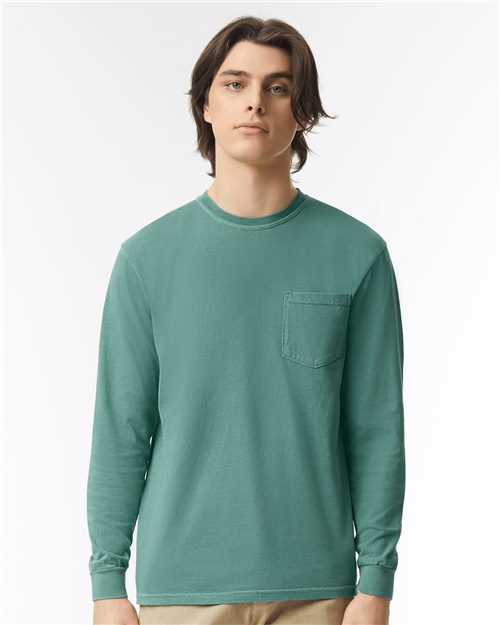
    While not technically an oversized cut, the Comfort Colors 1717 in sizes L through 2XL delivers an oversized aesthetic thanks to its relaxed, garment-dyed construction. The natural shrinkage and soft hand feel give it that worn-in, oversized vibe that resonates with trend-conscious consumers.

    • Weight: 6.1 oz
    • Fabric: 100% ring-spun cotton, garment dyed
    • Why it works: The garment-dye process creates a vintage, lived-in look that pairs perfectly with the oversized trend. Available in 70+ colors.
    • Best for: DTF transfers, screen printing, vintage-style brands
    • Wholesale price: Starting around $4.50 to $6.00 per unit depending on color and quantity

    2. Gildan 1301 (Hammer Oversized)

    Gildan’s Hammer collection includes pieces with a more generous, relaxed fit that works for the oversized market. The 1301 is a heavyweight option with a classic look.

    • Weight: 6.0 oz
    • Fabric: 100% preshrunk cotton
    • Why it works: Affordable entry point for businesses testing the oversized market. Consistent availability and wide size range.
    • Best for: Screen printing, DTF, budget-conscious brands
    • Wholesale price: Starting around $3.50 to $5.00 per unit

    3. Los Angeles Apparel 1801GD

    LA Apparel has become the go-to for streetwear brands. The 1801GD is a garment-dyed heavyweight tee with a boxy, oversized fit built into the pattern.

    • Weight: 6.5 oz
    • Fabric: 100% cotton, garment dyed
    • Why it works: True oversized cut with dropped shoulders. Made in the USA. Premium positioning justifies higher retail prices.
    • Best for: Streetwear brands, fashion-forward custom lines, DTF and screen printing
    • Wholesale price: Starting around $8.00 to $12.00 per unit

    4. Next Level 1580 (Heavyweight Boxy Tee)

    Next Level’s foray into the oversized space delivers their trademark softness in a boxier silhouette.

    • Weight: 6.0 oz
    • Fabric: 100% combed cotton
    • Why it works: Combines premium softness with the oversized trend. Excellent print surface.
    • Best for: Premium custom brands, DTF transfers, embroidery
    • Wholesale price: Starting around $5.50 to $7.50 per unit

    5. Shaka Wear Max Heavyweight

    A cult favorite in the streetwear and custom apparel community, Shaka Wear’s max heavyweight tees are built for the oversized aesthetic.

    • Weight: 7.5 oz
    • Fabric: 100% cotton
    • Why it works: Ultra-heavyweight construction that holds its shape wash after wash. The boxy fit is a natural oversized silhouette.
    • Best for: Streetwear brands, premium custom lines, screen printing
    • Wholesale price: Starting around $5.00 to $7.00 per unit

    Printing Compatibility: What Works on Oversized Blanks

    Not every print method is ideal for oversized tees. Here’s what to consider:

    DTF (Direct to Film) Transfers

    DTF is excellent for oversized blanks. The transfer process works on any fabric and doesn’t require special pre-treatment. For oversized tees, consider larger print areas (12×16 inches or even full front) to match the proportions of the garment. A small chest print on an oversized tee can look lost.

    Screen Printing

    Screen printing remains the most cost-effective method for high-volume oversized tee production. Heavyweight fabrics hold ink well and the larger print area isn’t an issue for experienced printers. Just ensure your platen can accommodate the wider body of oversized cuts.

    Embroidery

    Oversized tees work well with embroidery, particularly left-chest logos and back-of-neck branding. The heavier fabric provides a stable base for stitching. Avoid large embroidery designs on lightweight oversized blanks, as they can pucker.

    Sublimation

    Limited options here, since most oversized blanks are 100% cotton. If you need sublimation-compatible oversized tees, look for polyester or high-poly-blend options. The selection is growing but still much smaller than the cotton market.

    Sizing Strategy for Oversized Blanks

    How you size and market your oversized tees matters more than you might think.

    Option 1: True oversized sizing. Some brands buy true oversized-cut blanks and sell them in standard S through 2XL sizes. The customer orders their normal size and gets the oversized fit.

    Option 2: Size-up strategy. Other brands use standard-fit blanks and recommend customers size up one or two sizes. This approach gives customers more control but requires clear sizing guidance on your product pages.

    Option 3: One-size or limited sizing. Some streetwear brands sell oversized tees in just two or three sizes (S/M, L/XL, 2XL/3XL). This reduces inventory complexity and plays into the “one size fits most” aesthetic.

    For most wholesale buyers, Option 1 (true oversized blanks) delivers the best customer experience and fewest returns.

    Pricing Your Oversized Tees for Profit

    Oversized blanks cost more than standard fits, but they also command higher retail prices. Here’s a typical pricing framework:

    Cost Component Standard Fit Oversized
    Blank cost $3.00 to $5.00 $5.00 to $12.00
    Print/decoration $2.00 to $4.00 $2.50 to $5.00
    Packaging/shipping $1.50 to $2.50 $2.00 to $3.00
    Total COGS $6.50 to $11.50 $9.50 to $20.00
    Retail price $22.00 to $32.00 $38.00 to $58.00
    Margin 55 to 65% 55 to 70%

    The key insight: even though your per-unit cost is higher, your margins can be equal or better because consumers willingly pay the premium.

    Where to Source Oversized Blanks at Wholesale Prices

    For the best wholesale pricing on oversized blank t-shirts, working with a distributor that carries multiple brands gives you flexibility and competitive rates.

    At Beytees, we carry a wide selection of blank apparel from top brands including Comfort Colors, Gildan, Bella Canvas, Next Level, and more. With fast shipping from Texas and competitive wholesale pricing, we help custom apparel businesses stock the blanks they need without the hassle of managing multiple vendor relationships.

    Whether you’re testing the oversized trend with a small order or scaling up production for your streetwear line, having a reliable wholesale partner makes the difference between smooth operations and supply chain headaches.

    Tips for Selling Oversized Tees Successfully

    Invest in photography. Oversized tees look dramatically different when styled properly. Invest in lifestyle photography that shows the fit on real people. Flat-lay photos don’t capture the drape and silhouette.

    Write detailed size guides. Since oversized sizing can be confusing, include body measurements, model sizing information, and fit descriptions on every product page. This reduces returns and support inquiries.

    Lean into the trend on social media. Oversized tees are inherently photogenic and shareable. Encourage customers to tag your brand and repost user-generated content.

    Bundle and upsell. Oversized tees pair naturally with shorts, joggers, and accessories. Create bundles or “outfit” packages to increase average order value.

    Test colors carefully. Neutral tones (black, white, cream, charcoal, sage, mocha) tend to perform best in the oversized category. Start with proven sellers before expanding into bold colors.

    Frequently Asked Questions

    What’s the difference between oversized and regular fit t-shirts?

    Oversized t-shirts have a wider body, dropped shoulder seams, and a longer hemline compared to regular fit. They’re designed to create a relaxed, boxy silhouette rather than following the body’s natural contours.

    Can I use DTF transfers on heavyweight oversized tees?

    Yes. DTF transfers work on all fabric types and weights. Heavyweight cotton oversized tees are actually ideal for DTF because the thick fabric provides a smooth, stable surface for transfer application.

    What’s the best fabric weight for oversized blanks?

    For the oversized trend, 6.0 oz and above is recommended. Heavyweight fabrics (6.5 to 7.5 oz) hold the boxy shape best and feel more premium. Lighter fabrics tend to drape too much and lose the structured oversized look.

    Are oversized t-shirts profitable for custom apparel businesses?

    Very. Oversized tees typically retail for 40 to 80% more than standard-fit tees. While the blank cost is higher, the increased retail price means margins are equal or better. Consumer demand for oversized fits continues to grow in 2026.

    How should I size oversized blanks for my store?

    If you’re using true oversized-cut blanks, sell them in standard sizes (S through 2XL). The oversized fit is built into the pattern. If using standard blanks, recommend customers size up one to two sizes and provide detailed measurements on your product pages.

    Where can I buy oversized blank t-shirts wholesale?

    Wholesale distributors like Beytees carry a range of blank apparel from major brands at competitive wholesale prices. Working with a single distributor simplifies ordering and shipping logistics.

    Final Thoughts

    The oversized t-shirt trend isn’t going anywhere. If anything, it’s becoming more established as a permanent fixture in casual and streetwear fashion. For custom apparel businesses, this represents a real opportunity to differentiate your brand, command higher prices, and tap into strong consumer demand.

    The key is choosing the right blanks. Focus on heavyweight, intentionally oversized cuts from reputable brands. Invest in your presentation. Price confidently. And source from a wholesale partner that can keep up with your growth.

    Ready to stock up on wholesale blank apparel for your custom brand? Browse our full catalog at beytees.com for competitive pricing and fast shipping from Texas.

  • Eco-Friendly Wholesale Blank Apparel: Sustainable Options for 2026

    Why Eco-Friendly Blank Apparel Matters in 2026

    The wholesale blank apparel industry is undergoing a massive shift toward sustainability. In 2026, eco-friendly clothing is no longer a niche market segment. It has become a core purchasing requirement for brands, custom apparel businesses, and print shops across the United States. Consumers are demanding transparency in how their clothing is made, from raw fiber sourcing to the final finished product.

    If you run a custom apparel business, screen printing shop, DTF transfer operation, or embroidery business, offering sustainable blank options gives you a competitive edge. Your customers want to know that the blank t-shirts, hoodies, and tote bags they are buying align with their values.

    At Beytees, we carry a wide range of eco-friendly wholesale blanks from top brands, all available with fast shipping from Texas. Let us walk you through everything you need to know about sustainable wholesale apparel in 2026.

    What Makes Blank Apparel Eco-Friendly?

    Not all “green” claims are created equal. When evaluating eco-friendly wholesale blank apparel, look for these key factors:

    Organic Cotton

    Organic cotton is grown without synthetic pesticides, chemical fertilizers, or genetically modified seeds. It uses significantly less water than conventional cotton farming and promotes healthier soil. The Global Organic Textile Standard (GOTS) certification is the gold standard for organic cotton products, ensuring the entire supply chain meets strict environmental and social criteria.

    Recycled Materials

    Many sustainable blanks now incorporate recycled polyester made from post-consumer plastic bottles (RPET). Some brands blend recycled cotton with organic cotton to reduce waste while maintaining a soft, printable surface. This approach diverts plastic from landfills and reduces the demand for virgin polyester production.

    Low-Impact Dyes

    Conventional textile dyeing is one of the most polluting processes in the fashion industry. Eco-friendly blanks use low-impact or non-toxic dyes that require less water, produce less runoff, and avoid harmful chemicals like formaldehyde and heavy metals. Waterless dyeing technology is also gaining traction in 2026.

    Ethical Manufacturing

    Sustainability goes beyond materials. Ethical manufacturing means fair wages, safe working conditions, and transparent supply chains. Look for certifications like Fair Trade, WRAP (Worldwide Responsible Accredited Production), or B Corp status when sourcing your blanks.

    Top Eco-Friendly Wholesale Blank Brands for 2026

    Here are the brands leading the charge in sustainable blank apparel that work great for screen printing, DTF transfers, embroidery, and other customization methods.

    Allmade

    Allmade has built its entire brand around sustainability and social impact. Their tri-blend t-shirts use a combination of organic cotton, recycled polyester (from plastic bottles), and TENCEL Modal (sourced from sustainably managed beechwood trees). Every Allmade shirt purchased helps provide living wages to garment workers in Haiti.

    Their flagship Allmade Unisex Tri-Blend Tee (AL2004) is one of the most popular eco-friendly blanks on the market. It offers an incredibly soft hand feel that rivals premium fashion brands, making it perfect for DTF transfers and screen printing.

    Best for: Premium custom brands, boutique shops, corporate merchandise programs

    Bella+Canvas

    Bella+Canvas has made significant strides in sustainability. Their manufacturing facilities use renewable energy, and they have reduced water usage by up to 7x compared to industry standards. The Bella+Canvas 3001, one of the best-selling blank tees in the industry, is made with combed and ring-spun cotton using responsible sourcing practices.

    Their newer lines incorporate recycled and organic materials, and the company has committed to using 100% sustainably sourced fibers by 2030. For a detailed comparison with other popular blanks, check out our Bella Canvas 3001 vs Gildan 64000 comparison guide.

    Best for: Fashion-forward brands, soft retail-quality blanks, DTF and screen printing

    Comfort Colors (Gildan)

    Comfort Colors has become synonymous with the garment-dyed, vintage aesthetic that continues to dominate in 2026. While garment dyeing does use more water than piece dyeing, Comfort Colors has invested in more efficient dyeing processes and water treatment systems. The heavyweight Comfort Colors 1717 (6.1 oz) delivers that broken-in, lived-in feel that customers love.

    The garment-dye process also extends garment life, as colors soften gracefully rather than fading harshly. Longer-lasting clothes mean less waste. Read our full Comfort Colors 1717 Wholesale Buying Guide for pricing and color details.

    Best for: Vintage and retro brands, campus and Greek life, trendy earthy color palettes

    Next Level Apparel

    Next Level focuses on premium quality with an increasing commitment to sustainability. Their CVC (Chief Value Cotton) blends use a cotton-dominant fabric that reduces polyester content while maintaining durability. The Next Level 6210 CVC tee is a standout option for businesses wanting a premium, soft blank with reduced environmental impact.

    Next Level also uses WRAP-certified factories and has been working toward more transparent supply chain reporting. For a head-to-head look at how they compare, see our Next Level 6210 vs Bella Canvas 3001 comparison.

    Best for: Premium retail brands, soft-touch merchandise, fashion blanks

    Royal Apparel

    Royal Apparel is a standout for businesses that want Made in USA organic and eco-friendly blanks. They manufacture in the United States and offer a wide range of organic cotton, recycled polyester, hemp, and bamboo blends. Their Organic Fine Jersey Tee (5051ORG) is GOTS-certified and offers a true organic option for eco-conscious brands.

    They also offer RPET (recycled polyester from plastic bottles) options and sustainable tri-blends. Being US-manufactured means lower shipping emissions and faster turnaround for domestic orders.

    Best for: Made in USA requirements, organic certification needs, eco-focused brands

    Sustainable Materials Breakdown

    Understanding the materials used in eco-friendly blanks helps you make better purchasing decisions. Here is a breakdown of the most common sustainable fibers in wholesale blank apparel for 2026:

    Organic Cotton

    Organic cotton uses 91% less water and 62% less energy than conventional cotton. It is free from toxic pesticides and GMOs. GOTS-certified organic cotton is the highest standard available. Organic cotton blanks tend to cost 15-30% more than conventional options, but the premium is shrinking as production scales.

    Recycled Polyester (RPET)

    Made from post-consumer plastic bottles, RPET reduces landfill waste and petroleum dependency. It takes about 5 recycled plastic bottles to make enough fiber for one t-shirt. RPET performs identically to virgin polyester for sublimation printing, making it an excellent choice for sublimation blanks.

    TENCEL / Lyocell

    TENCEL is made from sustainably harvested wood pulp (usually eucalyptus or beechwood) in a closed-loop process that recycles 99% of the solvents used. It produces an exceptionally soft fabric with excellent moisture management. You will find TENCEL in many premium tri-blend blanks.

    Hemp

    Hemp grows quickly with minimal water, requires no pesticides, and actually improves soil health. Hemp-cotton blends produce durable, breathable blanks with a slightly textured hand feel. Hemp is gaining popularity in 2026 as processing technology improves the softness of hemp fibers.

    Bamboo Viscose

    Bamboo grows rapidly without pesticides and requires minimal water. However, the chemical process to convert bamboo into viscose can be resource-intensive, so look for brands using closed-loop processing. Bamboo blanks are incredibly soft and have natural antibacterial properties.

    Print Compatibility: What Works on Eco-Friendly Blanks?

    A common concern when switching to sustainable blanks is print quality. Here is how eco-friendly fabrics perform with different customization methods:

    Screen Printing

    Organic cotton takes screen printing ink beautifully. The natural fiber surface provides excellent adhesion for both plastisol and water-based inks. For the most eco-friendly approach, pair organic cotton blanks with water-based or discharge inks. Read our complete guide to wholesale blanks for screen printing.

    DTF (Direct to Film) Transfers

    DTF transfers work exceptionally well on organic cotton and cotton-blend eco blanks. The slightly rougher texture of organic cotton can actually improve adhesion of DTF transfers. Comfort Colors garment-dyed blanks are among the most popular choices for DTF decoration. Check out our DTF printing on Comfort Colors guide for detailed tips.

    Embroidery

    Eco-friendly blanks handle embroidery just as well as conventional options. Heavier weight organic cotton tees and hoodies provide excellent stability for embroidery. Our best hoodies for embroidery guide covers weight and fabric considerations in detail.

    Sublimation

    Sublimation requires polyester content, but RPET (recycled polyester) blanks work identically to virgin polyester for sublimation. This means you can offer vibrant, all-over sublimation prints on recycled blanks without any quality compromise. See our sublimation buying guide.

    2026 Color Trends in Sustainable Apparel

    Eco-friendly apparel and earth-inspired color palettes go hand in hand. The top trending colors for sustainable blanks in 2026 include:

    • Sage Green: The defining color of the sustainability movement, available across almost every eco brand
    • Terracotta and Rust: Warm earth tones that evoke natural landscapes
    • Dusty Blue and Slate: Muted blues inspired by water and sky
    • Ochre and Mustard: Warm yellows that pair perfectly with the earthy palette
    • Natural and Bone: Undyed or minimally dyed options that showcase the raw cotton
    • Charcoal and Pepper: Dark neutrals using less dye than true black

    For a deeper dive into color trends, read our top 10 trending blank apparel colors for 2026.

    Cost Considerations: Is Sustainable Wholesale Apparel More Expensive?

    Yes, eco-friendly blanks typically carry a premium, but the gap is narrowing. Here is what to expect in 2026:

    • Organic cotton tees: 15-30% premium over conventional (was 40-50% five years ago)
    • Recycled polyester: 10-20% premium, shrinking as recycling infrastructure improves
    • Tri-blend sustainable: 20-35% premium for TENCEL/organic/recycled blends
    • Made in USA organic: 50-100% premium, reflecting domestic manufacturing costs

    The business case for stocking sustainable options is strong. Studies consistently show that consumers are willing to pay 15-25% more for verified sustainable products. For custom apparel businesses, this means you can pass the material premium to the end customer and often achieve higher margins on eco-friendly products.

    Buying in bulk further reduces per-unit costs. At Beytees, we offer competitive wholesale pricing on sustainable blanks with volume discounts that help offset the premium.

    Certifications to Look For

    When sourcing eco-friendly wholesale blanks, these certifications verify legitimate sustainability claims:

    • GOTS (Global Organic Textile Standard): The most comprehensive organic textile certification, covering environmental and social criteria across the entire supply chain
    • OEKO-TEX Standard 100: Tests for harmful substances in finished textiles, ensuring the final product is safe for consumers
    • Fair Trade Certified: Ensures fair wages and safe working conditions for garment workers
    • WRAP (Worldwide Responsible Accredited Production): Certifies lawful, humane, and ethical manufacturing
    • B Corp: Verifies the company meets high standards of social and environmental performance
    • Bluesign: Ensures responsible use of resources and minimal environmental impact in the textile manufacturing process

    How to Transition Your Business to Sustainable Blanks

    You do not need to overhaul your entire inventory overnight. Here is a practical approach:

    1. Start with one eco line: Add one or two sustainable blank options alongside your existing inventory. Test customer response.
    2. Educate your customers: Create hang tags, packaging inserts, or website content explaining why you offer sustainable options.
    3. Price strategically: Position eco-friendly products as a premium tier rather than trying to match conventional pricing.
    4. Track performance: Monitor sell-through rates and customer feedback on sustainable products versus conventional ones.
    5. Scale gradually: As demand grows, increase your sustainable offerings. Many businesses find that eco products become their top sellers within 12 months.

    If you are just getting started with a custom apparel business, our complete startup guide covers everything from sourcing to fulfillment.

    Frequently Asked Questions

    Are eco-friendly blank t-shirts good for screen printing?

    Yes. Organic cotton takes screen printing ink extremely well, often better than conventional cotton due to the absence of chemical finishes. Water-based and discharge inks pair perfectly with organic blanks for the most sustainable end product.

    Can I use DTF transfers on organic cotton blanks?

    Absolutely. DTF transfers adhere well to organic cotton and sustainable blends. The slightly more natural texture can actually improve transfer adhesion compared to heavily processed conventional fabrics.

    What is the cheapest eco-friendly blank t-shirt option?

    Recycled polyester blends and CVC (Chief Value Cotton) options from brands like Next Level tend to be the most affordable sustainable options. Bella+Canvas blanks also offer sustainability features at competitive price points due to their massive production scale.

    Is organic cotton the same as sustainable cotton?

    Not exactly. Organic cotton is one type of sustainable cotton, but sustainability also includes factors like water usage, fair labor practices, and supply chain transparency. A conventional cotton blank from a WRAP-certified, water-efficient factory might be more sustainable overall than an organic cotton blank from an unverified source.

    Do eco-friendly blanks shrink more than conventional ones?

    Organic cotton can shrink slightly more if not pre-shrunk. Most wholesale eco-friendly blanks are pre-shrunk during manufacturing. Always check the product specifications and order samples before committing to large quantities.

    Where can I buy eco-friendly wholesale blank apparel?

    Beytees carries a curated selection of sustainable blank apparel from top brands including Bella+Canvas, Comfort Colors, Next Level, and more. We offer competitive wholesale pricing with fast shipping from our Texas warehouse.

    The Bottom Line

    Sustainable wholesale blank apparel is not just a trend. It is the future of the industry. In 2026, consumers expect eco-friendly options, and businesses that offer them gain a meaningful competitive advantage. The cost premium is shrinking, print compatibility is excellent, and the variety of eco-friendly blanks has never been better.

    Whether you are adding sustainable options to an existing custom apparel operation or building an eco-focused brand from scratch, now is the time to make the switch. Start with a few key styles, educate your customers on the value, and watch your eco-friendly line grow.

    Browse our full catalog at beytees.com for wholesale pricing on sustainable blank apparel with fast shipping from Texas.

  • Richardson 112 Trucker Hat Wholesale: The Ultimate Buying Guide

    Why the Richardson 112 Is the #1 Wholesale Trucker Hat in America

    If you’ve spent any time in the custom headwear space, you already know the Richardson 112. It’s the trucker hat that custom apparel businesses, embroiderers, hat shops, and brand owners reach for first. And there’s a good reason for that: the Richardson 112 combines quality construction, a massive color selection, and a price point that makes bulk buying a no-brainer.

    Whether you’re launching a custom hat line, adding headwear to your existing apparel business, or stocking up for events and promotions, this guide covers everything you need to know about buying Richardson 112 trucker hats at wholesale prices in 2026.

    Richardson 112 Specs: What Makes It Stand Out

    Before we talk pricing, let’s break down what you’re actually getting with the Richardson 112:

    Construction and Fit

    • Profile: Mid-pro (not too tall, not too flat). This is the sweet spot that fits almost every head shape comfortably.
    • Panels: Six-panel structured design with a pre-curved bill. No breaking in required.
    • Front Fabric: Cotton-polyester twill blend (60% cotton, 40% polyester) on the front two panels. Sturdy enough for embroidery, smooth enough for patches and heat transfers.
    • Back Mesh: 100% polyester trucker mesh on the back four panels. Breathable, lightweight, and built to hold its shape.
    • Closure: Adjustable plastic snapback. Universal fit, one-size-fits-most.
    • Sweatband: Standard cotton sweatband for all-day comfort.
    • Sizes: Youth (Y), Small (SM), MD-LG (standard adult), and XL for larger heads.

    The mid-pro profile is a huge selling point. High-crown hats feel outdated for most buyers, and low-profile caps don’t work for everyone. The Richardson 112 sits right in the middle, which is exactly why it dominates the wholesale market.

    Color Options: Over 80 Colorways to Choose From

    One of the biggest advantages of the Richardson 112 is the sheer number of color combinations available. We’re talking 80+ colorways, broken down into:

    Solid Colors: Same color front, back, and bill. Think classic Black, Navy, White, Red, Cardinal, Charcoal, and newer additions like Quarry and Loden.

    Split/Two-Tone Colors: Different colors on the front panels and the mesh back. Popular combos include Heather Grey/Black, Khaki/White, Caramel/Black, and Navy/White. These are the best sellers for custom hat brands because the contrast looks sharp with embroidery or patches.

    Tri-Color Options: Three different colors across the front, mesh, bill, and button. These give you maximum design flexibility without any custom work.

    Specialty Prints: Camo patterns, printed mesh, and seasonal releases round out the lineup.

    For wholesale buyers, this color range means you can offer variety to your customers without switching hat brands. One style number, dozens of looks.

    Richardson 112 Wholesale Pricing in 2026

    Here’s what you can expect to pay when buying Richardson 112 trucker hats in bulk:

    Single Unit (retail): $8 to $12 depending on the vendor and colorway.

    12+ Units: Most wholesalers start their first price break here, typically dropping to the $6 to $8 range per hat.

    36+ Units: Another tier of savings. Expect to pay $5 to $7 per hat at this volume.

    144+ Units (case quantities): At full case pricing, you can find Richardson 112s in the $4 to $6 range, depending on the supplier and any current promotions.

    Key pricing notes:

    • Specialty colorways (camo, prints) may cost slightly more than solid colors.
    • Youth sizes (112Y) are typically priced the same or slightly lower than adult sizes.
    • Some wholesalers offer mix-and-match across colors within the same style, which is ideal if you want variety without committing to 36+ of a single color.

    At Beytees, we carry Richardson 112 trucker hats at competitive wholesale pricing with fast shipping from Texas. Whether you need a dozen or a thousand, we can get them to you quickly.

    Richardson 112 vs. Other Popular Trucker Hats

    How does the Richardson 112 stack up against the competition?

    Richardson 112 vs. Richardson 115 (Low-Pro Trucker)

    The 115 offers a lower profile for buyers who prefer a sleeker look. Same mesh back, same quality, but the 115 sits closer to the head. If your target market skews younger or more fashion-forward, the 115 is worth considering. But for overall versatility, the 112’s mid-pro profile wins for most businesses.

    Richardson 112 vs. Yupoong 6606 (Classic Trucker)

    The Yupoong 6606 is another popular choice in the trucker hat space. It’s slightly more budget-friendly in some cases, but the Richardson 112 generally offers better structure, more color options, and a more premium feel. For custom branding work, the 112’s front panel material takes embroidery and heat transfers better.

    Richardson 112 vs. Pacific Headwear 104C

    The 104C is a solid competitor with similar specs. Pacific Headwear offers good quality, but Richardson’s brand recognition and broader color palette give the 112 an edge for businesses that want to market “Richardson quality” to their end customers.

    Best Decoration Methods for the Richardson 112

    The Richardson 112 works with virtually every decoration method used in the custom hat industry:

    Embroidery: The structured front panels and cotton-poly blend make the 112 an embroidery dream. Flat embroidery, 3D puff, and combination designs all look great.

    Leather Patches: Laser-engraved or debossed leather patches are huge right now. The 112’s flat front panel is the perfect canvas for patch application.

    Heat Transfer Vinyl (HTV): For smaller runs or detailed designs, HTV applies cleanly on the 112’s front panel.

    DTF Transfers: Direct-to-film transfers work great on the cotton-blend front panel. Full-color, photo-quality designs without the setup costs of embroidery.

    Screen Printing: Less common on hats but doable on the 112, especially for simple one or two-color designs.

    Sublimation: Standard Richardson 112s aren’t ideal for sublimation due to the cotton content. If you need sublimation, look at polyester-front options instead.

    Who’s Buying Richardson 112 Trucker Hats in Bulk?

    The 112 has become the go-to blank for a wide range of businesses:

    • Custom hat brands: Small businesses selling branded caps on Etsy, Shopify, and at markets.
    • Embroidery shops: The single most requested blank for custom embroidery orders.
    • Promotional products companies: Corporate events, trade shows, and company merch programs.
    • Outdoor and hunting brands: The camo and earth-tone options make it perfect for outdoor lifestyle brands.
    • Sports teams and leagues: Youth and adult sports organizations ordering matching team hats.
    • Wedding and event planners: Custom groomsmen hats, bachelorette party caps, and reunion merch.
    • Resellers and screen printers: Adding headwear as an upsell to their existing blank apparel offerings.

    Buying Tips: How to Get the Best Deal on Wholesale Richardson 112s

    1. Buy in case quantities when possible. The biggest savings come at 144+ units. If you have consistent demand, buying by the case saves real money over time.

    2. Mix colors, not styles. Most wholesalers let you mix colors within the Richardson 112 style for bulk pricing. Take advantage of this to stock variety without over-committing to any single color.

    3. Watch for seasonal promotions. Wholesalers often run sales during slower seasons (typically Q1 and early Q4). Stock up when prices dip.

    4. Order popular colors in larger quantities. Black, Heather Grey/Black, Khaki/White, and Navy consistently outsell everything else. Keep deeper stock in these basics.

    5. Consider the full Richardson lineup. The 112 is the flagship, but Richardson also makes the 112FP (five-panel), 112RE (recycled trucker), and 112PM (printed mesh). Offering these variants alongside the classic 112 gives your customers more options.

    6. Factor in shipping costs. Hats are bulky. Shipping from a Texas-based wholesaler like Beytees can save you significantly on transit times and costs, especially if you’re in the southern or central US.

    Richardson 112 Variants Worth Knowing

    Richardson has expanded the 112 line with several popular variants:

    • 112FP (Five-Panel Trucker): Same quality, modern five-panel construction. Trending with streetwear and lifestyle brands.
    • 112Y (Youth Trucker): Sized down for kids. Same colors and quality as the adult version.
    • 112P (Patterned Trucker): Front panels feature patterns like camo, plaid, or heather prints.
    • 112PM (Printed Mesh): Mesh back panels feature printed designs for a unique look.
    • 112RE (Recycled Trucker): Made with recycled materials for eco-conscious brands.
    • 112WF (Waxed Front): Water-resistant waxed canvas front panels for outdoor use.

    How to Start Selling Custom Richardson 112 Hats

    If you’re new to the custom hat business, here’s a quick roadmap:

    Step 1: Order a sample pack of 12 to 24 hats in your top color choices. Test the quality, fit, and how your decoration method looks on the actual product.

    Step 2: Choose your decoration method. Embroidery is the most popular and professional-looking option, but leather patches and DTF transfers are growing fast.

    Step 3: Price your finished hats for profit. A blank Richardson 112 at $5 to $7 wholesale, plus $3 to $5 in decoration costs, gives you a finished product that can retail for $25 to $45 depending on your brand positioning.

    Step 4: List on your sales channels. Shopify, Etsy, Amazon Handmade, local markets, and wholesale to retailers all work well for custom hats.

    Step 5: Scale by buying larger quantities. As demand grows, move to case quantities and negotiate better pricing with your wholesaler.

    Frequently Asked Questions

    What is the minimum order for wholesale Richardson 112 hats?
    Most wholesalers set the minimum at 12 hats to qualify for bulk pricing. Some vendors have no minimum for individual orders but offer tiered discounts starting at 12, 36, and 144+ units.

    Are Richardson 112 hats good for embroidery?
    Yes. The structured cotton-poly front panels are one of the best surfaces for embroidery in the blank cap market. Both flat and 3D puff embroidery work well.

    What’s the difference between the Richardson 112 and 112FP?
    The 112 is a traditional six-panel trucker hat. The 112FP is a five-panel design with a seamless front, which gives it a more modern, minimalist look. Both use the same mesh back and snapback closure.

    Can I mix colors when ordering in bulk?
    Yes. Most wholesalers, including Beytees, allow you to mix colors within the Richardson 112 style while still qualifying for bulk pricing tiers.

    How fast can I get Richardson 112 hats shipped?
    From Beytees, most in-stock orders ship within 1 to 2 business days from our Texas warehouse. Standard shipping reaches most US addresses in 3 to 5 business days.

    What sizes are available?
    The Richardson 112 comes in Youth, Small, MD-LG (standard adult, fits most), and XL. The MD-LG with adjustable snapback fits the vast majority of adults.

    Is the Richardson 112 good for sublimation?
    The standard 112 is not ideal for sublimation because the front panels are a cotton-poly blend. For sublimation, look for polyester-front options or consider DTF transfers as an alternative that works on the standard 112.

    Richardson 112 Care and Maintenance Tips

    Keeping your Richardson 112 hats in top condition matters, especially if you are selling decorated hats to customers:

    • Spot cleaning: Use a damp cloth with mild soap for small stains. This preserves embroidery and patches better than machine washing.
    • Hand washing: For deeper cleaning, hand wash in cool water with gentle detergent. Avoid bleach and harsh chemicals.
    • Drying: Air dry on a hat form or over a ball to maintain the structured shape. Never put a Richardson 112 in the dryer.
    • Storage: Store hats on a shelf or rack, not stacked. Stacking can deform the pre-curved bill and structured front panels over time.
    • Shipping decorated hats: Use rigid mailers or boxes with tissue paper support. Embroidered and patched hats can be damaged if shipped in soft poly mailers.

    Taking these steps protects your investment and keeps your customers happy with hats that look great for years.

    Ready to Order?

    The Richardson 112 has earned its reputation as the best-selling wholesale trucker hat for a reason. Quality construction, unmatched color variety, and a profile that works for everyone make it the safest bet for any custom headwear business.

    Browse our full selection of Richardson 112 trucker hats at Beytees and get wholesale pricing with fast shipping from Texas. Whether you’re ordering your first dozen or your hundredth case, we’ve got you covered.

    Looking for blank t-shirts to pair with your custom hats? Check out our guides on Comfort Colors 1717, Gildan 64000 Softstyle, and Bella Canvas 3001 vs Gildan 64000 to build out your wholesale inventory.

  • Wholesale Polyester Shirts for Sublimation: Complete Buying Guide for 2026

    Why Polyester Matters for Sublimation Printing

    Sublimation printing has become one of the most popular decoration methods in custom apparel, delivering vivid, full-color designs that become part of the fabric itself. Unlike screen printing or DTF transfers that sit on top of the garment, sublimation ink converts from solid to gas and bonds directly with polyester fibers. This means the fabric content of your blank shirt is everything.

    For the best results, you need blanks with at least 65% polyester content, though 100% polyester delivers the most vibrant, long-lasting prints. The higher the polyester percentage, the brighter your colors will appear and the longer they will last through washing and wear.

    Whether you are running a custom apparel shop, starting an online print-on-demand business, or fulfilling corporate orders, choosing the right wholesale polyester blanks for sublimation is one of the most important decisions you will make. This guide covers everything you need to know about selecting, sourcing, and printing on polyester sublimation blanks in 2026.

    How Sublimation Printing Works (And Why Fabric Content Matters)

    Sublimation printing uses heat and pressure to transfer designs from special sublimation paper onto polyester fabric. During this process, the solid sublimation ink turns into a gas (sublimation), which then penetrates the polyester fibers and solidifies inside them. This creates a permanent bond that will not crack, peel, or fade like other print methods.

    Here is why polyester content is so critical:

    • 100% Polyester: Maximum color vibrancy and sharpness. The ink bonds with every fiber, producing photo-quality prints with zero fading over time.
    • 65-90% Polyester Blends: Good color results with a softer, more cotton-like feel. Some color vibrancy is lost on the cotton fibers, creating a slightly “vintage” or heathered look that many customers actually prefer.
    • 50/50 Blends: Noticeable color loss. The cotton fibers do not accept sublimation ink, resulting in a faded, washed-out appearance. Not recommended for detailed or photo-based designs.
    • Below 50% Polyester: Not suitable for sublimation. Colors will appear dull and uneven.

    The takeaway: always start with the highest polyester content you can for sublimation work. If you want a softer hand feel, look at poly-rich blends (65%+ polyester) rather than dropping below that threshold.

    Top Polyester Blanks for Sublimation in 2026

    Here are the most popular and reliable polyester blanks used by sublimation printers across the country. We carry many of these at Beytees with wholesale pricing and fast shipping from Texas.

    1. A4 N3402 Sprint Performance Tee (100% Polyester)

    The A4 N3402 is one of the go-to choices for sublimation shops. It features a lightweight, breathable 100% polyester construction with a smooth, non-textured surface that produces incredibly vibrant prints. The moisture-wicking fabric makes it equally popular for sports teams, events, and casual wear.

    • Fabric: 100% polyester interlock
    • Weight: 4.0 oz
    • Best for: Full-color all-over prints, sports jerseys, promotional tees
    • Price range: $3.50-$5.00 wholesale

    2. Sublivie 1910 Unisex Sublimation Tee (100% Polyester)

    Sublivie blanks are designed specifically for sublimation printing. The 1910 offers a soft, cotton-like hand feel despite being 100% polyester, making it a favorite for print shops that want to deliver comfort alongside vibrant prints. Available in white and a range of light colors.

    • Fabric: 100% polyester jersey
    • Weight: 4.0 oz
    • Best for: Retail-quality sublimation, fashion prints, e-commerce brands
    • Price range: $4.00-$6.00 wholesale

    3. Gildan G800 DryBlend T-Shirt (50/50 Blend)

    While not ideal for maximum vibrancy, the Gildan G800 remains popular because of its price point and availability. The 50/50 cotton-polyester blend creates a vintage, slightly faded look that many customers love for retro designs. Just keep in mind that fine details and photographic images will not be as sharp as on 100% polyester.

    • Fabric: 50% cotton, 50% polyester
    • Weight: 5.5 oz
    • Best for: Budget-friendly sublimation, vintage-look designs, text-based prints
    • Price range: $2.50-$4.00 wholesale

    4. Augusta Sportswear 790 Wicking T-Shirt (100% Polyester)

    A performance tee built for athletic and active use. The Augusta 790 features moisture-wicking 100% polyester with a smooth surface perfect for sublimation. It is a top pick for sports leagues, gyms, and team uniforms.

    • Fabric: 100% polyester wicking knit
    • Weight: 3.8 oz
    • Best for: Sports teams, athletic events, performance apparel
    • Price range: $4.00-$6.00 wholesale

    5. Next Level 6210 CVC Crew (60/40 Blend)

    The Next Level 6210 is a premium tee with 60% combed ring-spun cotton and 40% polyester. While the polyester content is below the 65% threshold, many sublimation printers use it for its exceptionally soft feel. The result is a heathered, vintage sublimation look. Not recommended for photo-quality work, but great for trendy lifestyle brands.

    • Fabric: 60% cotton, 40% polyester CVC
    • Weight: 4.3 oz
    • Best for: Fashion brands wanting a soft feel with subtle sublimation effects
    • Price range: $4.50-$6.50 wholesale

    6. Vapor Apparel Solar Performance Tee (100% Polyester)

    Vapor Apparel specializes in sublimation-ready blanks. Their Solar Performance line features UPF 50+ sun protection alongside a silky smooth surface that produces stunning sublimation results. A premium option for outdoor brands, fishing apparel, and resort wear.

    • Fabric: 100% polyester with UPF 50+
    • Weight: 4.1 oz
    • Best for: Outdoor brands, fishing shirts, resort/vacation apparel
    • Price range: $6.00-$9.00 wholesale

    Key Factors When Choosing Sublimation Blanks

    Beyond polyester content, several other factors affect sublimation quality and customer satisfaction:

    Fabric Color

    Sublimation ink is transparent, which means it does not show up on dark fabrics. You must use white or very light-colored blanks for sublimation printing. On colored shirts, the ink will be invisible or heavily muted. If you need to print on dark garments, consider DTF transfers instead.

    Fabric Weight

    Lighter fabrics (3.5-4.5 oz) are generally easier to sublimate because the heat transfers more evenly through the thinner material. Heavier fabrics (5.0+ oz) can work but may require longer press times and higher temperatures. Check our t-shirt weight guide for more details on matching fabric weight to your print method.

    Surface Texture

    Smooth, flat-knit polyester produces the sharpest sublimation prints. Textured fabrics like pique, mesh, or fleece will still accept sublimation ink but may produce a slightly softer, less defined image. For photo-quality results, always choose smooth interlock or jersey knits.

    Pre-Shrinkage

    Some cheaper polyester blanks may shrink during the heat press process. Look for pre-shrunk or heat-set fabrics to avoid sizing issues after pressing. This is especially important for all-over print designs where alignment matters.

    Sublimation vs. DTF: When to Use Each Method

    Sublimation and DTF (Direct to Film) are both popular decoration methods, but they serve different purposes:

    Factor Sublimation DTF Transfer
    Fabric Required 65%+ polyester, white/light only Any fabric, any color
    Color Vibrancy Exceptional on polyester Excellent on all fabrics
    Hand Feel No feel (ink is in the fabric) Slight film feel
    Durability Permanent, never cracks or peels Very durable, slight peeling risk over time
    Cost Per Print Lower (ink + paper only) Slightly higher (film + ink + powder)
    Best For All-over prints, sportswear, white tees Dark garments, cotton, small runs

    Many successful print shops use both methods. Sublimation for polyester and light-colored work, DTF for everything else. If you are looking for DTF supplies, check out our partners at DTFSheet.com for custom gang sheet transfers.

    How to Get the Best Sublimation Results

    Even with the perfect polyester blank, technique matters. Here are the key settings and practices for professional sublimation results:

    Temperature and Time

    • Temperature: 380-400°F (193-204°C) for most polyester blanks
    • Press time: 45-60 seconds for standard weight fabrics
    • Pressure: Medium to firm. Too much pressure can cause the ink to bleed; too little and the transfer will be incomplete.

    Paper and Ink

    • Use high-quality sublimation paper designed for your printer type (Epson, Sawgrass, etc.)
    • Always mirror your design before printing on the transfer paper
    • Use sublimation-specific ICC profiles for accurate color matching
    • Let printed transfers dry completely before pressing (at least 15-20 minutes)

    Common Mistakes to Avoid

    • Ghosting: The paper shifting during pressing, creating a double image. Use heat-resistant tape to secure the transfer.
    • Moisture issues: Pre-press the blank for 3-5 seconds to remove moisture before applying the transfer.
    • Wrong side: Always print on the coated (bright white) side of sublimation paper.
    • Bleeding: Using too much pressure or temperature causes ink to spread beyond design boundaries.

    Buying Wholesale Polyester Blanks: What to Look For

    When sourcing your sublimation blanks wholesale, keep these factors in mind:

    Minimum Order Quantities

    Most wholesale distributors require minimum orders, typically ranging from a single case (36-72 pieces) to larger bulk quantities. At Beytees, we offer competitive pricing on all case quantities with no minimum order hassles.

    Pricing Tiers

    Wholesale polyester blank pricing typically breaks down like this:

    • Budget (under $3/shirt): 50/50 blends, basic polyester tees. Good for events, giveaways, and price-sensitive customers.
    • Mid-range ($3-$6/shirt): Quality 100% polyester performance tees. The sweet spot for most sublimation businesses.
    • Premium ($6-$10/shirt): Specialty polyester with UPF protection, extra-soft hand feel, or fashion-forward cuts. Best for retail brands and premium products.

    Shipping Speed

    In the custom apparel business, turnaround time is everything. Choose a distributor that ships quickly. At Beytees, we ship from our Texas warehouse with fast delivery to most US locations. Learn more about our shipping options and delivery times.

    Color Availability

    Remember, sublimation only works on white and very light colors. Make sure your supplier stocks consistent white and light-colored blanks. Some suppliers also carry “sublimation-ready” light pastels that can create unique base-color effects.

    Beyond T-Shirts: Other Polyester Blanks for Sublimation

    Sublimation is not limited to t-shirts. Here are other popular polyester blanks that accept sublimation printing beautifully:

    • Hoodies and Sweatshirts: 100% polyester fleece hoodies are growing fast in popularity. Look for smooth-faced fleece for the best results.
    • Tank Tops: Perfect for summer events, gym wear, and beach brands.
    • Long Sleeve Tees: Great for outdoor brands, fishing apparel, and fall/winter collections.
    • Polo Shirts: Corporate and team uniforms. Choose smooth knit over pique for better print definition.
    • Hats and Caps: Polyester trucker-style caps are increasingly popular for sublimation. Check our full catalog for options.
    • Tote Bags and Accessories: Polyester tote bags, mouse pads, pillowcases, and more.

    Frequently Asked Questions

    Can you sublimate on 100% cotton?

    No. Traditional sublimation ink only bonds with polyester fibers. On 100% cotton, the ink will wash out after one or two washes. If you need to print on cotton, use DTF transfers, screen printing, or heat transfer vinyl instead.

    What is the minimum polyester percentage for sublimation?

    For commercially acceptable results, aim for at least 65% polyester content. Below that, colors will appear noticeably faded and washed out. For the best results, use 100% polyester.

    Why do my sublimation prints look faded?

    Common causes include: using a fabric with too low polyester content, insufficient press temperature or time, using the wrong side of the sublimation paper, or expired/low-quality sublimation ink. Check each variable and test on a sample before running a full order.

    Can I sublimate on colored polyester shirts?

    Sublimation ink is transparent, so it will not show well on dark colors. Light colors (white, cream, light gray, pastels) work best. On medium colors, your design will take on a tinted appearance. On dark colors, the design will be nearly invisible.

    How long do sublimation prints last?

    On proper polyester fabric, sublimation prints are essentially permanent. The ink is embedded in the fibers, so there is nothing to crack, peel, or flake off. Prints will outlast the garment itself with normal washing and wear.

    Is sublimation printing profitable?

    Absolutely. Sublimation has low per-unit ink costs, requires minimal equipment (a sublimation printer and heat press), and produces retail-quality results. Margins of 50-70% are common for custom sublimation products. The key is sourcing quality blanks at wholesale prices.

    Start Ordering Wholesale Polyester Blanks Today

    Whether you are just starting your sublimation business or scaling up an existing operation, having a reliable wholesale blank supplier is essential. At Beytees, we stock a wide selection of polyester blanks from top brands, all at competitive wholesale prices with fast shipping from Texas.

    Need help choosing the right blanks for your sublimation setup? Browse our full catalog or reach out to our team. We are here to help you build a profitable custom apparel business.

    Related Articles:

  • How to Choose the Right Blank T-Shirt Weight for Your Print Method

    Why T-Shirt Weight Matters More Than You Think

    If you’ve ever pressed a DTF transfer onto a flimsy tee and watched it warp, or tried to screen print on a heavyweight blank and fought with ink absorption, you already know: fabric weight isn’t just a number on a spec sheet. It directly affects print quality, customer satisfaction, and your bottom line.

    Whether you’re running a custom apparel shop, managing a screen printing operation, or building a DTF transfer business, choosing the right blank t-shirt weight for your print method is one of the most impactful decisions you’ll make. In this guide, we break down everything you need to know about fabric weight, how it interacts with different printing techniques, and which wholesale blanks from Beytees are the best fit for your operation.

    Understanding T-Shirt Fabric Weight

    Fabric weight is measured in ounces per square yard (oz/sq yd) or grams per square meter (GSM). In the wholesale blank apparel industry, you’ll typically see weight listed in ounces. Here’s a quick breakdown:

    • Lightweight (3.0 to 4.3 oz): Thin, soft, breathable. Popular for fashion brands, retail, and summer collections. Examples: Bella Canvas 3001 (4.2 oz), Next Level 6210 (4.3 oz CVC).
    • Midweight (4.5 to 5.5 oz): The sweet spot for most printing operations. Durable enough for repeated washing, comfortable enough for everyday wear. Examples: Gildan 64000 (4.5 oz), Gildan 5000 (5.3 oz).
    • Heavyweight (5.5 to 6.1+ oz): Thick, structured, premium feel. Ideal for streetwear brands and situations where durability is paramount. Examples: Hanes Beefy-T 5180 (6.1 oz), Comfort Colors 1717 (6.1 oz).

    The weight of your blank affects drape, hand feel, opacity, shrinkage behavior, and critically, how well different print methods adhere and look on the finished product.

    Screen Printing: Which Weight Works Best?

    Screen printing pushes ink through a mesh screen directly onto the fabric. It’s the oldest and most established method in custom apparel, and fabric weight has a significant impact on the final result.

    Best Weight Range: 5.0 to 6.1 oz

    Midweight to heavyweight blanks perform best for screen printing. Here’s why:

    • Ink absorption: Thicker fabrics absorb plastisol and water-based inks more evenly, producing cleaner, more vibrant prints.
    • Platen stability: Heavier shirts sit flatter on the platen, reducing shifting during multi-color prints and improving registration accuracy.
    • Durability: Screen printed designs on heavyweight blanks withstand industrial washing and daily wear without cracking or fading as quickly.
    • Opacity on darks: Thicker fabric provides a better base for white underbase layers on dark garments.

    Top Picks for Screen Printing

    • Gildan 5000 (5.3 oz): The industry workhorse. Affordable, consistent quality across all colors, 100% cotton. Perfect for high-volume orders.
    • Hanes Beefy-T 5180 (6.1 oz): Maximum weight for a structured, premium hand feel. Great for streetwear and workwear brands.
    • Comfort Colors 1717 (6.1 oz): Garment dyed with a vintage wash feel. The relaxed fit and unique colorways make screen printed designs pop, especially for Greek life, resort wear, and boutique brands.

    Avoid for Screen Printing

    Ultra-lightweight blanks (under 4.0 oz) can be problematic. The fabric is too thin to absorb heavy ink deposits without bleeding, and the platen adhesive can show through or distort the garment during printing.

    DTF (Direct-to-Film) Transfer Printing: Which Weight Works Best?

    DTF printing creates a transfer on PET film with white ink backing, then heat presses it onto the garment. It’s the fastest growing print method in 2026 and works on virtually any fabric color or type.

    Best Weight Range: 4.2 to 5.5 oz

    DTF transfers are more forgiving than screen printing when it comes to fabric weight, but there’s still an optimal range:

    • Adhesion: The hot melt adhesive powder on DTF transfers bonds best with medium-density fabrics. Too thin and the transfer can feel stiff and dominate the garment. Too thick and you may need higher temperature or longer press times.
    • Drape preservation: One of DTF’s advantages is maintaining the soft hand feel of the garment. Lightweight to midweight blanks preserve that drape better after transfer application.
    • Versatility: DTF works on cotton, polyester, blends, and even nylon. The weight matters less than the surface texture, but smoother fabrics in the 4.2 to 5.5 oz range give the cleanest results.
    • Heat press consistency: Midweight blanks distribute heat more evenly during pressing, reducing the risk of scorching thin areas or under-curing thick spots.

    Top Picks for DTF Printing

    • Bella Canvas 3001 (4.2 oz): The retail darling. Soft Airlume cotton feels premium, and DTF transfers look incredible on the smooth fabric surface. Perfect for fashion-forward brands.
    • Gildan 64000 Softstyle (4.5 oz): Budget-friendly alternative to Bella Canvas with similar soft hand feel. Great for print-on-demand and high-volume DTF operations.
    • Next Level 6210 (4.3 oz CVC): Cotton/poly CVC blend provides excellent DTF adhesion and a super soft feel. The blend also resists shrinkage better than 100% cotton after pressing.
    • Comfort Colors 1717 (6.1 oz): Works well with DTF but requires attention to press settings. The garment-dyed texture can affect adhesion in some areas, so press at 305 to 315°F for 15 seconds with firm pressure. Read our full DTF on Comfort Colors guide for detailed tips.

    Sublimation Printing: Which Weight Works Best?

    Sublimation uses heat to convert dye into gas that permanently bonds with polyester fibers. This method requires specific fabric composition more than weight, but weight still plays a role.

    Best Weight Range: 3.8 to 5.0 oz (must be 100% polyester or high poly blend)

    • Fiber content is king: Sublimation only works on polyester or polyester-coated surfaces. Cotton will not hold sublimation dye. Period.
    • Lighter is brighter: Lighter polyester blanks tend to produce more vibrant sublimation prints because the thinner fabric allows heat to penetrate more evenly.
    • White or light colors only: Sublimation dye is transparent, so it only works on white or very light colored garments.
    • Performance fabrics: Many sublimation blanks are moisture-wicking performance tees in the 3.8 to 4.5 oz range, ideal for sports teams, event shirts, and promotional items.

    Top Picks for Sublimation

    • Paragon 200 (4.0 oz): Purpose-built 100% polyester performance tee for sublimation. Lightweight, moisture-wicking, and produces vibrant all-over prints.
    • A4 N3142 (4.0 oz): Budget-friendly polyester performance blank, great for sports teams and events.
    • Next Level 6210 (4.3 oz CVC, 60/40 cotton/poly): Not ideal for full sublimation, but the 40% polyester content gives a unique “vintage sublimation” look with slightly muted colors that some brands prefer.

    Embroidery: Which Weight Works Best?

    Embroidery uses needle and thread to create designs directly on the garment. Fabric weight affects stitch quality, puckering, and overall design stability.

    Best Weight Range: 5.0 to 6.1+ oz

    • Structural support: Heavier fabrics support dense embroidery stitches without puckering or distortion. Lightweight tees tend to bunch up around heavy stitch counts.
    • Backing still required: Even on heavyweight blanks, proper stabilizer backing is essential. But heavier fabric makes the backing’s job easier.
    • Hoodies and sweatshirts excel: The thick fleece of hoodies like the Gildan 18500 (8.0 oz) and Gildan 18000 (8.0 oz) provides an ideal canvas for embroidery.

    For a deeper dive, check our Best Blank Hoodies for Embroidery guide.

    Heat Transfer Vinyl (HTV): Which Weight Works Best?

    HTV involves cutting designs from vinyl sheets and heat pressing them onto garments. It’s popular for small batch, personalized, and single-color designs.

    Best Weight Range: 4.5 to 5.5 oz

    • Smooth surface: HTV adheres best to smooth, tightly woven fabrics. Midweight cotton and cotton-poly blends provide the ideal surface.
    • Avoid textured fabrics: Garment-dyed, heavily textured, or loosely woven fabrics can cause HTV adhesion issues and peeling.
    • Press temperature matters: Midweight fabrics handle the 305 to 320°F press temperatures required for most HTV without scorching.

    Top Picks for HTV

    • Gildan 5000 (5.3 oz): Smooth, consistent surface that HTV loves. The go-to for Cricut and Silhouette crafters ordering in bulk.
    • Gildan 64000 (4.5 oz): Softer hand with good HTV adhesion. Great for retail-quality personalized items.

    Quick Reference Chart: Print Method vs. T-Shirt Weight

    Here’s a quick summary to help you make the right choice:

    Screen Printing: Best at 5.0 to 6.1 oz. Top picks: Gildan 5000, Hanes 5180, Comfort Colors 1717.

    DTF Transfers: Best at 4.2 to 5.5 oz. Top picks: Bella Canvas 3001, Gildan 64000, Next Level 6210.

    Sublimation: Best at 3.8 to 5.0 oz (polyester required). Top picks: Paragon 200, A4 N3142.

    Embroidery: Best at 5.0 to 8.0+ oz. Top picks: Gildan 18000, Gildan 18500, heavyweight tees.

    HTV: Best at 4.5 to 5.5 oz. Top picks: Gildan 5000, Gildan 64000.

    How to Factor Cost Into Your Weight Decision

    Weight doesn’t just affect print quality. It also affects your wholesale cost per unit, shipping costs, and perceived value.

    • Lightweight blanks (3.0 to 4.3 oz): Generally $2.50 to $5.00 wholesale. Lower shipping costs per box. Fashion-forward appeal commands higher retail pricing.
    • Midweight blanks (4.5 to 5.5 oz): The value sweet spot at $1.50 to $3.50 wholesale. Most versatile across print methods. Best margin for high-volume operations.
    • Heavyweight blanks (5.5 to 6.1+ oz): Premium pricing at $3.00 to $7.00+ wholesale. Higher shipping costs but customers perceive more value. Best for streetwear and premium brands.

    At Beytees, we offer competitive wholesale pricing across all weight ranges with fast shipping from our Texas warehouse. Whether you need 24 Gildan 5000s for a screen printing job or 500 Bella Canvas 3001s for a DTF operation, we’ve got you covered.

    Pro Tips for Choosing the Right Weight

    1. Order samples first. Before committing to a large order, get samples of 2 to 3 different weights and test your actual print method on each. The difference in hand feel and print quality might surprise you.
    2. Consider your end customer. Fashion brands need lightweight softness. Work crews need heavyweight durability. Event shirts need midweight value. Match the blank to the buyer.
    3. Think about the full product. A DTF transfer adds about 0.3 to 0.5 oz of perceived weight and stiffness to the print area. A heavy screen print with underbase adds even more. Factor this into your base weight choice.
    4. Seasonal adjustments. Lighter blanks sell better in spring/summer. Heavyweight tees and hoodies move in fall/winter. Plan your inventory accordingly.
    5. Don’t forget shrinkage. Pre-shrunk blanks are labeled as such, but garment-dyed options like Comfort Colors may still have 3 to 5% shrinkage. Account for this when ordering sizes, especially for heavyweight options.

    Frequently Asked Questions

    What is the best t-shirt weight for screen printing?

    The best weight for screen printing is 5.0 to 6.1 oz. The Gildan 5000 (5.3 oz) is the industry standard for its consistent quality and affordable wholesale price. For premium applications, the Comfort Colors 1717 (6.1 oz) offers a garment-dyed vintage feel that customers love.

    Can you DTF print on lightweight t-shirts?

    Yes, DTF transfers work on lightweight t-shirts (4.0 oz and up), but you may notice the transfer area feels slightly stiffer compared to the rest of the garment. For the best balance of softness and print quality, aim for 4.2 to 5.0 oz blanks like the Bella Canvas 3001 or Gildan 64000.

    What weight t-shirt is best for sublimation?

    Sublimation works best on 3.8 to 5.0 oz 100% polyester blanks. The fabric composition matters more than weight for sublimation. The garment must be polyester (or have a high polyester content) and should be white or very light colored for vibrant results.

    Does t-shirt weight affect printing cost?

    Indirectly, yes. Heavier blanks cost more to purchase and ship, increasing your per-unit cost. However, they also hold prints better and last longer, which can reduce returns and increase customer satisfaction. The blank itself typically accounts for 30 to 50% of the total cost of a printed t-shirt.

    What is the most popular t-shirt weight for custom apparel?

    The 4.5 to 5.3 oz range is the most popular for custom apparel because it balances comfort, durability, and cost. The Gildan 5000 (5.3 oz) and Gildan 64000 (4.5 oz) dominate the wholesale market for this reason.

    Where can I buy blank t-shirts at wholesale prices?

    Beytees.com offers wholesale pricing on all major blank apparel brands including Gildan, Bella Canvas, Comfort Colors, Hanes, Next Level, and more. We ship fast from Texas with no minimum order requirements for most styles.

    Final Thoughts

    Choosing the right blank t-shirt weight isn’t just about personal preference. It’s a technical decision that directly impacts your print quality, production efficiency, customer satisfaction, and profit margins. Take the time to match your blanks to your print method, test before you commit to large orders, and don’t be afraid to stock multiple weights for different applications.

    Ready to stock up? Browse our full catalog at Beytees.com and get wholesale pricing with fast Texas shipping on every order.

  • Comfort Colors vs Gildan: Garment Dyed T-Shirt Comparison for 2026

    Comfort Colors vs Gildan: Which Garment Dyed T-Shirt Is Right for Your Business?

    When it comes to garment dyed t-shirts, two brands dominate the wholesale market: Comfort Colors and Gildan. Both offer that sought-after vintage, lived-in look that customers love, but they take very different approaches to achieving it. Whether you’re a screen printer, DTF transfer shop, embroiderer, or custom apparel brand, choosing the right garment dyed blank can make or break your product line.

    In this comprehensive comparison, we’ll break down the differences between Comfort Colors and Gildan garment dyed t-shirts across every factor that matters: fabric quality, fit, color selection, pricing, printability, and customer satisfaction. By the end, you’ll know exactly which brand fits your business needs.

    What Is Garment Dyeing? A Quick Primer

    Before we dive into the comparison, let’s clarify what garment dyeing actually means. Unlike piece dyeing (where fabric is colored before being cut and sewn), garment dyeing colors the finished shirt after it’s been constructed. This process creates several distinctive characteristics:

    • Soft, broken-in feel from the very first wear
    • Unique color variations with a slightly washed, vintage aesthetic
    • Natural fading over time that many customers prefer
    • Relaxed fit due to slight shrinkage during the dyeing process

    Both Comfort Colors and Gildan offer garment dyed options, but their approaches, price points, and target markets differ significantly. Let’s break it down.

    Brand Overview: Comfort Colors vs Gildan

    Comfort Colors

    Comfort Colors has been the gold standard in garment dyed apparel since 1975. Originally founded in Georgia, the brand built its reputation on premium ringspun cotton tees with an unmatched soft hand feel. In 2015, Gildan Brands acquired Comfort Colors, but the product line has maintained its distinct identity and quality standards.

    The flagship product, the Comfort Colors 1717, remains one of the most popular wholesale blank t-shirts in the industry. It’s the go-to choice for sororities, fraternities, vacation destinations, and premium retail brands.

    Gildan Garment Dyed Line

    Gildan’s garment dyed offerings, particularly the Gildan Hammer series and select styles from their core line, represent a more budget-friendly approach to the garment dyed market. While Gildan is better known for their standard blanks like the Gildan 64000 Softstyle, their garment dyed options have been gaining traction with price-conscious decorators.

    Fabric Quality and Feel

    Comfort Colors

    This is where Comfort Colors truly shines. The 1717 uses 100% ringspun cotton at a substantial 6.1 oz/yd² weight. The fabric feels thick yet incredibly soft, with a texture that improves with every wash. The ringspun construction creates a smoother, more refined surface compared to open-end yarn alternatives.

    Key fabric characteristics:

    • Ringspun cotton for superior softness
    • Heavyweight (6.1 oz) for a premium, substantial feel
    • Pre-shrunk through the garment dye process
    • Gets softer with each wash cycle
    • Minimal pilling over time

    Gildan Garment Dyed

    Gildan’s garment dyed shirts typically use 100% cotton but often rely on open-end yarn construction rather than ringspun. The weight varies by style but generally falls in the 5.3-6.0 oz range. The feel is noticeably different from Comfort Colors. It’s still soft thanks to the garment dye process, but lacks that buttery, broken-in quality that makes Comfort Colors feel like a shirt you’ve owned for years.

    Key fabric characteristics:

    • Open-end or semi-combed cotton (varies by style)
    • Mid to heavyweight options available
    • Decent softness from garment dye process
    • Adequate for most decoration methods
    • Some pilling may occur with heavier use

    Verdict: Comfort Colors wins on fabric quality. The ringspun cotton and heavier weight create a noticeably premium product. If hand feel is your priority, Comfort Colors is the clear choice.

    Fit and Sizing

    Comfort Colors

    Comfort Colors runs with a relaxed, boxy fit that’s become part of its identity. The garment dyeing process causes slight shrinkage, resulting in a lived-in silhouette that’s looser through the body and shorter in the sleeves. This fit is intentional and aligns with current oversized/vintage trends.

    Sizing considerations:

    • Runs slightly smaller than labeled due to garment dyeing
    • Many decorators recommend sizing up
    • Boxy, relaxed cut (not fitted)
    • Shorter sleeves compared to standard blanks
    • Available in S-4XL (extended sizes vary by color)

    Gildan Garment Dyed

    Gildan garment dyed shirts tend to follow more standard sizing conventions with a slightly more tailored fit compared to Comfort Colors. They’re less boxy, which appeals to customers who prefer a more conventional t-shirt silhouette.

    Sizing considerations:

    • More true-to-size compared to Comfort Colors
    • Slightly more fitted through the body
    • Standard sleeve length
    • Available in S-3XL (fewer extended size options)

    Verdict: This comes down to preference. The Comfort Colors oversized vintage fit is trendy and has a dedicated fan base. Gildan’s more standard fit works better for customers who want a garment dyed look without the boxy cut. Know your target customer.

    Color Selection

    Comfort Colors

    One of Comfort Colors’ biggest advantages is its extensive color palette. The 1717 alone comes in 60+ colors, ranging from classic neutrals to vibrant seasonal shades. Their color names have become iconic in the industry: Pepper, Chalky Mint, Blue Jean, Crimson, Island Reef, and Yam are just a few favorites.

    The brand regularly introduces new colors aligned with trending apparel colors, keeping their palette fresh and relevant. This extensive selection makes Comfort Colors particularly popular with brands that need specific color matching.

    Gildan Garment Dyed

    Gildan’s garment dyed color selection is significantly more limited, typically offering 15-25 colors depending on the style. They cover the basics well (black, white, navy, charcoal, several earth tones) but lack the specialty and seasonal colors that set Comfort Colors apart.

    Verdict: Comfort Colors wins decisively on color selection. If your business depends on offering a wide range of color options or matching specific brand colors, Comfort Colors is the only real choice.

    Pricing and Wholesale Value

    Comfort Colors

    Comfort Colors commands a premium price point in the wholesale market. Depending on your distributor and volume, expect to pay roughly $4.50-$7.00 per unit for the 1717 in standard sizes. Extended sizes and specialty colors push the price higher. This is significantly more expensive than standard blanks, but the premium positioning allows for higher retail markups.

    Gildan Garment Dyed

    Gildan’s garment dyed options come in at a notably lower price point, typically $3.00-$5.00 per unit wholesale. This price advantage is Gildan’s strongest selling point for the garment dyed segment. For high-volume orders or price-sensitive markets, the savings per unit add up quickly.

    Verdict: Gildan wins on price. If you’re operating on thin margins or serving price-sensitive customers, Gildan garment dyed shirts offer garment dyed aesthetics at a more accessible price point. However, the Comfort Colors premium is justified by superior quality, and most businesses can pass the cost difference to the end customer.

    Printability: Screen Print, DTF, and Embroidery

    Screen Printing

    Both brands work well for screen printing, but there are differences. Comfort Colors’ ringspun surface provides a smoother print area, resulting in sharper detail and more vibrant colors. The heavier weight also means less ink bleed-through. Gildan garment dyed shirts print adequately but may show slightly less crisp detail due to the open-end yarn texture.

    DTF Transfers

    For DTF transfer printing, both brands perform well since the transfer adheres to the surface rather than absorbing into the fibers. The garment dye process on both brands creates a slightly textured surface that can actually improve transfer adhesion. Comfort Colors’ smoother ringspun surface may give a marginally better result for fine detail work.

    Embroidery

    For embroidery applications, Comfort Colors’ heavier weight provides a more stable base that resists puckering. Both brands require proper stabilizer backing, but Comfort Colors’ denser fabric tends to handle needle penetration better without distortion.

    Verdict: Comfort Colors has a slight edge across all decoration methods, but both brands are perfectly serviceable for commercial printing. The difference is more noticeable in fine detail work than in standard designs.

    Durability and Longevity

    Comfort Colors

    Thanks to the heavier weight and ringspun construction, Comfort Colors shirts hold up exceptionally well over time. The garment dye process means colors will continue to fade gradually (which many customers actually prefer), but the fabric itself maintains its integrity through dozens of wash cycles. Seam construction is solid, and collar stretching is minimal.

    Gildan Garment Dyed

    Gildan garment dyed shirts are durable enough for everyday wear but may show wear signs sooner than Comfort Colors. The lighter weight and open-end construction make them slightly more prone to thinning in high-friction areas over extended use. Color fading tends to be less consistent than Comfort Colors, sometimes resulting in uneven washing patterns.

    Verdict: Comfort Colors wins on durability. The premium construction translates to a longer-lasting product, which matters for customer satisfaction and brand reputation.

    Who Should Choose Comfort Colors?

    Comfort Colors is the right choice if:

    • You’re targeting a premium market (boutiques, resort shops, Greek life, lifestyle brands)
    • Color variety is critical to your product line
    • Your customers value hand feel and quality above price
    • You need extensive size runs including extended sizes
    • You’re building a brand reputation around quality
    • Your decoration method demands a smooth, premium print surface

    Browse our full Comfort Colors 1717 wholesale guide for pricing and availability.

    Who Should Choose Gildan Garment Dyed?

    Gildan garment dyed is the right choice if:

    • You’re serving a price-sensitive market
    • You need high-volume orders where per-unit cost matters
    • Your customers want the garment dyed look without the premium price
    • You’re doing event merchandise, promotional items, or uniforms
    • A more fitted silhouette better suits your customer base
    • Your basic color needs are covered by 15-25 standard options

    The Smart Play: Use Both

    Many successful custom apparel businesses stock both brands strategically. Offer Comfort Colors as your premium tier and Gildan garment dyed as your value tier. This gives customers options at different price points while maximizing your margin on premium orders. When starting a custom apparel business, having tiered product options from day one sets you apart from single-brand competitors.

    Where to Buy Wholesale

    At Beytees, we carry both Comfort Colors and Gildan garment dyed t-shirts at competitive wholesale prices with fast shipping from Texas. Whether you need 24 units or 24,000, we offer volume pricing that scales with your business. Our inventory management best practices guide can help you plan your stock levels across both brands.

    Frequently Asked Questions

    Is Comfort Colors owned by Gildan?

    Yes. Gildan Brands acquired Comfort Colors in 2015. However, Comfort Colors continues to operate as a distinct brand with its own product line, quality standards, and color palette. The two product lines are manufactured differently and serve different market segments.

    Are Comfort Colors shirts worth the extra cost?

    For most custom apparel businesses, yes. The superior fabric quality, extensive color range, and strong brand recognition allow you to charge higher retail prices. The per-unit cost difference ($1-$2) is easily offset by the premium you can charge end customers.

    Do garment dyed shirts shrink?

    Garment dyed shirts are pre-shrunk during the dyeing process, so additional shrinkage is minimal (typically less than 3-5% with proper care). However, both Comfort Colors and Gildan garment dyed shirts may shrink slightly more in hot dryer settings. Recommend cold wash and tumble dry low to your customers.

    Which is better for sublimation printing?

    Neither garment dyed brand is ideal for sublimation, as sublimation requires high polyester content for vibrant results. For sublimation, check our wholesale polyester blanks instead.

    Can I mix Comfort Colors and Gildan garment dyed in the same order?

    Absolutely. At Beytees, we make it easy to mix brands in a single wholesale order. This is actually a smart strategy for testing which brand your customers prefer before committing to larger volumes.

    Which garment dyed shirt is best for DTF transfers?

    Both work well for DTF transfers. The garment dye texture can actually improve adhesion. For detailed guidance, read our DTF printing on Comfort Colors guide.

    Final Verdict

    If quality is your top priority, Comfort Colors is the clear winner. Superior fabric, unmatched color selection, better print results, and stronger brand cachet make it the preferred choice for premium custom apparel. But don’t sleep on Gildan garment dyed for your value-tier offerings. The smart play is stocking both and letting your customers choose.

    Ready to order? Browse our wholesale garment dyed collection and get competitive pricing on both Comfort Colors and Gildan with fast shipping from our Texas warehouse.

  • Best Blank Hoodies for Embroidery: Wholesale Buyer’s Guide for 2026

    Finding the right blank hoodies for embroidery can make or break your custom apparel business. The fabric weight, composition, surface texture, and construction quality all determine how well your embroidered designs turn out. Whether you’re running a custom merch shop, corporate swag program, or team apparel service, choosing the right wholesale blank hoodies for embroidery is essential.

    In this guide, we break down the best blank hoodies for embroidery in 2026, covering everything from budget-friendly options to premium picks. We’ll also share tips on what to look for when buying in bulk, and how to get the best wholesale pricing.

    Why Hoodie Selection Matters for Embroidery

    Embroidery is a decoration method that physically stitches thread into fabric. Unlike screen printing or DTF transfers, the quality of embroidery depends heavily on the base garment. A hoodie with a fuzzy, pilled, or loosely woven surface will produce unclear, messy embroidery. A smooth, dense, well-constructed hoodie gives your thread work crisp lines and long-lasting durability.

    Key factors that matter for embroidery hoodies include fabric weight (heavier fabrics support dense designs better), fabric composition (cotton faces produce cleaner stitch work), surface smoothness (less pilling equals sharper details), and construction quality (reinforced seams prevent puckering around embroidered areas).

    Top 8 Best Blank Hoodies for Embroidery in 2026

    1. Gildan 18500 Heavy Blend Hooded Sweatshirt

    The Gildan 18500 remains the industry standard for embroidered hoodies. Its 8 oz 50/50 cotton-polyester blend provides the perfect balance of affordability and quality. The dense fleece interior and smooth outer face make it ideal for holding embroidery stitches without distortion.

    Key specs:

    • Weight: 8 oz (271 g/m²)
    • Blend: 50% cotton, 50% polyester
    • Features: Air-jet yarn for reduced pilling, double-lined hood, pouch pocket
    • Colors: 40+ color options
    • Best for: Budget-friendly bulk orders, team wear, promotional merchandise

    The Gildan 18500 is the go-to for high-volume embroidery work. If you’re producing hundreds of embroidered hoodies for a school, church, or corporate event, this is your best value option. We covered it in detail in our Gildan 18500 wholesale buying guide.

    2. Independent Trading Co. IND4000 Heavyweight Pullover

    The IND4000 is a premium blank hoodie that’s become a favorite among custom embroidery shops and merchandise brands. Its 80/20 ring-spun cotton/polyester blend with a 100% cotton face provides an exceptionally smooth surface that holds embroidery beautifully.

    Key specs:

    • Weight: 10 oz (339 g/m²)
    • Blend: 80% ring-spun cotton, 20% polyester
    • Features: Split-stitch double-needle sewing, jersey-lined hood, twill neck tape
    • Colors: 30+ colors including trendy earth tones
    • Best for: Premium merchandise, streetwear brands, company swag

    The heavier weight and cotton-face construction make this hoodie perfect for detailed embroidery work. The thread sits flush against the fabric surface without sinking into fuzzy fibers.

    3. Bella + Canvas 3719 Sponge Fleece Pullover Hoodie

    Known for its retail-quality softness, the Bella + Canvas 3719 brings a fashion-forward feel to blank embroidery hoodies. The airlume-combed ringspun cotton and polyester blend produces a smooth, pill-resistant surface that handles embroidery well.

    Key specs:

    • Weight: 7.0 oz (237 g/m²)
    • Blend: 52% airlume combed ringspun cotton, 48% polyester
    • Features: Side-seamed, retail fit, crossover v-notch
    • Colors: 20+ modern colors
    • Best for: Boutique brands, e-commerce merch, fashion-forward custom apparel

    If your customers expect a softer, more fitted hoodie (think DTC brands and influencer merch), the 3719 is hard to beat. The lighter weight means you’ll want to use proper stabilizer backing for larger embroidery designs. For a comparison with other Bella Canvas options, check our Bella Canvas vs Gildan comparison guide.

    4. Cotton Heritage M2580 Premium Hoodie

    The Cotton Heritage M2580 is a hidden gem in the wholesale embroidery space. With a 100% cotton face and ring-spun cotton/poly blend, it offers upscale quality at competitive wholesale pricing.

    Key specs:

    • Weight: 8.5 oz (288 g/m²)
    • Blend: 80% ring-spun cotton, 20% polyester (100% cotton face)
    • Features: Brushed fleece interior, metal eyelets, flat drawcord
    • Colors: 15+ colors
    • Best for: Premium embroidery collections, upscale corporate gear

    The 100% cotton face is a major advantage for embroidery because cotton holds stitches cleanly and produces true-to-color thread work. No synthetic sheen interfering with your design.

    5. JERZEES 996MR NuBlend Hooded Sweatshirt

    The JERZEES 996MR is a reliable workhorse that delivers solid embroidery results at an unbeatable price point. The NuBlend fleece features high-stitch density that creates a smooth, pill-resistant surface perfect for holding embroidery.

    Key specs:

    • Weight: 8 oz (271 g/m²)
    • Blend: 50% cotton, 50% polyester NuBlend fleece
    • Features: Double-needle stitching, 1×1 ribbed cuffs with spandex, coverseamed armholes
    • Colors: 35+ colors
    • Best for: High-volume orders, schools, teams, budget embroidery programs

    At bulk pricing, the JERZEES 996MR often comes in even lower than the Gildan 18500, making it a strong contender for anyone ordering 100+ units.

    6. Tultex 320 Unisex Fleece Hooded Sweatshirt

    Tultex has been gaining serious traction in the blank apparel market, and the 320 is their flagship hoodie. The 80/20 ring-spun cotton/poly blend with 100% cotton face on solids delivers a soft interior and smooth exterior that’s ready for sharp embroidery.

    Key specs:

    • Weight: 7.5 oz (254 g/m²)
    • Blend: 80% ring-spun cotton, 20% polyester (100% cotton face on solids)
    • Features: Jersey-lined hood, split-stitch double-needle sewing, tear-away label
    • Colors: 25+ colors
    • Best for: Mid-range embroidery, custom brands wanting a lighter premium hoodie

    The lighter weight (7.5 oz vs typical 8-10 oz) makes the Tultex 320 a great option for spring and fall embroidered hoodies. The 100% cotton face on solid colors is perfect for clean stitch work.

    7. Hanes Ultimate Cotton Hooded Sweatshirt (F170)

    The Hanes F170 is thick, durable, and maintains its shape wash after wash. Made with PrintPro XP technology, the surface stays smooth for cleaner embroidery results over the life of the garment.

    Key specs:

    • Weight: 10 oz (339 g/m²)
    • Blend: 90% cotton, 10% polyester
    • Features: PrintPro XP technology, double-needle cuffs, ribbed waistband
    • Colors: 15+ colors
    • Best for: Workwear embroidery, durable custom hoodies, outdoor merchandise

    The high cotton content (90%) makes this one of the best options for embroidery clarity. Cotton naturally holds thread better than polyester, and the heavy 10 oz weight supports even the densest embroidery designs without puckering.

    8. Champion S700 Double Dry Eco Pullover Hood

    Champion brings brand recognition plus solid blank hoodie construction. The S700 features a 50/50 blend with a smooth, low-pill surface that performs well under the embroidery needle.

    Key specs:

    • Weight: 9 oz (305 g/m²)
    • Blend: 50% cotton, 50% polyester
    • Features: Double Dry moisture management, C logo on left sleeve, two-ply hood
    • Colors: 20+ colors
    • Best for: Brand-name merchandise, retail-ready embroidered hoodies, athletic wear

    The Champion name on the sleeve adds perceived value to your embroidered hoodies. Many decorators use the S700 for higher-end custom orders where the brand association justifies the premium price.

    How to Choose the Right Blank Hoodie for Your Embroidery Project

    Fabric Weight Guide

    The weight of your hoodie directly impacts embroidery quality. Here’s how different weights perform:

    • Lightweight (6-7 oz): Good for simple, smaller designs. Requires quality stabilizer backing. Risk of puckering with dense designs.
    • Midweight (7.5-8.5 oz): The sweet spot for most embroidery work. Supports moderate to complex designs. Good balance of comfort and stitch support.
    • Heavyweight (9-10+ oz): Best for large, dense embroidery designs. Minimal puckering risk. Ideal for workwear and outdoor applications.

    Fabric Composition: Cotton vs Polyester for Embroidery

    Cotton and cotton-blend hoodies generally produce the best embroidery results. Here’s why:

    • 100% cotton face: Cleanest stitch work, true color reproduction, no synthetic sheen. Best for detailed logos and text.
    • 50/50 cotton-poly blend: Good balance of embroidery quality and garment durability. More affordable, wrinkle-resistant.
    • 80/20 cotton-poly blend: Premium feel with cotton-dominant surface. Excellent embroidery results with polyester durability benefits.
    • High polyester content: Can cause thread to slip, synthetic sheen may alter thread color appearance. Generally avoid for high-detail embroidery.

    Surface Texture Matters

    The outer surface of your hoodie should be as smooth as possible. Look for features like:

    • Air-jet yarn (reduces pilling before and after embroidery)
    • Ring-spun cotton (smoother, more consistent surface than open-end cotton)
    • Low-pill fleece technology (JERZEES NuBlend, Hanes PrintPro XP)

    Avoid hoodies with heavy brushed or french terry exteriors for embroidery. The texture makes it harder for the machine to produce clean stitch lines.

    Wholesale Pricing: What to Expect in 2026

    Blank hoodie pricing varies significantly based on brand, weight, and order quantity. Here’s a general breakdown of wholesale price ranges for embroidery-ready hoodies in 2026:

    • Budget tier ($6-9 per unit): Gildan 18500, JERZEES 996MR
    • Mid-range ($9-14 per unit): Tultex 320, Bella + Canvas 3719, Hanes F170
    • Premium ($14-22 per unit): Independent Trading IND4000, Cotton Heritage M2580, Champion S700

    At Beytees, we offer competitive wholesale pricing on all major blank hoodie brands with fast shipping from our Texas warehouse. Learn more about our shipping options.

    Embroidery Tips for Blank Hoodies

    Use the Right Stabilizer

    Always use cutaway stabilizer for fleece hoodies. Tear-away can work for lighter designs on heavier hoodies, but cutaway provides the most consistent long-term results. For lightweight hoodies (under 8 oz), double up on stabilizer.

    Hoop Placement

    Be careful with hoodie placement in the hoop. The pouch pocket seam can create bumps under the embroidery area. For left-chest designs, make sure the pocket seam is below your design area. For large back designs, smooth out any wrinkles before hooping.

    Thread and Needle Selection

    Use a sharp needle (not ballpoint) for most fleece hoodies. 75/11 is the standard size for medium-weight hoodies, while 80/12 works better for heavyweight options like the IND4000 or Hanes F170. Polyester embroidery thread holds up better than rayon through washing.

    Design Size Guidelines

    • Left chest: 3.5″ to 4.5″ wide (most common for corporate and team wear)
    • Full front: 10″ to 12″ wide (merchandising, streetwear)
    • Back: 10″ to 14″ wide (events, teams)
    • Sleeve: 3″ to 4″ wide

    Which Hoodie Should You Choose?

    Your choice depends on your specific use case:

    • Highest volume, lowest cost: Gildan 18500 or JERZEES 996MR
    • Best overall quality for embroidery: Independent Trading IND4000 or Cotton Heritage M2580
    • Fashion-forward, DTC brands: Bella + Canvas 3719 or Tultex 320
    • Maximum durability (workwear): Hanes F170
    • Brand-name appeal: Champion S700

    No matter which hoodie you choose, buying in bulk from a reliable wholesale supplier ensures consistent quality across your entire order. At Beytees, we stock all these brands and ship fast from Texas.

    Getting Started with Wholesale Embroidery Hoodies

    Ready to order blank hoodies for your embroidery business? Here’s how to get started:

    1. Determine your budget and volume. Higher quantities mean lower per-unit costs.
    2. Choose your hoodie based on end use. Match the fabric weight and composition to your embroidery design complexity.
    3. Order samples first. Test your embroidery on 2-3 different blanks before committing to a large order.
    4. Stock popular colors. Black, navy, heather gray, and white are the best sellers across all industries. Check our trending apparel colors for 2026 guide for more insights.
    5. Partner with a reliable supplier. Consistent quality and fast shipping matter when you have embroidery deadlines.

    If you’re also looking into other decoration methods for your blank hoodies, check out our guide on DTF transfer printing or our comprehensive guide to starting a custom apparel business.

    Frequently Asked Questions

    What is the best fabric blend for embroidered hoodies?

    An 80/20 cotton-polyester blend with a 100% cotton face provides the best embroidery results. The cotton face holds stitches cleanly while the polyester content adds durability and shape retention. The Independent Trading IND4000 and Cotton Heritage M2580 both feature this ideal composition.

    Can you embroider on a 50/50 cotton-poly hoodie?

    Yes, 50/50 blends like the Gildan 18500 and JERZEES 996MR embroider very well. They’re the most popular choice for high-volume embroidery due to their affordability and consistent results. Just make sure to use proper stabilizer backing.

    What weight hoodie is best for large embroidery designs?

    For large, dense embroidery designs (over 8″ wide), choose a heavyweight hoodie of 9 oz or more. The Hanes F170 (10 oz) and Independent Trading IND4000 (10 oz) provide the best support for large-format embroidery.

    How many blank hoodies should I order for wholesale pricing?

    Most wholesale suppliers offer tiered pricing starting at 12-24 units. The best per-unit pricing typically kicks in at 72+ or 144+ units. At Beytees, we offer competitive bulk pricing regardless of order size.

    Should I use cutaway or tear-away stabilizer for hoodie embroidery?

    Use cutaway stabilizer for fleece hoodies in almost all cases. The stretchy nature of fleece fabric needs the permanent support that cutaway provides. Tear-away can work for small, simple designs on heavyweight hoodies, but cutaway is the safer choice.

    What embroidery needle size should I use for hoodies?

    Use a 75/11 sharp needle for midweight hoodies (7-8.5 oz) and an 80/12 sharp needle for heavyweight hoodies (9-10+ oz). Avoid ballpoint needles as they can push fibers aside rather than piercing through them cleanly.

    Where can I buy blank hoodies for embroidery in bulk?

    Beytees offers wholesale pricing on all major blank hoodie brands including Gildan, Independent Trading, Bella + Canvas, JERZEES, Tultex, Hanes, and Champion. We ship from Texas with fast delivery nationwide. Browse our wholesale catalog to get started.

  • Next Level 6210 vs Bella Canvas 3001: Which Premium Blank Tee Wins in 2026?

    Next Level 6210 vs Bella Canvas 3001: The Premium Blank Tee Showdown

    If you’re running a custom apparel business, print shop, or brand, you’ve probably asked yourself: Next Level 6210 or Bella Canvas 3001? These two t-shirts dominate the premium blank market, and for good reason. Both deliver exceptional softness, modern fits, and print-ready quality that budget blanks simply can’t match.

    But they’re not the same shirt. The differences in fabric composition, fit, durability, and printability matter, especially when you’re ordering hundreds or thousands of units for your business. In this head-to-head comparison, we’ll break down everything you need to know to make the right wholesale buying decision.

    Quick Specs Comparison

    Before we dive deep, here’s a side-by-side overview of both shirts:

    Next Level 6210 CVC Crew Tee:

    • Fabric: 60% combed ring-spun cotton / 40% polyester (CVC blend)
    • Weight: 4.3 oz/yd²
    • Thread Count: 32 singles
    • Fit: Unisex, retail cut, regular fit
    • Features: Set-in 1×1 baby rib collar, side seams, tear-away label, laundered for reduced shrinkage
    • Colors: 35+ options

    Bella Canvas 3001 Unisex Jersey Tee:

    • Fabric: 100% Airlume combed and ring-spun cotton (solids)
    • Weight: 4.2 oz/yd²
    • Thread Count: 32 singles
    • Fit: Unisex, tailored retail fit, classic crew neck
    • Features: Side-seamed, shoulder taping, tear-away label, pre-shrunk
    • Colors: 80+ options

    Fabric Composition: The Biggest Difference

    This is where these two shirts diverge most significantly.

    The Next Level 6210 uses a CVC (Chief Value Cotton) blend of 60% combed ring-spun cotton and 40% polyester. This blend gives you the softness of cotton with the durability, wrinkle resistance, and shape retention of polyester. The result is a shirt that holds up wash after wash without pilling, fading, or losing its form. The polyester content also gives the fabric a subtle heathered appearance in many colors, which customers love for its vintage, lived-in aesthetic.

    The Bella Canvas 3001 takes a purist approach with 100% Airlume combed and ring-spun cotton for its solid colorways. Airlume cotton is Bella Canvas’s proprietary fabric that removes short, loose fibers during manufacturing, resulting in an incredibly smooth, soft hand feel. It’s breathable, lightweight, and has a clean, polished look that works beautifully for detailed prints.

    For heathered colors, Bella Canvas offers the 3001CVC variant with a 52/48 cotton-poly blend, giving you the best of both worlds. But if you want the classic 3001 experience, you’re getting pure cotton.

    Bottom line: If you want a cotton-poly blend that resists shrinkage and wrinkles, go Next Level 6210. If you want the softest possible 100% cotton feel, go Bella Canvas 3001.

    Fit and Sizing: How They Wear

    Both shirts feature a modern, retail-style fit that’s a significant step up from boxy wholesale basics. However, there are notable differences in how they drape and fit on different body types.

    The Next Level 6210 has a slightly more relaxed fit through the torso with a more tapered sleeve. It’s generous without being baggy, making it comfortable for a wide range of body types. The sleeves hit at a flattering length, and the shirt length is well-proportioned for both tucked and untucked wear.

    The Bella Canvas 3001 runs slightly more fitted overall. It has a tailored cut through the chest and waist that gives it a sleek, fashion-forward silhouette. Some customers find it runs a half-size small, so it’s worth noting this in your size recommendations. The crew neck sits clean and close without being tight.

    Pro tip for sellers: If your customer base skews toward a relaxed, comfortable fit, lean toward the 6210. If your brand aesthetic is more fashion-forward and fitted, the 3001 is your pick. Starting a custom apparel brand? Understanding fit preferences is critical to reducing returns.

    Print Quality: DTF, Screen Print, and DTG Performance

    Both shirts are excellent candidates for all major print methods, but the fabric differences affect print outcomes.

    Screen Printing: Both perform exceptionally well. The Bella Canvas 3001’s 100% cotton surface provides a clean, consistent base for ink adhesion. The Next Level 6210’s cotton-poly blend can sometimes show slightly less vibrant colors on plastisol prints, but the difference is minimal and most customers won’t notice.

    DTF (Direct to Film) Transfers: Both are excellent for DTF. The slightly smoother surface of the Bella Canvas 3001 can produce marginally crisper details on intricate designs. However, the Next Level 6210’s polyester content means DTF transfers often adhere more durably since the polyester fibers bond well with the transfer adhesive during heat pressing. Learn more about DTF printing best practices here.

    DTG (Direct to Garment): The Bella Canvas 3001 is the clear winner for DTG printing. The 100% cotton fibers absorb water-based DTG inks more effectively, resulting in more vibrant, longer-lasting prints. The polyester in the 6210 can cause slight dye migration and less ink absorption, though pre-treatment helps mitigate this.

    Sublimation: Neither shirt is ideal for sublimation in solid colors since sublimation requires high polyester content. However, the 6210’s 40% polyester will show sublimation prints more than the all-cotton 3001, making it a slightly better option if you need to sublimate on a premium blank (though a dedicated polyester blank is always better for sublimation).

    Durability and Wash Performance

    This is where the fabric composition really shows its impact over time.

    The Next Level 6210 wins on long-term durability. The polyester blend means less shrinkage, better shape retention, and stronger resistance to pilling and fading. After 50 washes, a 6210 will look closer to its original state than a 3001. The laundered fabric also means minimal shrinkage right out of the box.

    The Bella Canvas 3001 is pre-shrunk, but being 100% cotton, it will experience slightly more shrinkage (typically 2-3%) if customers machine dry on high heat. It’s also more prone to wrinkling. That said, the Airlume cotton quality means it ages gracefully, developing a softer, more broken-in feel over time that many customers actually prefer.

    For business owners: If you’re selling to customers who want a “buy it for life” shirt, the 6210’s durability is a strong selling point. If your customers value that soft, worn-in cotton feel, the 3001 delivers.

    Color Selection

    The Bella Canvas 3001 dominates in color variety with over 80 available colors, including seasonal releases and trending shades. You’ll find everything from classic neutrals to vibrant fashion colors to on-trend earthy tones. Check out the top trending colors for 2026.

    The Next Level 6210 offers a respectable 35+ color options. While the selection is smaller, it covers all the essential bases and includes some beautiful heathered colors that are unique to the CVC blend (like Charcoal, Heather Gray, and Midnight Navy).

    If color variety is critical to your product line, the 3001 gives you significantly more flexibility.

    Wholesale Pricing

    Both shirts sit in the premium blank tier, priced above budget options like the Gildan 5000 but delivering noticeably better quality. At wholesale volumes, you can expect:

    • Next Level 6210: $3.50 to $5.00 per unit (varies by color and quantity)
    • Bella Canvas 3001: $3.75 to $5.50 per unit (varies by color and quantity)

    The Bella Canvas 3001 typically costs slightly more, reflecting its premium Airlume cotton and broader color range. However, the price difference narrows significantly at higher volumes. At Beytees, we offer competitive wholesale pricing on both options. Browse our catalog for current pricing.

    Which Shirt Is Right for Your Business?

    Here’s our recommendation based on your specific use case:

    Choose the Next Level 6210 if:

    • You want a cotton-poly blend for better durability and wrinkle resistance
    • Your customers prefer a relaxed, comfortable fit
    • You’re doing DTF or screen printing and want strong transfer adhesion
    • Shrinkage consistency is a priority (uniforms, corporate orders)
    • You like the heathered color aesthetic
    • You want slightly lower cost per unit at scale

    Choose the Bella Canvas 3001 if:

    • You want the softest possible hand feel in 100% cotton
    • Your brand targets fashion-forward customers
    • You’re doing DTG printing and need maximum ink absorption
    • You need the widest possible color selection
    • You want a more fitted, tailored silhouette
    • Your customers prioritize breathability in warmer climates

    Can You Stock Both?

    Absolutely, and many successful custom apparel businesses do exactly that. Offering both the Next Level 6210 and Bella Canvas 3001 gives your customers options and shows that you understand the nuances of premium blank apparel. You can position the 6210 as your “everyday premium” option and the 3001 as your “ultra-soft fashion” tier.

    Our inventory management guide can help you figure out how to balance stock levels across multiple SKUs without overcommitting capital.

    The Verdict

    There’s no wrong choice between these two shirts. The Next Level 6210 is the practical workhorse: durable, wrinkle-resistant, and versatile across all print methods. The Bella Canvas 3001 is the premium showpiece: supremely soft, fashion-forward, and available in an unmatched range of colors.

    For most wholesale buyers, the decision comes down to your target customer and primary print method. Either way, both shirts represent the top tier of blank apparel quality and will elevate your custom products above the competition.

    Ready to stock up? Shop wholesale blanks at Beytees and get fast shipping from our Texas warehouse.

    Frequently Asked Questions

    Is the Next Level 6210 softer than the Bella Canvas 3001?

    Both are exceptionally soft, but in different ways. The Bella Canvas 3001’s 100% Airlume cotton has a silkier, smoother feel. The Next Level 6210’s CVC blend has a plush, slightly textured softness. Most people would rate them equally comfortable, with the edge going to whichever fabric type they personally prefer.

    Which shirt is better for DTF printing?

    Both work great for DTF transfers. The Next Level 6210’s polyester content can provide slightly better adhesion for transfers, while the Bella Canvas 3001 offers a smoother surface for detailed designs. For most DTF applications, you’ll get excellent results with either shirt.

    Do these shirts run true to size?

    The Next Level 6210 runs true to size with a slightly relaxed fit. The Bella Canvas 3001 tends to run about a half-size smaller with its more tailored cut. We recommend ordering a size up in the 3001 if your customers prefer a looser fit.

    What’s the minimum order for wholesale pricing?

    At Beytees, we offer wholesale pricing with competitive minimums. Contact us for a custom quote on bulk orders of either the Next Level 6210 or Bella Canvas 3001.

    Can I mix and match these shirts in one order?

    Yes! Many of our B2B customers order both styles to offer their clients more options. We ship fast from Texas, so you can get mixed orders quickly.

  • Custom Apparel Inventory Management: Wholesale Best Practices for 2026

    Why Inventory Management Makes or Breaks Your Custom Apparel Business

    If you run a custom apparel business, whether it is screen printing, DTF transfers, embroidery, or sublimation, your inventory is your lifeline. Stock too much and your cash flow dries up. Stock too little and customers walk away to competitors who can ship today.

    In 2026, the wholesale blank apparel market is more competitive than ever. Customers expect fast turnaround, consistent product availability, and transparent pricing. That means your inventory management system is not just a back-office function. It is a competitive advantage.

    At Beytees, we manage thousands of SKUs across multiple brands, colors, and sizes. Here is everything we have learned about keeping inventory tight, cash flow healthy, and customers happy.

    Understanding the Unique Challenges of Apparel Inventory

    Apparel inventory is fundamentally different from other product categories. A single t-shirt style like the Comfort Colors 1717 can have 30+ colorways and 6 sizes. That is 180+ individual SKUs for one product.

    Multiply that across a catalog of Gildan, Bella Canvas, Hanes, Next Level, and other major brands, and you are looking at thousands of unique items to track. This is the style-color-size matrix, and it is the number one reason apparel businesses struggle with inventory accuracy.

    Common Inventory Challenges in Custom Apparel

    • SKU Explosion: Every combination of style, color, and size creates a new SKU. A 20-style catalog with 15 colors and 6 sizes means 1,800 SKUs.
    • Seasonal Demand Shifts: Dark colors spike in fall and winter. Pastels and bright colors surge in spring. Heavyweight hoodies sell from September through March.
    • Supplier Lead Time Variability: Some colors go on backorder without warning. Distributors like S&S Activewear and SanMar update stock levels daily.
    • Returns and Exchanges: The apparel industry averages a 17% return rate. Custom printed items add complexity because they cannot be restocked as-is.
    • Storage Costs: Blank apparel takes up significant warehouse space. Overstocking ties up both capital and physical space.

    7 Inventory Management Best Practices for Wholesale Apparel in 2026

    1. Implement a Real-Time Inventory Tracking System

    Spreadsheets worked when you had 50 SKUs. At scale, you need a system that updates inventory in real time as orders come in, shipments arrive, and returns are processed.

    For WooCommerce-based wholesale operations, the built-in inventory management handles basic stock tracking. But for businesses processing 20+ orders per day, consider adding a dedicated inventory management plugin or integrating with tools like Katana, Acctivate, or a full ERP like NetSuite.

    The key features to look for:

    • Real-time stock level updates across all sales channels
    • Low stock alerts with customizable thresholds per SKU
    • Barcode scanning for receiving and picking accuracy
    • Multi-warehouse support if you operate from more than one location

    2. Use the ABC Analysis Method

    Not all SKUs are created equal. ABC analysis categorizes your inventory by revenue contribution:

    • A Items (Top 20%): These generate 80% of your revenue. For most wholesale blank apparel businesses, this includes best-sellers like the Comfort Colors 1717 in popular colors (Espresso, Pepper, Ivory) and the Gildan 64000 in Black.
    • B Items (Next 30%): Moderate sellers that contribute about 15% of revenue. These might be less popular colors or mid-tier styles.
    • C Items (Bottom 50%): Slow movers that make up only 5% of revenue. Specialty colors, extreme sizes (5XL+), or niche brands.

    Your A items should never go out of stock. B items can have moderate safety stock. C items should be ordered on demand or dropped entirely if they are not moving.

    3. Set Smart Reorder Points

    A reorder point is the inventory level at which you trigger a new purchase order. The formula is straightforward:

    Reorder Point = (Average Daily Sales x Lead Time in Days) + Safety Stock

    For example, if your top-selling SKU (Comfort Colors 1717 Espresso XL) sells 60 units per week and your supplier ships in 3 business days, your calculation looks like:

    • Average daily sales: 60/7 = ~9 units/day
    • Lead time: 3 days
    • Safety stock: 20 units (buffer for demand spikes)
    • Reorder point: (9 x 3) + 20 = 47 units

    When your stock hits 47 units, place the order. This ensures you never run dry while avoiding excessive overstock.

    4. Leverage Demand Forecasting

    In 2026, AI-powered demand forecasting is accessible even to small and mid-size wholesalers. Tools can analyze your historical sales data along with external factors like seasonality, weather patterns, and market trends to predict what you will need next week, next month, or next quarter.

    Even without AI tools, basic forecasting practices help:

    • Review last year’s sales data month by month to identify seasonal patterns
    • Track which colors and styles trend upward or downward over the past 90 days
    • Monitor industry trends (garment-dyed tees have dominated 2024-2026, for example)
    • Account for promotional periods, back-to-school, holiday bulk orders, and local events

    The trending colors for 2026 can inform your purchasing decisions. If earth tones and muted naturals are in demand, stock heavier in those colorways.

    5. Optimize Your Warehouse Layout

    How your warehouse is organized directly impacts pick, pack, and ship efficiency. Best practices for apparel warehousing:

    • Zone by velocity: Keep your A-items closest to the packing station. If Comfort Colors 1717 in Espresso is your top seller, it should be arm’s reach from where orders get packed.
    • Organize by brand, then style, then color, then size: This logical hierarchy makes it intuitive for warehouse staff to locate items.
    • Use clear bin labels with barcodes: Every location should have a scannable label that ties to your inventory system.
    • Separate damaged and returned inventory: Do not mix returns back into sellable stock without inspection.
    • Implement FIFO (First In, First Out): Older stock ships first to prevent yellowing or packaging deterioration.

    6. Build Strong Supplier Relationships

    Your suppliers are partners, not just vendors. In the wholesale apparel business, reliable supplier relationships mean:

    • Priority allocation when popular colors go on backorder
    • Better pricing through volume commitments
    • Faster communication about discontinued styles or upcoming color releases
    • Flexible payment terms that help cash flow

    At Beytees, we work directly with major U.S. distributors to negotiate competitive wholesale pricing. This means we can pass savings to our B2B customers while maintaining healthy margins. Having multiple supplier relationships also provides backup options when one source runs low on a popular item.

    7. Conduct Regular Inventory Audits

    No system is perfect. Physical counts should happen regularly to catch discrepancies before they become costly problems:

    • Full physical count: At minimum, once per quarter. Compare every SKU’s physical count against the system.
    • Cycle counting: Count a subset of SKUs daily or weekly. Prioritize A-items for more frequent counts.
    • Spot checks: Randomly verify high-value or fast-moving items throughout the month.

    Discrepancies happen from theft, damage, miscounts during receiving, or picking errors. Catching them early prevents customer order issues and financial surprises.

    Inventory Management for DTF and Custom Print Businesses

    If you are running a DTF transfer printing operation, your inventory management has an extra layer. You are not just tracking blank garments. You also need to manage:

    • Transfer film and ink supplies: DTF ink, PET film rolls, hot melt powder all have shelf lives and reorder cycles.
    • Printed transfer inventory: Pre-printed transfers ready for pressing need organized storage and tracking.
    • Work-in-progress: Orders in the printing queue, transfers waiting to be pressed, and finished goods awaiting shipment.

    The key is treating each stage of production as a separate inventory pool. Raw materials feed into WIP (work in progress), WIP feeds into finished goods, and finished goods ship to customers. Tracking all three stages gives you complete visibility into your operation.

    Choosing the Right Software for Your Custom Apparel Business

    The right inventory management software depends on your business size and complexity:

    • Small operations (under 100 orders/month): WooCommerce or Shopify built-in inventory management, supplemented with spreadsheet tracking for purchasing.
    • Mid-size operations (100-500 orders/month): Dedicated inventory management like Katana, Acctivate, or inFlow. These offer better reporting, multi-channel sync, and purchase order management.
    • Large operations (500+ orders/month): Full ERP systems like NetSuite, AIMS360, or Blue Link ERP with apparel-specific modules for style-color-size matrix management.

    Whichever tool you choose, the most important factor is that your team actually uses it consistently. The best software in the world is useless if warehouse staff bypass it or data entry falls behind.

    Key Metrics to Track

    Monitor these inventory KPIs monthly to keep your operation healthy:

    • Inventory Turnover Rate: How many times you sell through your average inventory in a year. For wholesale apparel, 6-12x annually is a healthy range.
    • Days Sales of Inventory (DSI): How many days of sales your current inventory covers. Lower is generally better, but not so low that you risk stockouts.
    • Stockout Rate: Percentage of orders that could not be fulfilled due to inventory shortages. Keep this under 2%.
    • Carrying Cost: The total cost of holding inventory including storage, insurance, depreciation, and opportunity cost. Typically 20-30% of inventory value annually.
    • Order Accuracy Rate: Percentage of orders shipped without errors. Target 99%+ for customer retention.

    Shipping and Fulfillment Tie-In

    Good inventory management and fast shipping go hand in hand. When your inventory is accurate and well-organized, orders get picked faster, packed correctly, and shipped same-day. From our Texas warehouse, Beytees ships most orders within 1-2 business days because our inventory system tells us exactly where every item is and our warehouse layout puts top sellers within reach.

    Getting Started: Your Inventory Optimization Checklist

    Whether you are just starting your custom apparel business or looking to optimize an existing operation, here is your action plan:

    1. Audit your current inventory accuracy (physical count vs. system)
    2. Classify all SKUs using ABC analysis
    3. Calculate reorder points for your A and B items
    4. Set up automated low-stock alerts
    5. Organize your warehouse by velocity and logical hierarchy
    6. Schedule recurring cycle counts (weekly for A items, monthly for B and C)
    7. Review and adjust quarterly based on sales trends and seasonal patterns

    Inventory management is not a set-it-and-forget-it task. It requires ongoing attention, regular adjustment, and a willingness to adapt as your business grows and market conditions shift.

    Frequently Asked Questions

    What is the best inventory management software for a small apparel business?

    For small apparel businesses processing under 100 orders per month, WooCommerce or Shopify’s built-in inventory management is sufficient. As you scale, consider Katana or inFlow for more advanced features like purchase order management and multi-channel sync.

    How often should I do inventory counts for wholesale apparel?

    Full physical counts should happen quarterly at minimum. For your top-selling SKUs (A items), implement weekly cycle counts. High-value or fast-moving items should get spot checks throughout the month.

    What is a good inventory turnover rate for wholesale blank apparel?

    A healthy inventory turnover rate for wholesale blank apparel is 6-12 times per year. This means you sell through your average inventory every 1-2 months. If turnover is below 4, you likely have too much dead stock. Above 15 may indicate you are understocked and losing sales to stockouts.

    How do I handle seasonal inventory for custom apparel?

    Start purchasing seasonal inventory 6-8 weeks before the season shifts. Increase dark and heavyweight stock in August for the fall/winter season. Build light colors and performance fabrics in February for spring/summer. Use last year’s sales data as your baseline and adjust based on current trends.

    How can I reduce dead stock in my apparel inventory?

    Run monthly dead stock reports to identify items with zero sales in 90+ days. Options include clearance pricing, bundling slow movers with popular items, offering B-grade pricing for imperfect items, or donating for a tax write-off. Prevention is better: use demand forecasting and conservative ordering for C-category items.

  • Wholesale Blank Apparel Shipping Guide: Fast Delivery from Texas

    Your Complete Guide to Lightning-Fast Wholesale Blank Apparel Shipping from the Heart of Texas

    When you’re running a custom apparel business, every day matters. Your customers are waiting for their orders, and delayed shipping can mean lost sales, frustrated clients, and damaged reputation. That’s why choosing the right wholesale blank apparel distributor with strategic shipping advantages is crucial for your success.

    At Beytees, we’ve built our entire operation around one core principle: getting high-quality blank apparel to your door faster than anyone else in the industry. Located in Richardson, Texas, our strategic position in the heart of America gives us unmatched shipping advantages that translate directly into profits for your business.

    Why Texas Location Matters for Wholesale Apparel Shipping

    Central Geographic Position
    Texas isn’t just big—it’s perfectly positioned. From our Richardson facility, we can reach 80% of the United States within 2-3 business days via ground shipping. This means faster delivery times and lower shipping costs compared to distributors on the coasts.

    Major Transportation Hub
    Dallas-Fort Worth is the fourth-largest metropolitan area in the US and a major logistics hub. We’re within minutes of:

    • DFW International Airport (one of the busiest cargo airports worldwide)
    • Major interstate highways (I-35, I-45, I-20)
    • Multiple FedEx and UPS distribution centers
    • Union Pacific and BNSF railway terminals

    Weather Advantages
    Unlike distributors in regions prone to severe weather delays, Texas enjoys relatively stable weather year-round. No extended winter shutdowns, minimal hurricane impact, and rare weather-related shipping disruptions mean your orders ship on schedule.

    Our Shipping Options: Choose Your Speed

    Standard Ground Shipping (Free on $99+ orders)
    Our most popular option delivers to most US locations within 3-5 business days. Perfect for regular inventory restocking and non-urgent orders.

    Delivery timeframes from Richardson, TX:

    • Texas, Oklahoma, Arkansas, Louisiana: 1-2 business days
    • Southwest/Southeast regions: 2-3 business days
    • Midwest/Mountain regions: 3-4 business days
    • Northeast/West Coast: 4-5 business days

    Expedited Shipping
    When you need it fast, we deliver:

    • 2-Day Express: Guaranteed delivery within 2 business days to all 50 states
    • Overnight Express: Next business day delivery for urgent orders
    • Saturday Delivery: Don’t let weekends slow you down

    Freight Shipping for Large Orders
    Bulk orders over $2,500 qualify for freight shipping options:

    • LTL (Less Than Truckload) for medium-sized orders
    • Full truckload for maximum volume orders
    • White glove delivery service available
    • Liftgate service for locations without loading docks

    Packaging That Protects Your Investment

    Professional Packaging Standards
    Every order leaves our facility in premium packaging designed to protect your blank apparel during transit:

    • Moisture-resistant poly mailers for individual pieces
    • Reinforced corrugated boxes for multiple items
    • Custom tissue paper wrapping for premium brands
    • Shock-absorbing padding for delicate items
    • Clear plastic bags to prevent contamination

    Eco-Friendly Options
    We offer sustainable packaging alternatives for environmentally conscious businesses:

    • 100% recyclable cardboard boxes
    • Biodegradable packing peanuts
    • Minimal packaging options to reduce waste
    • Reusable packaging for regular customers

    Shipping Zones and Cost Structure

    Zone-Based Pricing
    Our shipping costs are calculated based on distance zones from Richardson, Texas:

    Zone 1 (Texas and surrounding states): Lowest rates, fastest delivery
    Zone 2 (Regional states): Standard rates, 2-3 day delivery
    Zone 3 (National coverage): Competitive rates, 3-5 day delivery

    Volume Discounts
    The more you ship, the more you save:

    • Orders over $99: Free standard shipping
    • Orders over $299: 50% off expedited shipping
    • Orders over $499: Free 2-day shipping
    • Orders over $999: Free overnight shipping available

    Business-Optimized Shipping Features

    Same-Day Processing
    Orders placed before 2 PM CST ship the same business day. Our streamlined fulfillment process includes:

    • Automated inventory picking systems
    • Quality control checkpoints
    • Real-time inventory updates
    • Instant shipping confirmations

    Tracking and Transparency
    Stay informed every step of the way:

    • Automatic tracking number generation
    • Email notifications at key milestones
    • SMS updates available
    • Online order portal access
    • Customer service chat support

    Flexible Delivery Options
    We work around your schedule:

    • Hold for pickup at carrier facilities
    • Delivery to alternative addresses
    • Appointment scheduling for large orders
    • Residential and commercial delivery

    Industry-Specific Shipping Solutions

    Screen Printing Shops
    Rush orders are common in screen printing. Our Texas location ensures you can offer competitive turnaround times to your customers with reliable 2-3 day delivery to most markets.

    Embroidery Businesses
    Quality matters in embroidery work. Our careful packaging ensures your Comfort Colors and premium blanks arrive in perfect condition, ready for your craftsmanship.

    DTF Transfer Operations
    Direct-to-film printing requires specific fabric types. Learn more about DTF printing on Comfort Colors and rest assured your specialized blanks ship quickly and safely.

    Custom Apparel Startups
    New businesses need reliable partners. Our startup guide combined with fast Texas shipping gives you the foundation for rapid growth.

    Seasonal Shipping Considerations

    Peak Season Preparation
    We understand your busy seasons and prepare accordingly:

    Back-to-School (July-September): Increased inventory and extended processing hours
    Holiday Season (October-December): Priority shipping options and weekend processing
    Spring Events (March-May): Expedited shipping for graduation and spring activities

    Weather Contingency Planning
    While Texas weather is generally shipping-friendly, we have backup plans:

    • Alternative carrier routing during severe weather
    • Inventory pre-positioning for anticipated delays
    • Customer communication for any potential impacts
    • Priority rebooking for delayed shipments

    Cost-Saving Shipping Strategies for Your Business

    Consolidate Orders
    Plan your inventory needs to reach our free shipping thresholds. A single $99 order saves more than multiple small orders.

    Choose Standard Shipping When Possible
    Our Texas location makes standard shipping faster than expedited shipping from distant competitors. Plan ahead and save.

    Consider Freight for Large Orders
    Bulk orders often ship more economically via freight. We’ll help you determine the most cost-effective method.

    Plan Around Peak Seasons
    Order early for busy seasons to avoid rush shipping costs. We offer pre-season inventory programs with delayed billing.

    International Shipping Options

    While we specialize in domestic US shipping, we also serve international customers:

    Canada Shipping
    Fast delivery to major Canadian cities with simplified customs handling.

    Global Express
    Worldwide shipping available for international customers. Contact us for specific country rates and timeframes.

    Technology That Streamlines Your Shipping Experience

    Automated Inventory Management
    Our system automatically updates inventory levels across all sales channels, preventing overselling and shipping delays.

    Integration Capabilities
    Connect your e-commerce platform directly to our inventory system:

    • Shopify integration available
    • WooCommerce compatibility
    • API access for custom solutions
    • EDI connections for enterprise customers

    Mobile Order Management
    Place and track orders from anywhere with our mobile-optimized system.

    Customer Success Stories: How Fast Shipping Transforms Businesses

    Case Study: Austin Screen Printing Shop
    “Switching to Beytees cut our blank apparel delivery time in half. We’re now offering 48-hour turnaround to customers, which increased our prices and profits by 30%.”

    Case Study: Houston Custom T-Shirt Startup
    “The fast shipping from Texas lets us compete with established players. We can promise next-week delivery anywhere in the US, which our competitors can’t match.”

    Frequently Asked Questions About Our Shipping

    Q: Do you ship on weekends?
    A: We process orders Monday through Friday, but weekend processing is available for large orders or during peak seasons. Saturday delivery is available for expedited shipments.

    Q: What happens if my shipment is damaged?
    A: We fully insure all shipments and will replace any damaged items at no charge. Contact us within 48 hours of delivery for fastest resolution.

    Q: Can I track my order in real-time?
    A: Yes! You’ll receive tracking information as soon as your order ships, with real-time updates available through our website or carrier tracking systems.

    Q: Do you offer special pricing for regular customers?
    A: Absolutely. Our volume pricing includes shipping discounts, and we offer special rates for customers with predictable monthly orders.

    Q: What’s your cutoff time for same-day shipping?
    A: Orders placed before 2:00 PM CST Monday through Friday ship the same day. Rush processing available for urgent orders placed after cutoff.

    Q: Do you ship to P.O. Boxes?
    A: Small orders can ship to P.O. Boxes via USPS. Larger orders and expedited shipments require a physical address for UPS/FedEx delivery.

    Q: What shipping carriers do you use?
    A: We partner with UPS, FedEx, and USPS to ensure the fastest, most reliable delivery for each order size and destination.

    The Competitive Advantage of Texas-Based Shipping

    Speed Wins Sales
    In the custom apparel industry, speed often determines which business gets the order. When you can promise faster delivery than your competitors, you can charge premium prices and win more business.

    Lower Total Costs
    Faster shipping from Texas often costs less than slower shipping from distant suppliers. Factor in carrying costs, rush order premiums, and customer satisfaction, and the savings multiply.

    Reliability Builds Reputation
    Consistent, fast delivery builds trust with your customers. When they know they can count on you for quick turnaround, they’ll choose you over competitors.

    Popular Blank Apparel Brands We Ship Fast

    All major brands ship with the same Texas speed advantage:

    Getting Started with Fast Texas Shipping

    Set Up Your Account
    Create your wholesale account in minutes. We verify business credentials quickly so you can start ordering immediately.

    Plan Your First Order
    Our customer success team helps new customers optimize their initial order for best shipping value and fastest delivery.

    Experience the Difference
    Your first order will demonstrate why Texas-based shipping gives your business a competitive edge. Fast, reliable, cost-effective—exactly what your custom apparel business needs to thrive.

    Ready to Experience Lightning-Fast Shipping?

    Don’t let slow shipping hold your business back. Join thousands of successful custom apparel businesses who’ve discovered the Texas advantage. With our strategic Richardson location, advanced logistics, and commitment to speed, we’re not just a supplier—we’re your competitive advantage.

    Whether you’re running a screen printing operation, embroidery shop, or custom apparel startup, fast shipping from Texas transforms your ability to serve customers and grow your business.

    Contact us today to set up your wholesale account and experience the fastest blank apparel shipping in the industry. Your customers are waiting—let’s get their orders to them faster than they ever expected.

Chat with us